Apr 03, 2023
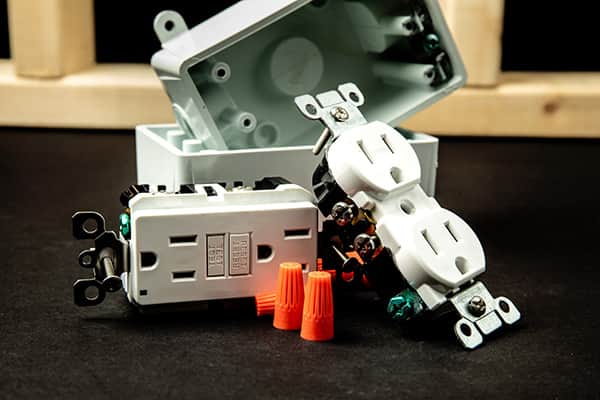
These are some updated code changes and exceptions in section 210.8(B), which covers GFCI rules for personnel, other than dwelling units.
Mar 04, 2023
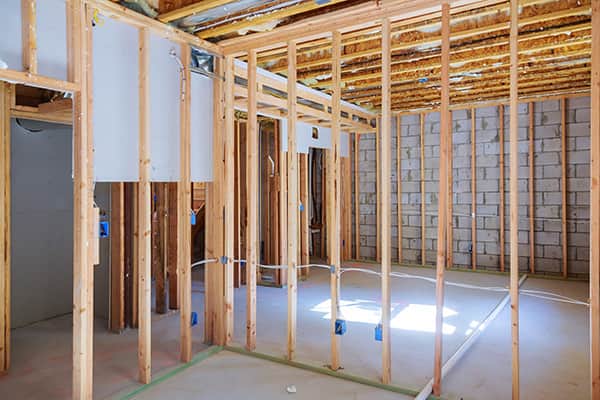
Here are some important 2023 NEC changes made to 210.8(A)(5), which covers rules for GFCI outlets in basements.
Mar 03, 2023
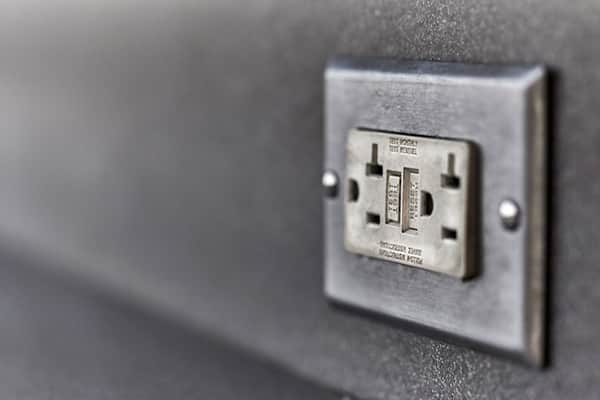
Here are the 2023 NEC changes made to Section 210.8(A)(7), which covers rules for GFCI outlets near areas with sinks.
Feb 20, 2023
The 2023 National Electrical Code is here! This article covers more changes to help soften the blow of transitioning into the 2023 code cycle.
Jan 25, 2023
The 2023 National Electrical Code (NEC) is here! This article covers NEC history, the update process, and a chapter breakdown! Stay tuned in the months ahead for more updates.

Nov 28, 2022
Here are five of the most radical changes found between the covers of the 2023 National Electrical Code (NEC)!
Oct 25, 2022
The 2023 National Electrical Code (NEC) is here! This article covers NEC history, the update process, and a chapter breakdown! Stay tuned in the months ahead for more updates.
Oct 05, 2022
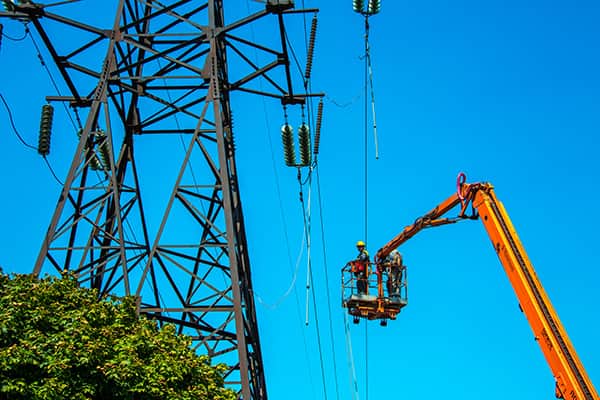
In the past, Chapter 8 of the NEC has not gotten the attention it deserves. Article 800, General Requirements for Communications Systems, sets the ground rules for the installation of specific types of systems, such as broadband communications systems.
Aug 31, 2022
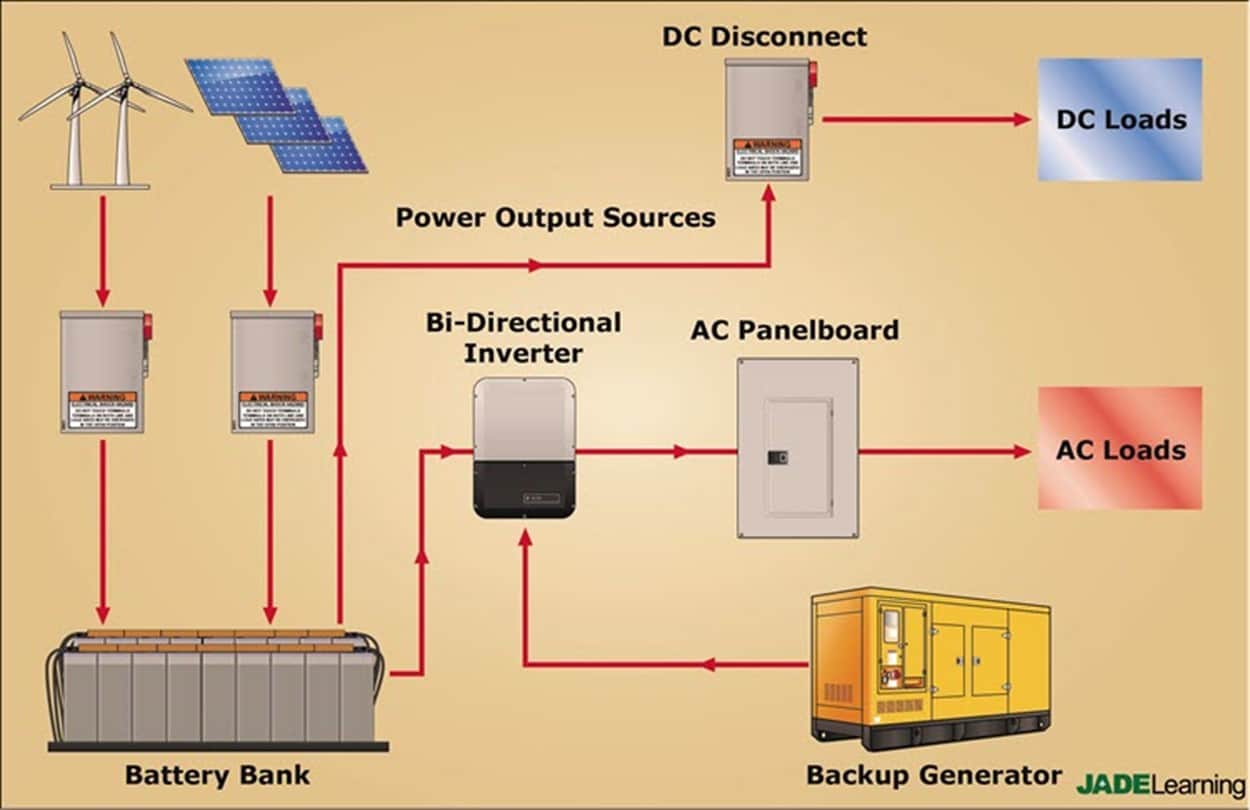
Here's how the 2020 NEC Article 712 has changed and expanded the identification requirements for microgrids and system directories.

Jul 25, 2022
Here's a look at how the 2020 NEC has changed when it comes to electric vehicle charging in residential garages, and what changes may lie ahead in 2023!
Jul 06, 2022
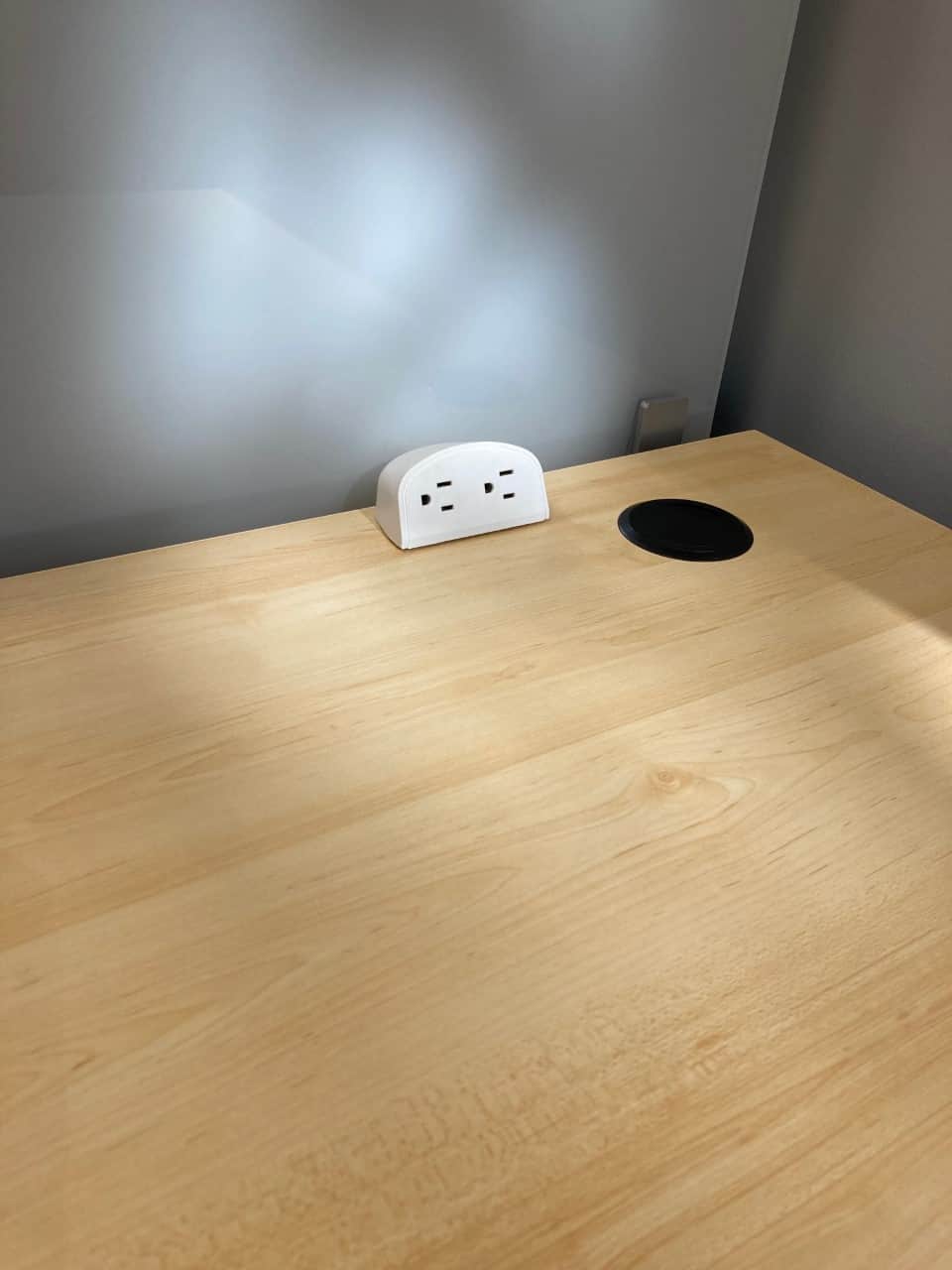
Modular office furnishings present a special set of electrical hazards and requirements. To ensure a safe and functional installation, it's vital for electrical professionals to familiarize themselves with these requirements.

Jun 04, 2022
Let’s take a closer look at Article 230 and the NEC 2020 Code changes, which covers service conductors and equipment for control and protection of services.
Jun 03, 2022
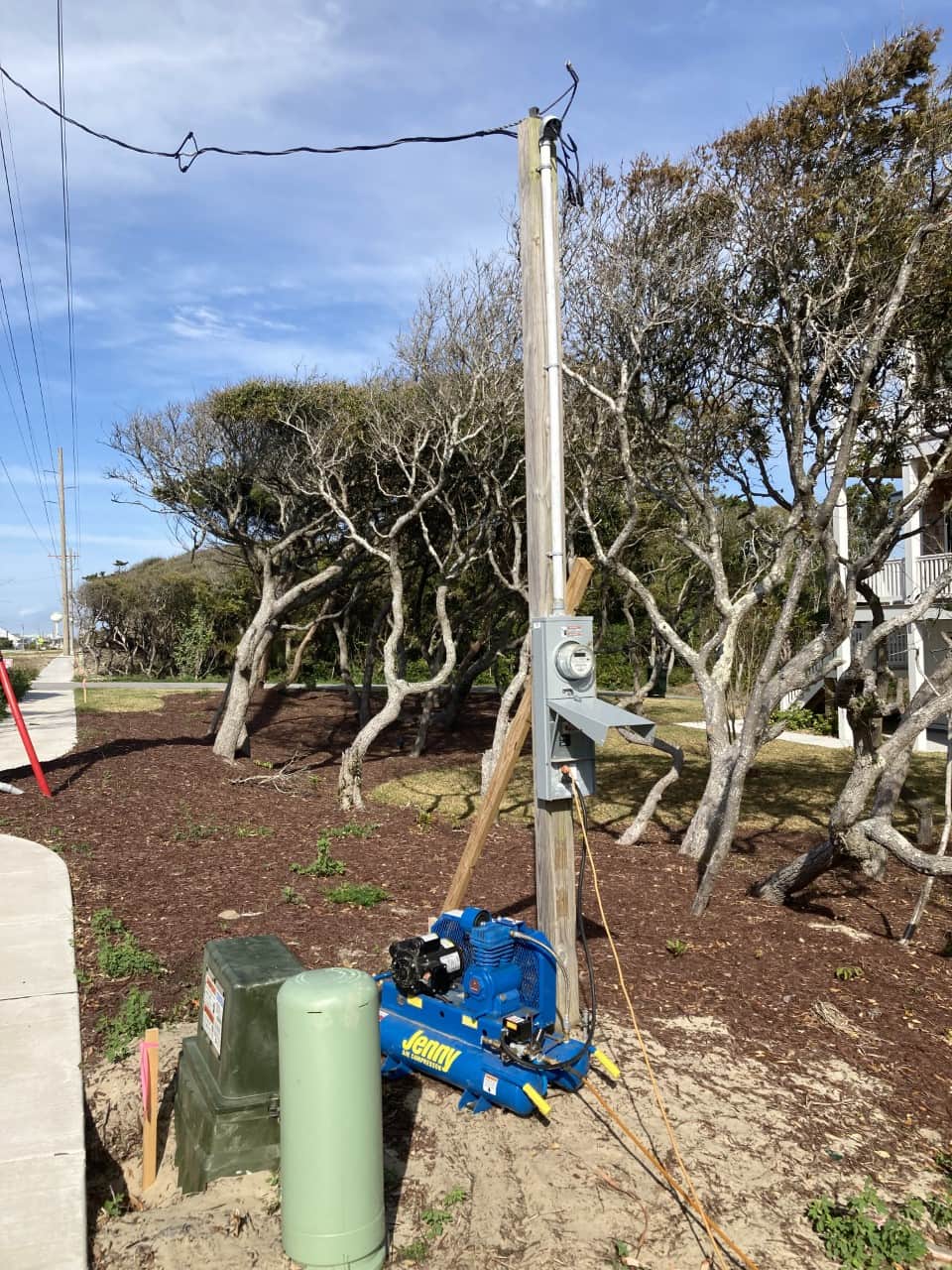
Because temporary electrical installations present a special set of hazards, they have their own Article in the NEC. Read more to learn about how to safely reinstall previously used services, parts, or components in a temporary installation.

May 05, 2022
What Changed in 2020 NEC, Article 710? Read on to learn about code changes and additions related to stand-alone power systems.
Apr 03, 2022
Where do National Electrical Code changes come from? This blog covers how changes happen as well as how to submit code changes!
Mar 03, 2022
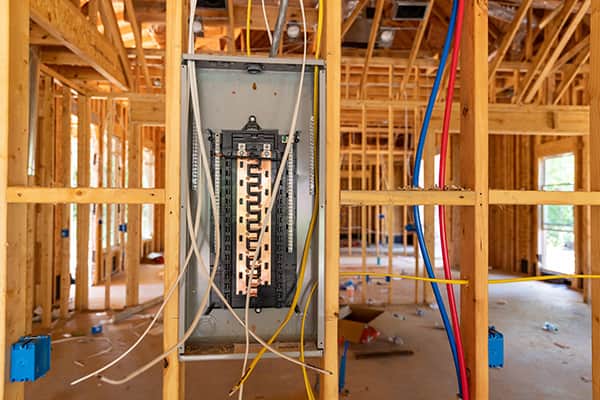
How have service equipment barrier requirements changed for the 2020 NEC? And why were the changes made in the first place? Read on to find out!

Feb 10, 2022
It is difficult to go for a drive or to a shopping center and not notice the prevalence of CBD products available, since many states have legalized or decriminalized CBD, hemp, and even marijuana for use as medicine or recreation. Regardless of how you may feel about their use, large-scale...

Jan 11, 2022
The first electrical codes were written in the late 1800’s by various associations, including the New York Board of Fire Underwriters and the National Board of Fire Underwriters. Eventually, the National Fire Protection Agency was established and National Electrical Code was born. Have you ever thought about who writes the...

Jan 11, 2022
Get 4 hours of electrical continuing education for Iowa - Join us from the comfort of your own home for a continuing education webinar covering 2020 NEC Changes.

Jan 05, 2022
Electrical professionals understand that the purpose of the Code is the practical safeguarding of persons and property from hazards arising from the use of electricity. The average homeowner knows that electricity is dangerous and stays away from bare wires. But does the average homeowner know that their lighting fixture could...

Dec 06, 2021
Electric vehicles are likely here to stay, but they are a rapidly evolving technology. Lighter lithium-ion type batteries have made electric cars, bicycles, motorcycles, and more, a reality. The code-making panels have significantly revised Article 625 for the 2020 National Electrical Code (NEC) to regulate the safety of electric vehicle...
Nov 03, 2021
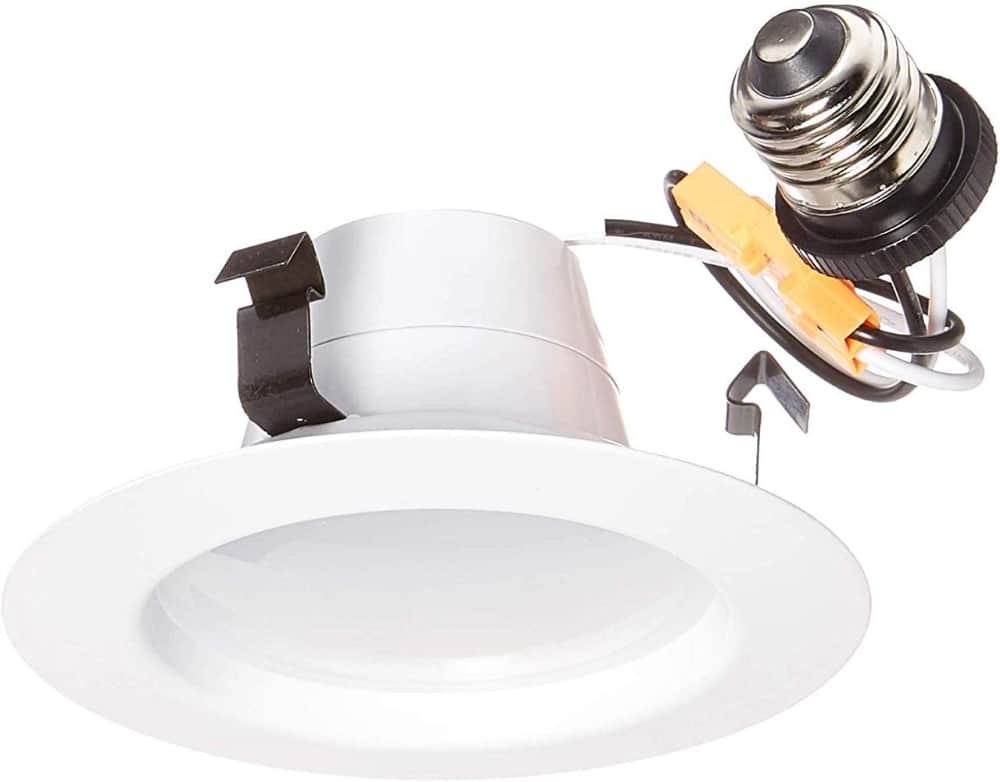
Lighting retrofit kits are immensely popular, due to the availability of high-efficiency lighting options that can reduce power consumption quite drastically. The 2020 edition of the National Electrical Code (NEC) has added a new Section to help us deal with these kits, Section 600.35. What are the important things for...

Jun 02, 2021
Electrical contractors come in a wide variety of sizes. Top electrical contractors employ thousands of people and gross hundreds of millions of dollars. Electrical safety is the number one priority, whether you are a large electrical contractor or a six-man shop. Or, is it? Does a two-million-dollar contractor have the same budget and resources as say, a twenty-million-dollar contractor? There are vast differences in electrical safety procedures based on company sizes. Remember, safety starts with you! Whether your employer is big or small, you need to be proactive about safety. Here are some tips on how to stay safe.
Jun 02, 2021
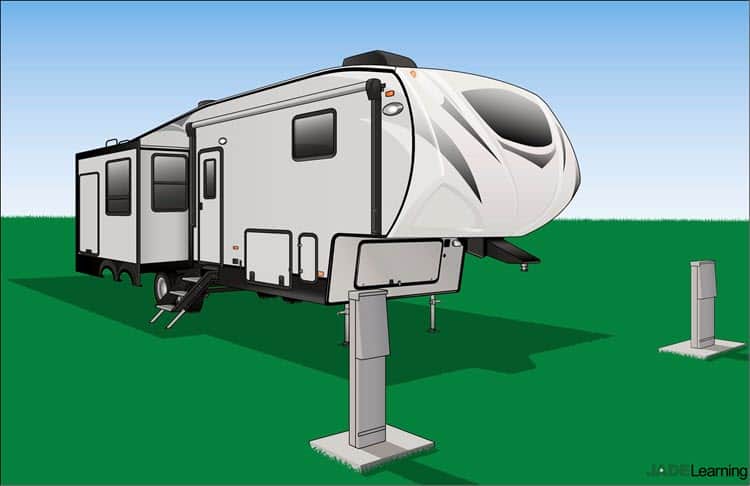
We are going to examine a TIA issued for the 2020 NEC regarding GFCI protection for recreational vehicle (RV) parks, covered in Article 551 of the NEC. The popularity of RVs continues to increase, especially during the pandemic. We also know that GFCI protection continues to be expanded with each successive code cycle. This TIA was published to clarify where protection is required in an RV park. Read more from our blog!
Jun 02, 2021
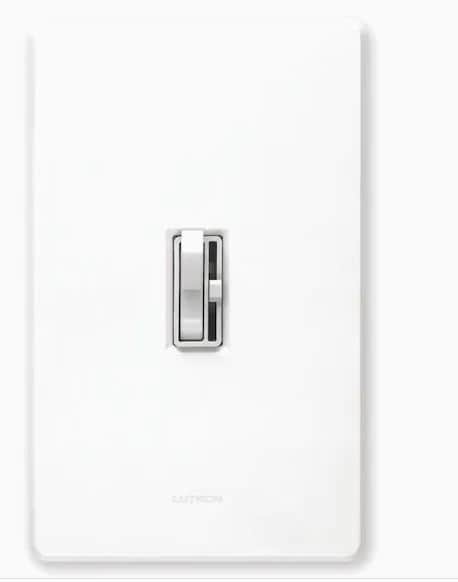
To reduce power consumption and keep the electric bill in check, many people install lighting dimmers. Let’s look into the difference in savings using dimmers in the past versus using dimmers today and then decide if they are still a money saver. Read more from our blog!
Jun 02, 2021
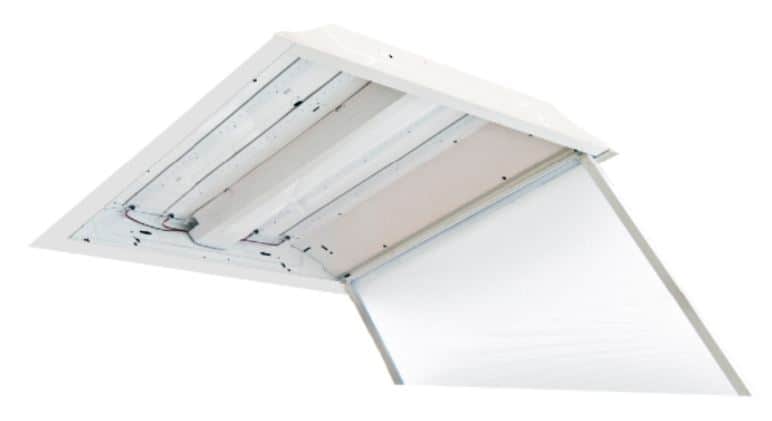
Provisions and requirements for the reconditioning of equipment have been added to multiple sections of the 2020 NEC. Panelboards, switchboards, and circuit breakers, to name a few, can be reconditioned according to specific Code requirements. Read more about the definition for reconditioned has also been added to Article 100 from our blog!
Jun 02, 2021
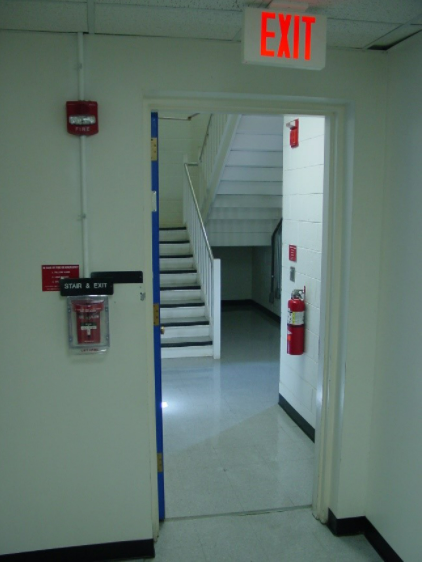
NEC section 300.25, General Requirements for Wiring Methods and Materials is new for the 2020 Code cycle. This section regulates wiring located in Vertical Exit Enclosures, also known as stair towers. The new 2020 NEC section restricts the installation of any wiring method within an exit enclosure separated from the building by fire-resistant construction, except for that wiring belonging to equipment in the exit enclosure. Prevent costly design and installation errors—read more from our blog!
Jun 02, 2021
Your many years of field experience and your dedication to exam preparation have enabled you to pass your test. Your dream of financial freedom by owning your own electrical business is about to get started. Now what options do you have?
Jun 02, 2021
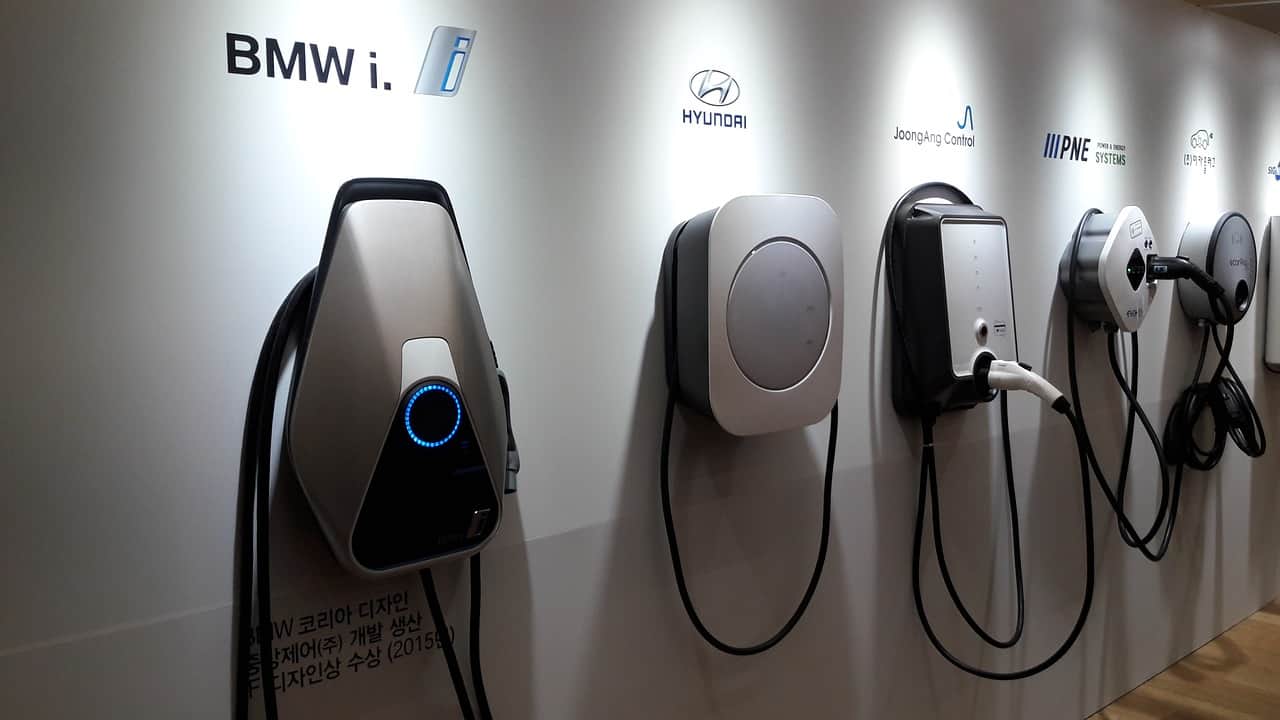
The popularity of electric vehicles continues to increase. How can the National Electrical Code have jurisdictional authority over the outlets in a car? What constitutes an electric vehicle, and are hybrids like Toyota’s popular Prius included? Finally, what are the specific requirements? Read more from our blog!
Jun 02, 2021
Article 250 is arguably the most important article in NEC 70, and much of its content is devoted to the proper sizing and installation of equipment grounding conductors. First, let us consider the purpose of an equipment grounding conductor (EGC). We know that EGC’s provide a low impedance path from the equipment to the overcurrent protective device (or ground detector for high-impedance grounded systems) so that a fault condition can be quickly cleared. Hence, EGC’s are a critically important safeguard to persons and equipment.
May 05, 2021
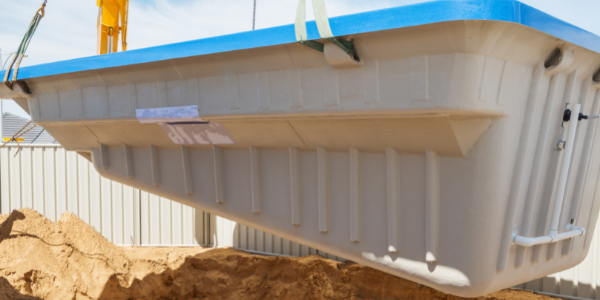
The average consumer does not understand the potential dangers related to electricity and pools, so they rely on you, the electrical professional, to do it right. There have been 98 verifiable water deaths from electricity since 1986, but that is likely just the tip of a very large iceberg. A small amount of current can cause muscular paralysis and drowning. We have put together a basic checklist for electrical safety-related to pools. This list is not exhaustive. We will focus our attention on three important areas: grounding and equipotential bonding, GFCI protection, and corrosive environments.

May 05, 2021
By the time the company makes it to the job site, considerable time and money have already been spent on the project. The electrical foreman has many responsibilities and can single-handedly be the cause of a failed project. The foreman needs to be the National Electrical Code guru, assistant to the Project Manager, Human Resources liaison, team coach, and much more. Like other positions in the field, the electrical foreman needs continuous training to keep on top of the game. Here are four easy steps for managing an electrical job site.
Apr 13, 2021
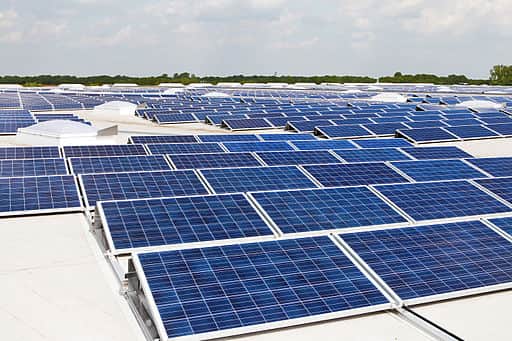
Licensed electricians will be in high demand! It will take licensed electricians to pull the electrical permits and to install all of the solar PV systems.
Apr 06, 2021
The future of the electrical trade is solar PV technology, and the future is upon us.
Mar 31, 2021
One solution to our industry’s dilemma is Solar Photovoltaic (PV) Installations performed by licensed electricians.
Mar 25, 2021
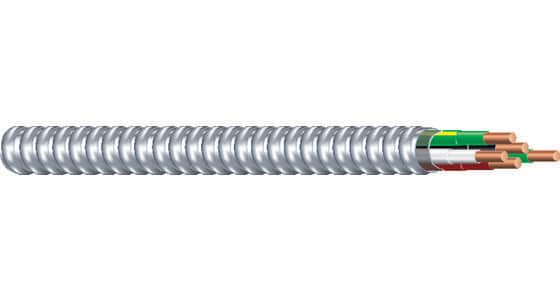
Metal-Clad (MC) Cable is used every day in the electrical industry. The true conduit benders hate it. The value engineering people love it. MC Cable is really a great product, has a wide variety of uses, and can be installed to look good. Let’s take a closer look at this industry workhorse: Metal-Clad Cable. MC Cable Definition MC Cable, by most common definition, is a factory assembly of one or more insulated circuit conductors enclosed in an armor of interlocking metal tape or a smooth or corrugated metal sheath. The smaller cables should be unsheathed by using an armored cutter like the famous “Roto-Split”. The fittings must be listed and identified for use. If the manufacturer provides anti-short bushings, they can be used. The bushings are not an NEC requirement since the listed MC connectors provide the conductor protection from sharp edges.

Mar 25, 2021
Have you ever compared your NFPA 70 book with a colleague and found that there were differences, though both books were the same edition of the NEC? We know that we receive a new edition of the NEC every three years, but how does the Code change between cycles?
Mar 02, 2021
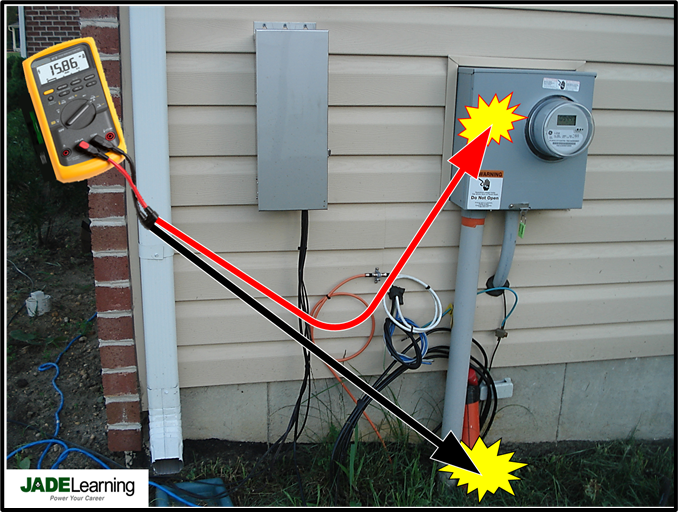
If you turn to Section 250.122 in your NEC, you find information that has assisted electricians sizing equipment grounding conductors (EGC) for longer than most electricians have even been twisting wire. If you were on the job in 1968, you would have turned to Table 250.95 in your NEC for this information instead of Table 250.122, but the information was essentially the same. In 1968 you also would have found that an ungrounded (hot) branch circuit conductor protected by a 6000-amp overcurrent device required no less than a 1200 kcmil aluminum equipment grounding conductor... assuming you were using an aluminum equipment grounding conductor. That information remained unchanged for 50 years. But as the saying goes, “All good things must come to an end.”

Mar 02, 2021
Underground electrical installations can save labor hours, material costs, and provide protection to the installation. Sometimes going underground is the only logical path to get service from one point to another whether new construction or remodel work. Overall, there are not many electrical projects that don’t require a little digging in the dirt at some point. Let’s dust off the National Electrical Code (NEC) and review some Code pertaining to burial depths and standard operating procedures.
Feb 01, 2021
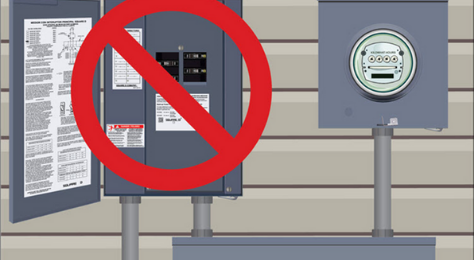
NEC Section 230.71. Six Switches or Circuit Breakers in One Enclosure. Since the 1937 edition of the NEC, the service disconnecting means used to isolate a building’s premises wiring from the utility provider’s conductors has been allowed to consist of as few as one, but as many as six switches or sets of circuit breakers. A veteran electrician would tell you that requirement (or permission, depending on your perspective) means six throws of the hand can be used to control all power on the property. Our veteran electrician is correct - if there is one electrical service on the property.
Feb 01, 2021
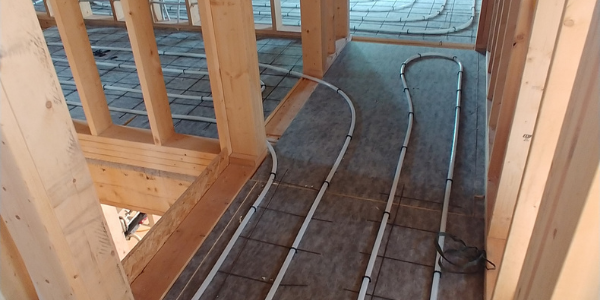
Under Floor Electric Cable and Cable Mat Systems are a great way to warm or even heat a space. These systems can be a supplemental or even a main source of heat in a variety of rooms. The systems can be installed under many types of floors such as tile, wood, concrete, vinyl, and even carpet. The manufacturers offer a variety or pre-engineered packaged units and even piece-by-piece options. The manufacturer’s step-by-step installation instructions must be used to install the heating cables, mats, spacers, thermostats, and other associated equipment. The instructions will also point us in the right direction as far as the branch circuit size but will most likely not give all of the needed information.
Jan 06, 2021
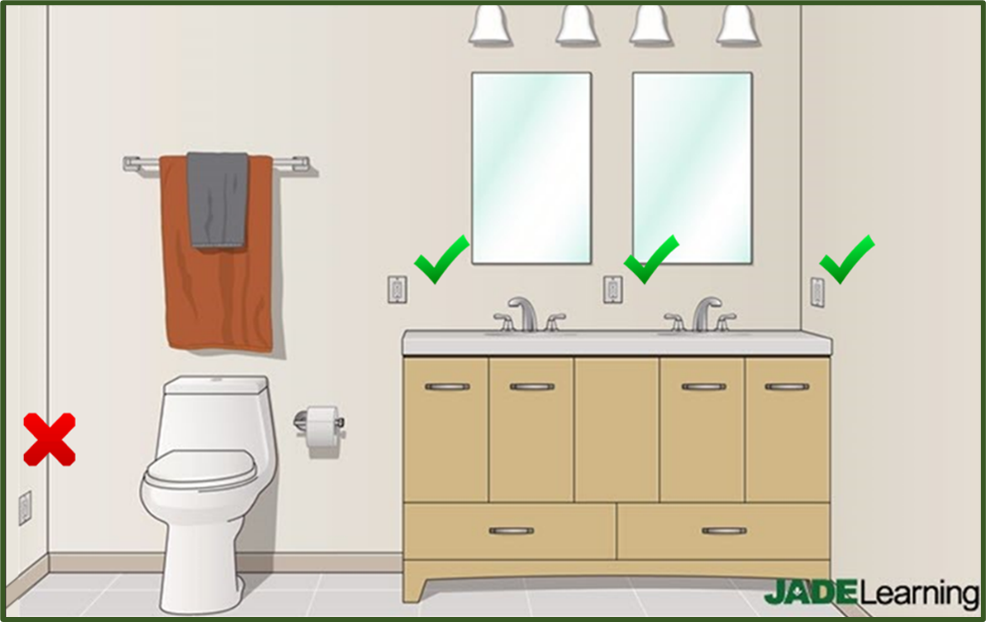
Bathroom branch circuit requirements have changed for the 2020 Code cycle. The one 20-amp branch circuit traditionally required by NEC Section 210.11(C)(3) to feed only receptacles in dwelling unit bathroom(s) is now restricted to feeding only countertop receptacles in those same bathroom(s). The receptacles permitted on this newly defined branch circuit include any countertop receptacles required to be within 3 feet of the bathroom’s sink basin and any other receptacle(s) installed to serve countertops or similar work surfaces in these bathroom(s).
Jan 06, 2021
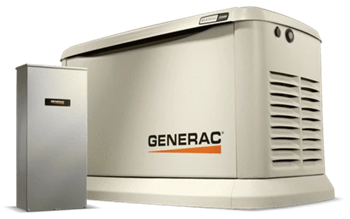
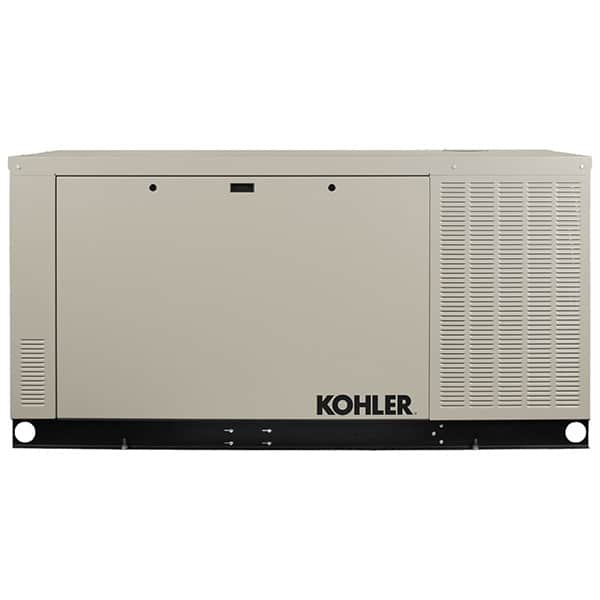
The need for a residential backup generator can vary in different areas of the country. The generator size and installation technique can also vary depending on your level of needed convenience and budget. Let’s take a look at a few different generator installation packages so you can decide what could be the best option for you and your family.
Dec 02, 2020
Chapter 7 of the 2020 National Electrical Code (NEC), also known as NFPA 70, covers special conditions and their specific requirements. These requirements modify the general requirements found in Chapters 1-4. Article 700 covers emergency systems, such as hospitals or similar settings where a power outage would put lives in jeopardy. Article 701 covers legally required standby systems and Article 702 covers optional standby systems.
Dec 02, 2020
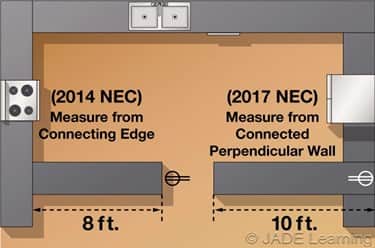
The 2020 National Electrical Code (NEC) has ushered in a brand-new method for determining the number of receptacle outlets required to serve island countertops; peninsular countertops; and work surfaces located in kitchens, pantries, breakfast rooms, dining rooms, and similar areas of a dwelling unit.
Nov 03, 2020
If you are an electrical contractor that has ever wired a room addition, you will likely be familiar with this process. Before ever attempting to provide an estimate, you must first determine how to get power from the home’s existing breaker panel to the new lighting and receptacle outlets in the addition. Bidding the individual outlets for the new addition is relatively easy, but bidding power to feed them can take some investigation and imagination.

Oct 30, 2020
The electrical service change is a very common electrical service job. Your standard residential service electrician could complete one on any given day, and it would be an easy task for him. For the rest of the electricians out there, a quick refresher may be needed before diving into an electrical service change. Let’s review some typical service change details and procedures using the 2017 National Electrical Code (NEC).

Oct 05, 2020
The 2020 Code Making Panel (CMP) has revised the 2017 NEC rules regarding receptacles serving dwelling unit balconies, decks, and porches - specifically, the requirement that an accessible outdoor receptacle must be installed to serve attached balconies, decks, and porches. The revised Code now requires that a receptacle be installed to serve the balcony, deck, or porch when the balcony, deck, or porch is within 4 inches of the dwelling unit. If the balcony, deck, or porch is within 4 inches of the dwelling, the 2020 NEC considers that close enough so that it now requires a general use 120-volt receptacle.
Sep 09, 2020
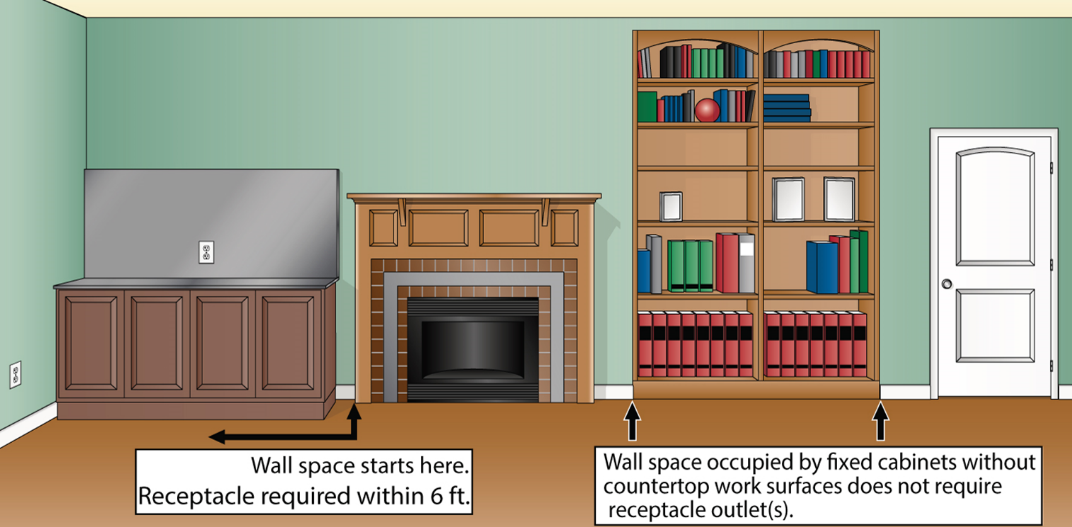
We are all familiar with the NEC requirement to place receptacles within the first 24 inches of a kitchen countertop edge, and then locate them every 48 inches thereafter. But did you know that fixed countertops in rooms such as dens, libraries, living rooms, bedrooms and the like now have receptacle requirements, and they are different from the requirements found in 210.52(C) that apply to kitchens?
Aug 05, 2020
If you ask a seasoned electrician how many No. 12 AWG conductors will fit into a 3/4" EMT conduit system, you may get a response such as “one more!” While this is amusing (and typically true), there are precautions that must be taken according to the NEC whenever conductors are bundled together in a raceway, cable, or even in a ditch in the earth.

Jul 18, 2020
JADE Learning is offering an 11-Hour Renewal Package for Florida Electrical Contractors. The courses are online and meet the requirements for the August 31st, 2020 renewal deadline. All licensed electrical contractors in Florida are required to complete 11 hours of continuing education to renew a Florida electrical contractor license.
Jun 30, 2020
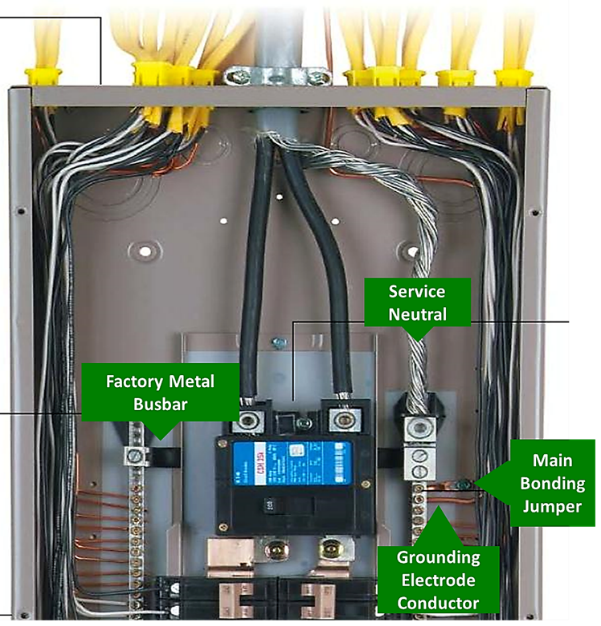
In this 2020 Code cycle a new Informational Note now accompanies the term Grounded Conductor where it is defined in Article 100. The Note has been added to help electricians identify functional differences between Grounded and Grounding Conductors. In defense of all who have struggled with these terms in the past, both grounded conductors and grounding conductors are in fact grounded. They just have different jobs.
Jun 03, 2020
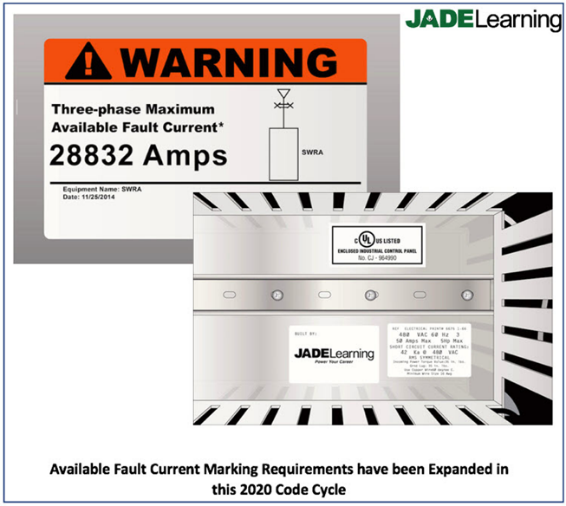
Section 408.6: A Brand-New Addition to the 2020 NEC. NEC section 408.6 states: Switchboards, Switchgear, and Panelboards shall have a short-circuit current rating (SCCR) not less than the available fault current. In other than one- and two-family dwelling units, the available fault current and the date the calculation was performed shall be field marked on the enclosure at the point of supply. The marking shall comply with 110.21(B)(3). Making NEC 408.6 Simple This new Code Section simply means that electrical panels including main-breaker and main-lug type panels and switchboards & switchgear equipment must be rated (in amps) to withstand the high levels of current that will flow should a short-to-ground or other fault occur at the equipment. In ALL locations other than dwelling units, that anticipated fault current must be marked on the equipment enclosure near where the supply conductors enter in, along with the date that the calculation producing that number was performed. The new Code Section also says the markings on the equipment must comply with 110.21(B)(3). Section 110.21(B)(3) tells us that markings must be sufficiently durable to withstand the environment.
May 06, 2020
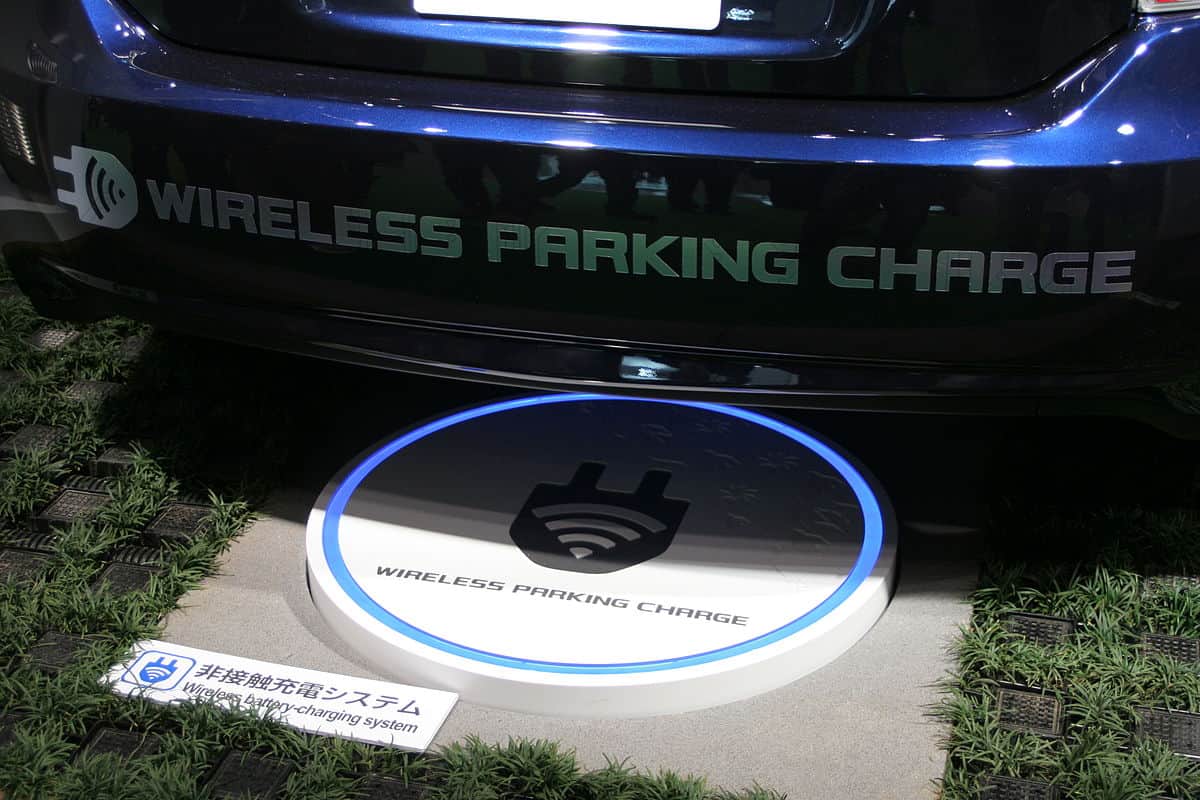
Electric vehicle (EV) charging is not new, as Article 625 was introduced to the National Electrical Code with the 1996 edition. The following year, the Toyota Prius became the first mass-produced (hybrid) electric vehicle. More followed, including Tesla, Nissan, and Chevrolet. Until recently, however, the only viable method for charging an electric or hybrid vehicle was via a direct connection to a power supply, either from premises wiring or at a charging station. For the 2017 Code cycle, both definitions and requirements have been added to Article 625 for the purpose of regulating another type of EV charging: wireless power transfer, or wireless charging. Before we examine the Code requirements, let’s answer a couple of important questions. First, how does wireless charging work? Second, how efficient is this technology?

May 05, 2020
The 2020 NEC now recognizes that GFCI protection for mobile and manufactured homes must be equal to that of stick-built and modular type dwellings. Construction Codes, in general, have always been less restrictive for mobile-type dwellings. This may be because mobile homes are often titled with the Motor Vehicle Department, and this type of housing is built, inspected, tested, and listed off-site at a manufacturing plant.

Apr 17, 2020
How Do I Sign-Up for the California Electrical Certification Exam? Once you've completed all requirements as an apprentice or through and electrical trainee program you can submit your application to have your experience reviewed by the California DIR. After submitting the application and all the required attachments you will be notified of your eligibility. You will have one year to schedule and take your exam. If you do not complete your exam within that time frame you will have to re-submit your application. It is important that you properly prep for the exam to ensure you pass on the first try.

Mar 31, 2020
Derating conductors for the environment where they are installed is an important consideration for selecting the type and size of conductor for a particular installation. When installing a system on a rooftop, special consideration must be given to the ambient temperature inside the wire way or conduit that contain the conductors to prevent heating beyond the rating of the insulation of the conductors. Conductors installed in raceways on rooftops can be subject to higher temperatures than they would be just from the heating effect of solar energy absorbed by the wall of the raceway. This effect becomes more evident when the proximity is very close to the roof or the raceway is in contact with the roof surface.

Mar 04, 2020
Transformers are used when power voltages need to be changed, or transformed, to other levels. Sometimes voltages need to be increased when sending power long distances. Other times, voltages need to be decreased for equipment that uses the power. Regardless of whether the voltages are being stepped up or stepped down, the same process of changing windings is used to transform voltages to different levels.
Feb 28, 2020
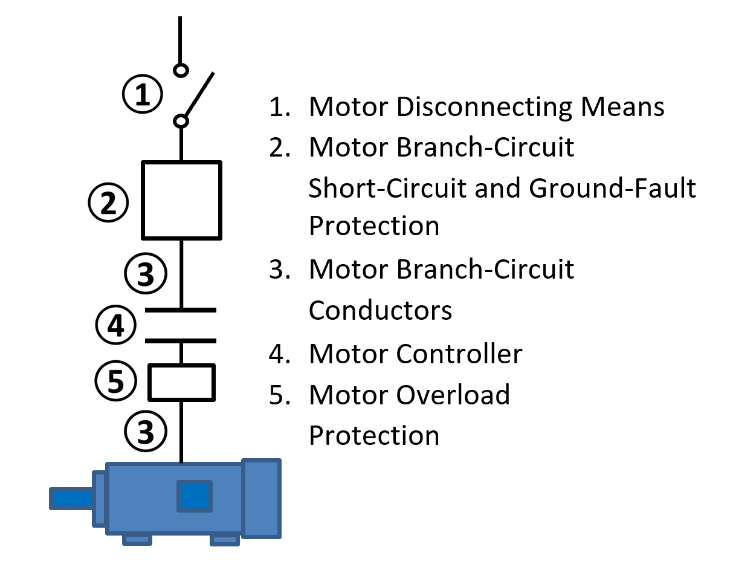
The primary intent of this discussion is to explain how overcurrent protection devices are determined for single motor branch-circuits. References will be taken from the 2020 National Electrical Code (NEC). These references will apply to general single motor applications for a continuous duty NEMA Design B energy efficient motor, unless otherwise noted.
Feb 26, 2020
The California Building Standards Commission voted to adopt the 2017 National Electrical Code (NEC). The adopted codes were published on July 1, 2019, and became effective on January 1, 2020. With the adoption of the new code, there are now new requirements for the California Electrical Certification Continuing Education and California Electrical Certification Exam.
Feb 04, 2020
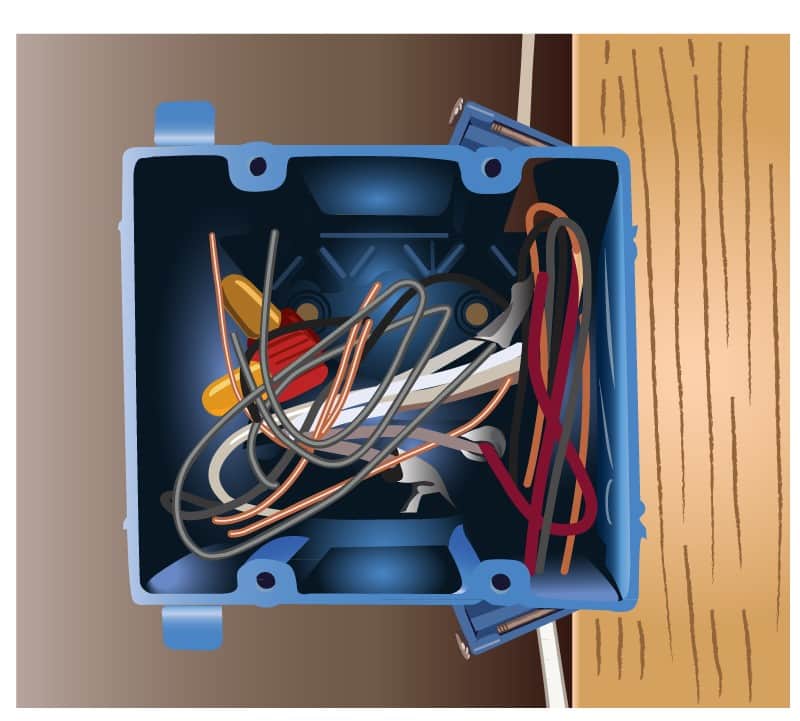
Can you do a box fill calculation at the jobsite? This is an important skill for installers and inspectors alike, since a box that is overfilled can cause a fault, arcing, or even a fire. But how do we determine if a box is overfilled in a real-world situation?

Feb 04, 2020
Recently while working as an electrical foreman I was able to pass fifty – yes, fifty!- electrical inspections in a row. I was a rock star to my crew, the GC and my employer. The crew respected me. I was keeping the project schedule on track. I was saving the company money in permitting fees and labor. I didn’t have to work an enormous amount of overtime, and I didn’t have to bring in bags of unmarked bills on inspection day. What I did is simply follow this basic procedure.

Jan 07, 2020
The 2020 Code Making Panel has introduced a new and unprecedented Code section for this 2020 Code cycle that may prove controversial once time allows this directive to play out. This new requirement found in Section 680.4 of the 2020 NEC allows the Authority Having Jurisdiction (AHJ) to return to a home or business for follow-up inspection(s) even after the swimming pool, fountain, or similar has passed final inspection, and the job is complete.
Jan 07, 2020
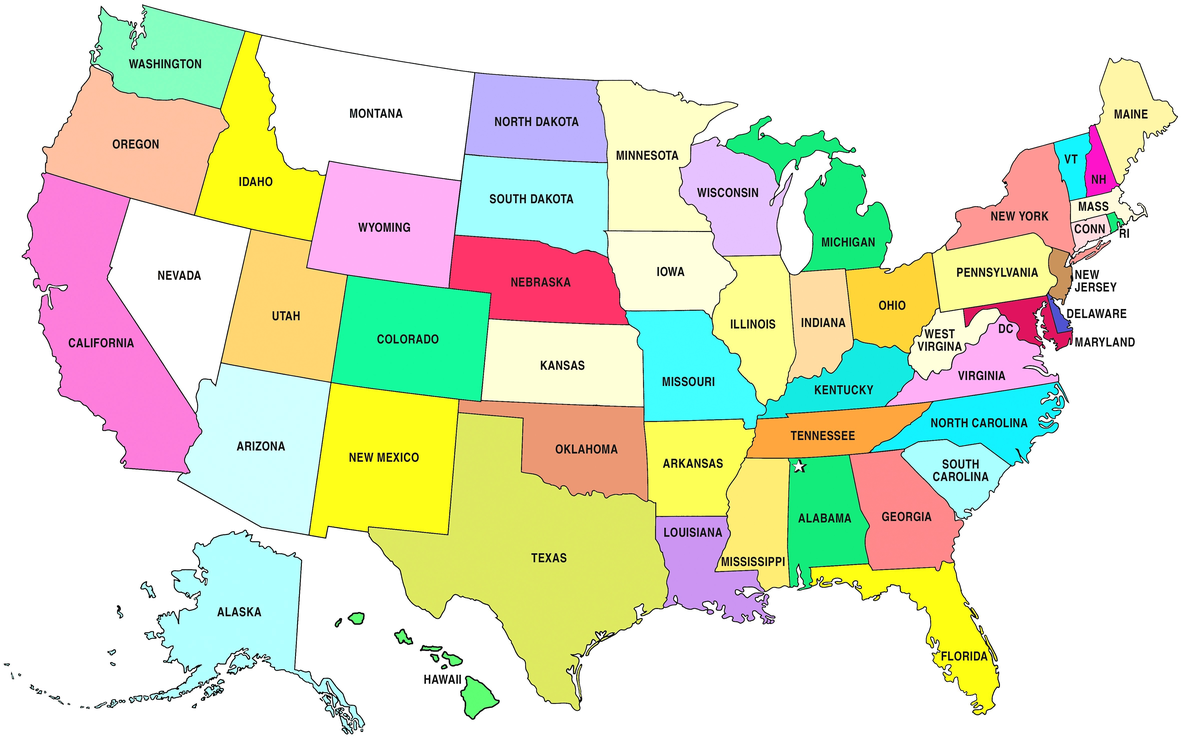
It seems like we just started using the 2017 National Electrical Code, and now the 2020 version is available. There have been significant changes, accomplished through public comment and hard work by the Code Making Panels and others. What are some of the important changes that will affect installers, electricians, and AHJ’s? We are eager to know what has been changed. Just as importantly, when can we reasonably expect that the new version of the Code will be adopted? Each state must decide when to move to the next edition of the NEC.
Dec 02, 2019
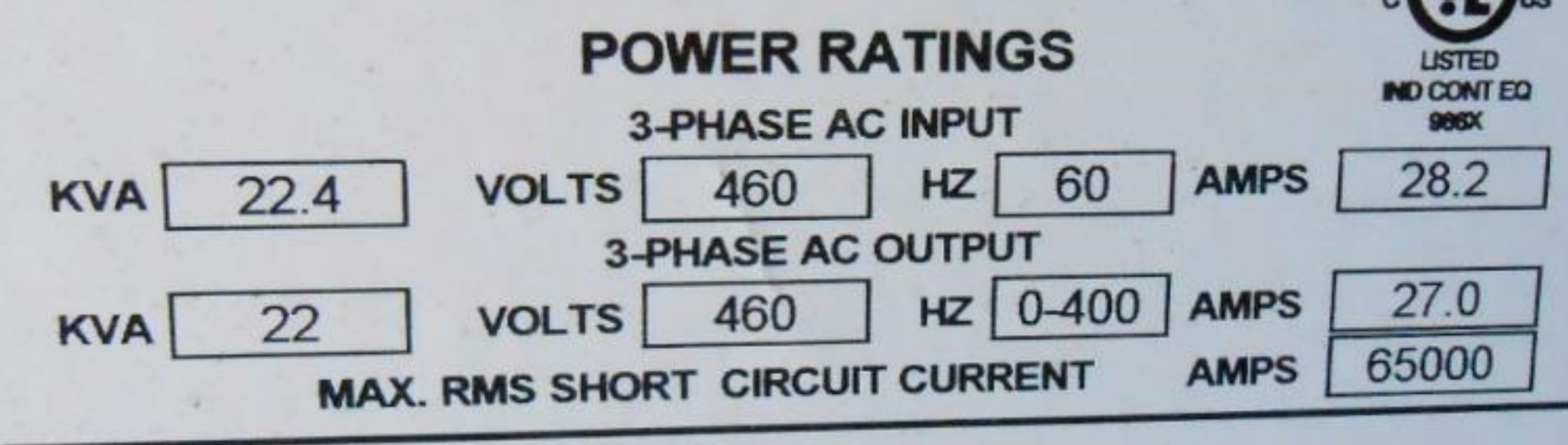
Changes to the 2020 NEC include the addition of several paragraphs in section 430.122. These changes will help the user to determine the correct ampacity for conductors used with power conversion equipment. The Adjustable Speed Drive is one type of power conversion equipment that provides a means of adjusting the speed of an electric motor, 100. A Variable Frequency Drive, VFD, is an adjustable speed drive that controls the speed, the RPM, of a motor by controlling the frequency and voltage supplied to a motor. The changes made in 430.122 Conductors – Minimum Size and Ampacity apply to Adjustable Speed Drive Systems.
Dec 02, 2019
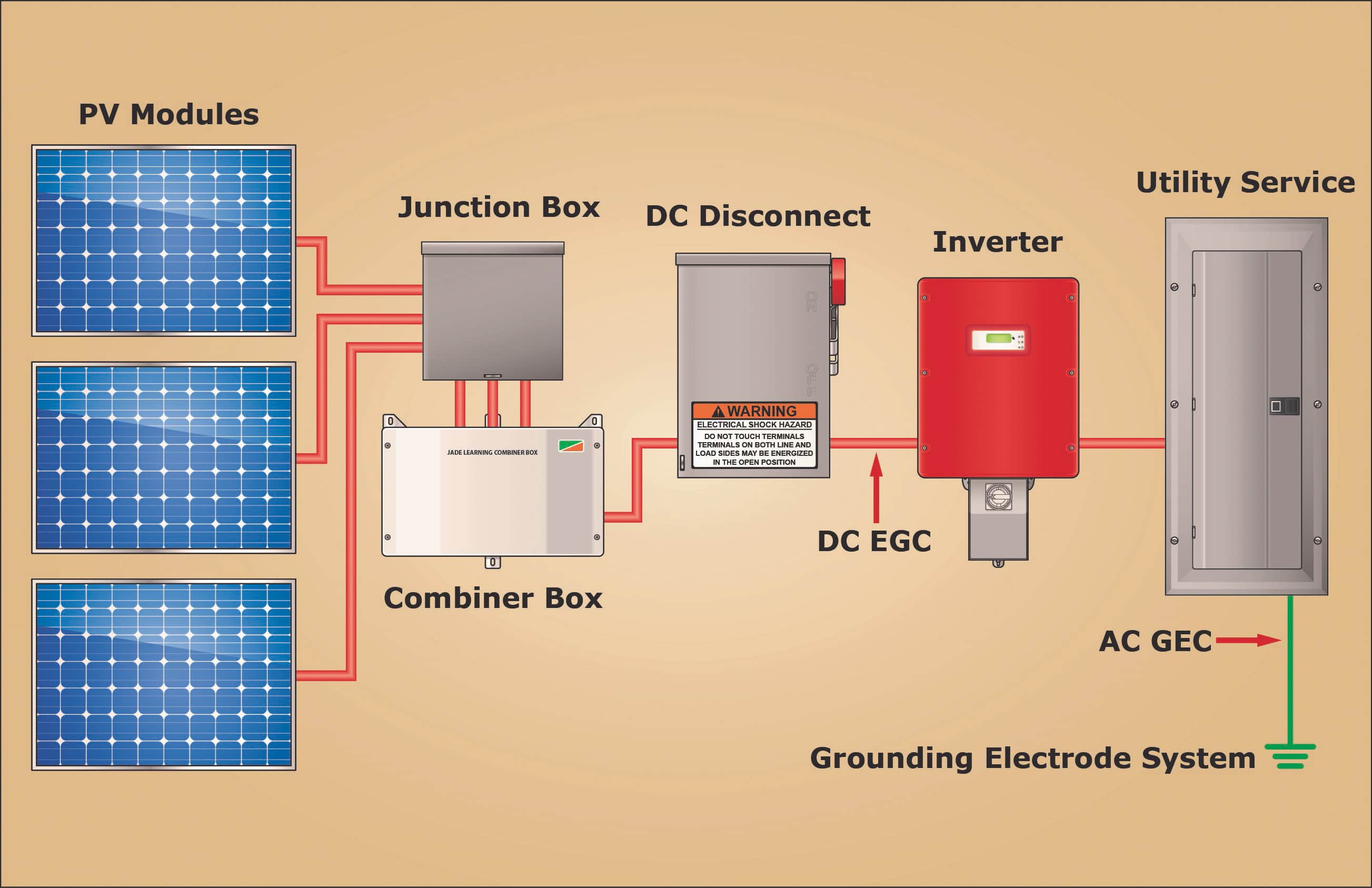
Section 250.25 is brand new for the 2020 Code cycle. It has been created to establish grounding and bonding rules for add-on disconnects, such as a PV system disconnect acting as that PV system’s service equipment, when the disconnect is attached to conductors on the supply side (meaning before the main cut-off) of the utility service disconnect. Section 230.82 provides electricians with a list of equipment/systems that can legally connect to the conductors on the supply side of an electrical system serving a home or business. The new Section 250.25 outlines grounding and bonding rules for a disconnect serving just such an add-on system.
Oct 30, 2019
There will be four new article additions to the 2020 NEC: 1. Article 242 Overvoltage Protection 2. Article 311 Medium Voltage Conductors and Cable 3. Article 337 Type P Cable 4. Article 800 General Requirements for Communications Systems
Oct 30, 2019
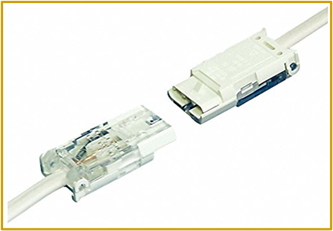
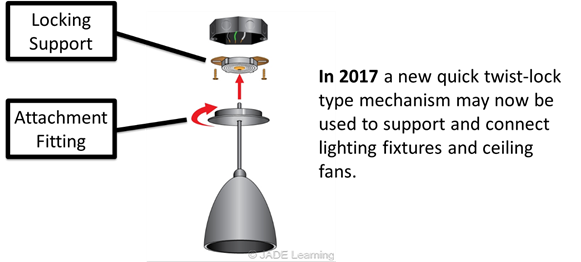
The demand for quick, easily changeable lighting fixtures has led to the development of products consisting of an electrical receptacle with a locking device capable of supporting the luminaire weight. That receptacle also makes and breaks the electrical contacts responsible for feeding the luminaire. The load-bearing portion of this new component, called the mounting support, is installed in the ceiling box and includes the energized receptacle contacts that will feed the lighting fixture or ceiling fan. An attachment fitting that connects to the mounting support and the energized contacts built into that support is incorporated into the design of the lighting fixture or fan. The fixture or fan attaches to the mounting support with a twist lock motion. These new attachment fittings can save valuable time when installing lighting outlets.
Sep 26, 2019
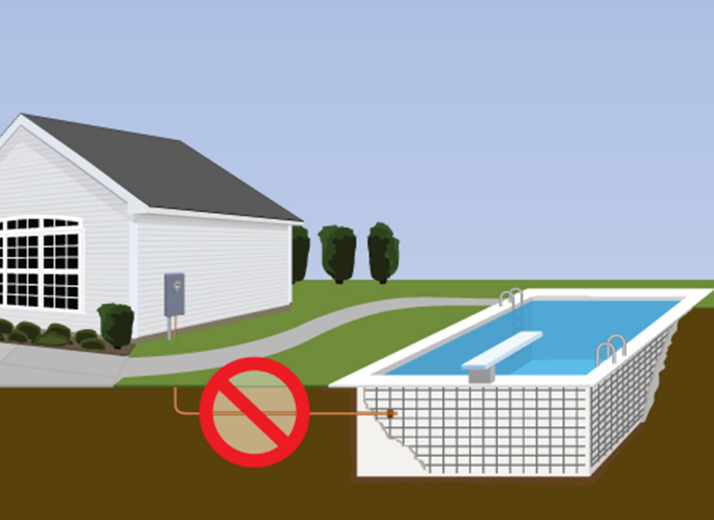
Prior to 2017, only two items were prohibited for use as grounding electrodes, underground gas piping and aluminum. For 2017, another item has been added to the list of prohibited items. For the 2017 code cycle, the structures as well as steel reinforcement materials that pertain to swimming pools have been added to the list found in 250.52(B)(3) of components that are prohibited from being used as grounding electrodes for an electrical system.
Sep 25, 2019
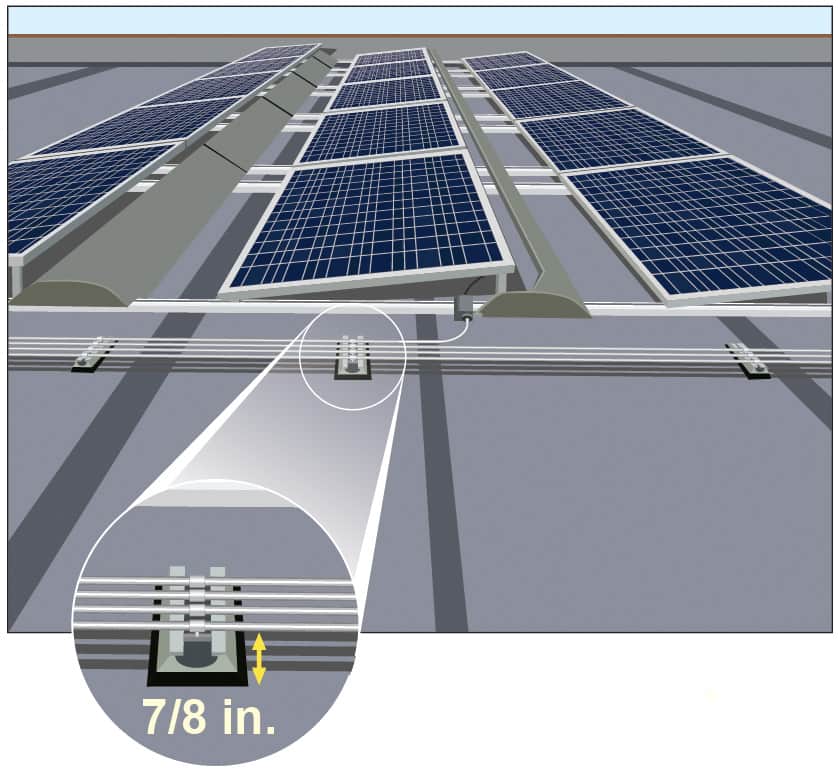
Anyone who has been on top of a roof on a hot summer day knows what it’s like to stand in the middle of an oven. Extreme temperatures from the sun can bake everything in sight, from shingles to appliances, and even electrical conductors and conduit. Conductor insulation is meant to provide long lasting protection from expected heat due to the flow of electricity and normal environmental factors. However, excessive heat from solar radiation can damage conductors and cause premature failures.
Aug 29, 2019
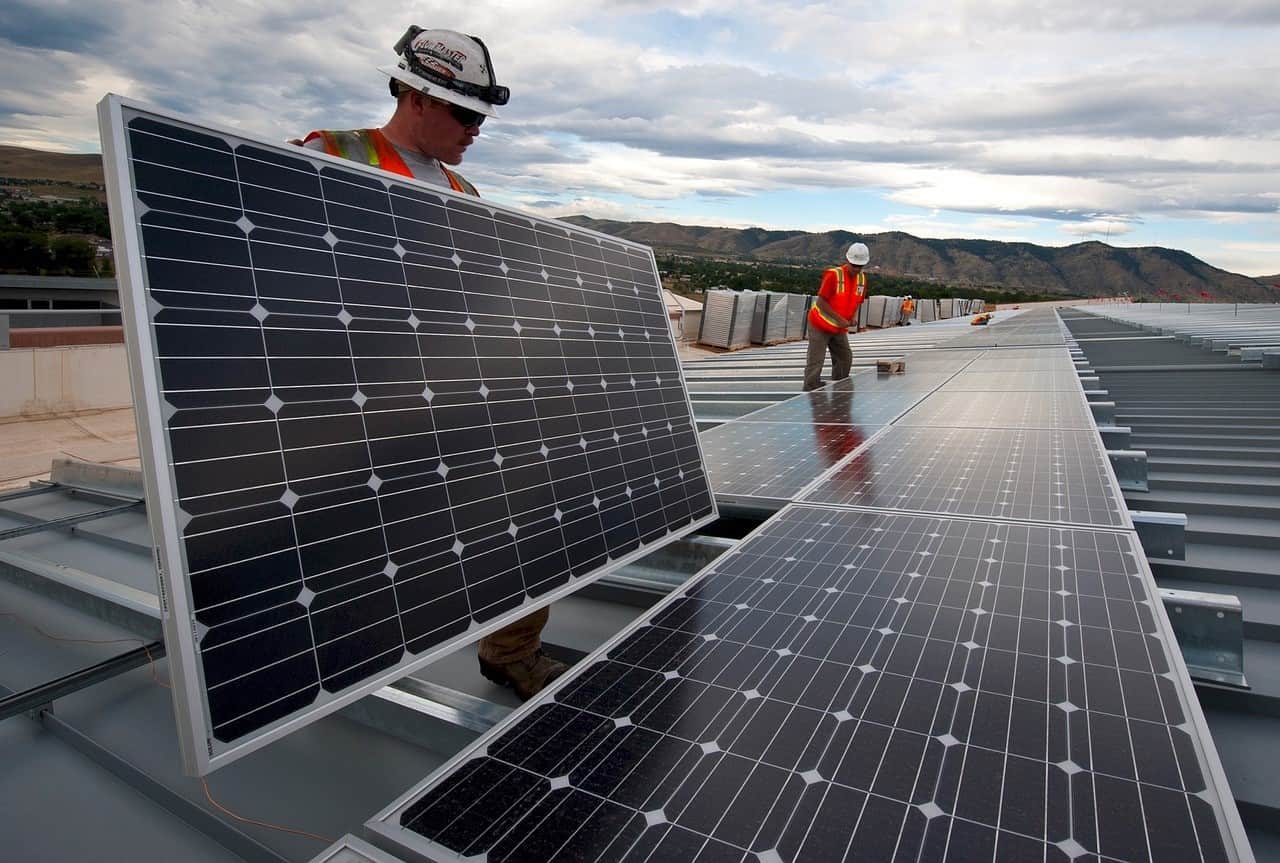
Two new terms found in Article 100, and a clarified evaluation-practice established for the 2017 NEC cycle. Electrical equipment is generally approved by a testing laboratory before being shipped by a manufacturer. However, sometimes electricians may need to install spe-cialized gear that has not yet been formally certified. When field certification is neces-sary due to a lack of a UL (or other approved laboratory) Listing, electricians are then required to contact a Field Evaluation Body (FEB) to receive an approval label. Fortunately, updates and new terms in the 2017 NFPA 70 National Electrical Code (NEC) help clarify what should be done when items need to be field labeled by a Field Evaluation Body (FEB).
Aug 29, 2019
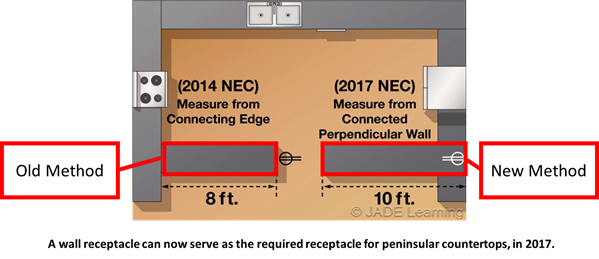
The method for measuring the countertop space for peninsulas has been changed for 2017. We know that NEC Section 210.52 requires that at least one receptacle be provided for each island or peninsula countertop that fits the dimensional requirements. The intent of the Code here is to discourage the use of extension cords. For example, countertop outlets must be spaced so that the typical two-foot extension cord can reach an outlet from any part of the countertop. Previously, the minimum distance triggering the outlet requirement was measured from the junction where the peninsula abutted the front edge of the perpendicular countertop, thus usually requiring an outlet mounted in the peninsular base cabinet. The new method of measurement begins at the wall behind the countertop.
Aug 07, 2019
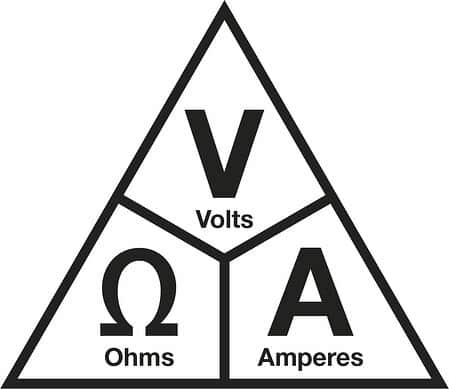
Electricity operates within predictable boundaries. We have come to identify these boundaries as Ohm’s Law. Ohm’s Law was developed as a means of explaining how electricity operates within a closed circuit. The Ohm’s Law formula helps to communicate the relationship between different properties within an electrical circuit. We can use Ohm’s Law to explain what has occurred, as well as what will occur, when certain conditions are imposed upon an electrical circuit.
Aug 07, 2019
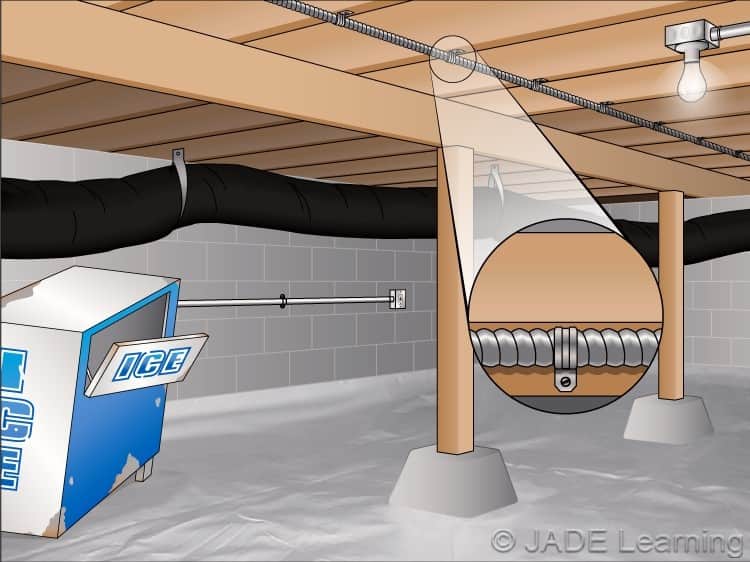
New for the 2017 code cycle is section 330.15, entitled “Metal-Clad Cable: Type MC Exposed Work.” This new Code section requires an exposed run of MC Cable to closely follow the surface to which it is mounted while enjoying a new permission that allows the MC cable to be installed on the underside of floor joists.
Jul 02, 2019
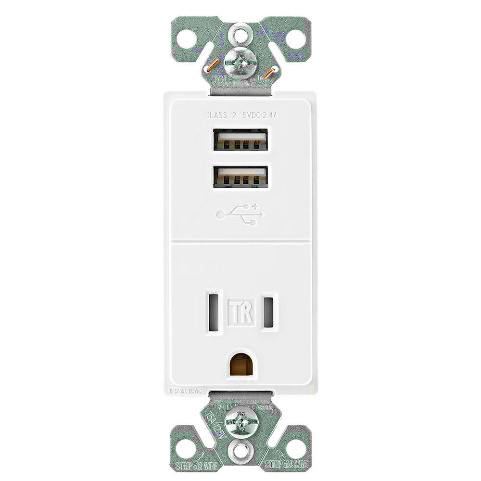
Prior to the 2017 edition of the NEC, 120-volt receptacles equipped with USB charging outlets had not been addressed by the National Electrical Code. Universal Serial Bus (USB) connections have been around since the 1990s and are widely used to charge portable devices and computer peripherals, as well as transfer data.
Jul 02, 2019
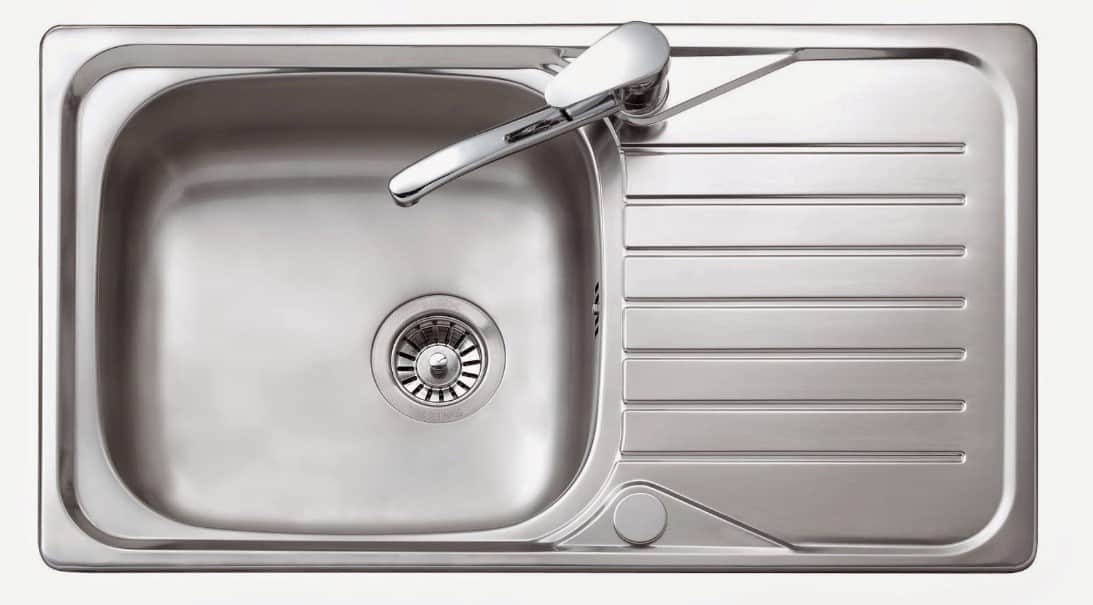
It is no surprise that Ground Fault Circuit Interrupter protection has again been expanded in the 2017 edition of the National Electrical Code. Since its inception in the 1971 edition, GFCI coverage has been expanded and tweaked with just about every code change. In this edition, coverage has been increased in several significant ways, but an important clarification has also taken place. Specifically as regards protection for 15 and 20 amp outlets near sinks, the point at which the measurement is taken as well as the method to be used to measure the 6-foot distance has been clarified.

Jun 05, 2019
Ground fault protection is not new, having been introduced in the 1971 edition of the National Electrical Code. GFCI devices have saved many lives since then by preventing shock and electrocution. As you may know, they contain a small transformer that detects current leakage from the phase to the grounded (neutral) conductor. That is why they work even in circuits that do not have a separate grounding conductor. These devices are designed to interrupt current when the leakage reaches a threshold of 4 to 6 mA, just shy of the amount of current that can cause injury to the human body.
Jun 05, 2019
The 2017 NEC now requires meeting rooms measuring 1,000 square feet or less to be equipped with 125-volt 15 or 20 ampere receptacles. This new requirement will help serve today’s trend that requires we travel with a myriad of electronic devices to meet our daily personal and business needs. This new Code-reference, 210.71 Meeting Rooms, is found in Article 210 Branch Circuits, Part III. Required Outlets, and is only applicable to meeting rooms or areas measuring 1,000 square feet or less. The qualifying room or area is to be determined by measuring wall-to-wall space, as well as space created using movable partitions.
May 09, 2019
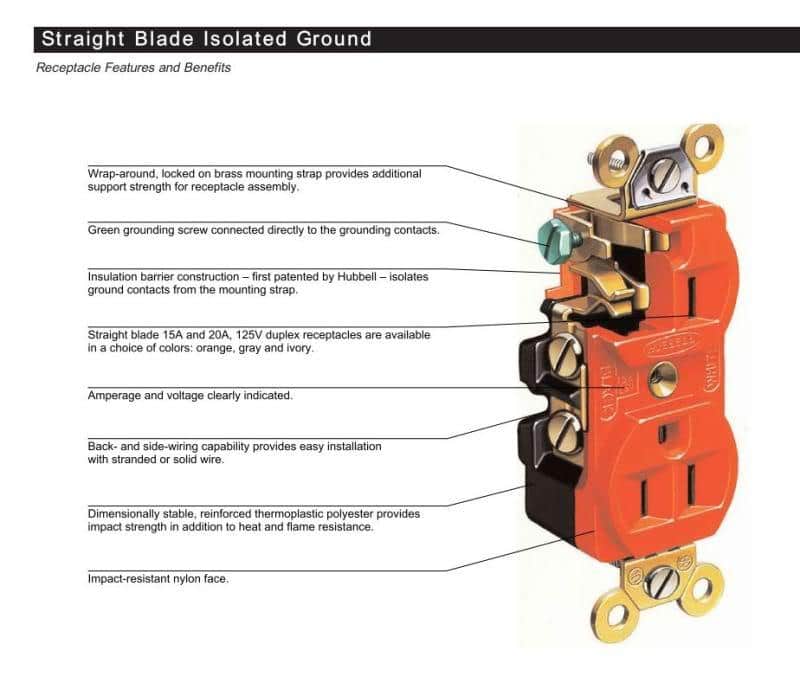
The Isolated Ground (IG) is a type of equipment ground that, in theory, reduces interference experienced by electronics and instrumentation from radio frequency (RF) noise, by connecting that equipment directly to the grounding terminal of the service equipment, without ever making contact with another metal component or grounded surface, that could potentially be serving as an antenna for airborne RF noise.
![New Rules for Spaces with Limited Access [NEC 2017 110.26(A)(4)]](/images/blog/NEC-2017-110.26A4.jpg)
May 09, 2019
The NEC has long regulated the required space around electrical equipment installations so that a worker who is going to examine, adjust, service, or maintain equipment that may be energized is not exposed to excessive danger from live (ungrounded) parts. The worker must have enough space available so as not to contact a surface that could effectively make his body a path to ground. In the past, equipment installations above a drop ceiling, such as small transformers, air handlers, VAV’s, and the like, have not been addressed, and the enforcement of Article 110.26 in these spaces has been difficult at best, as the space above a drop ceiling is often very crowded.
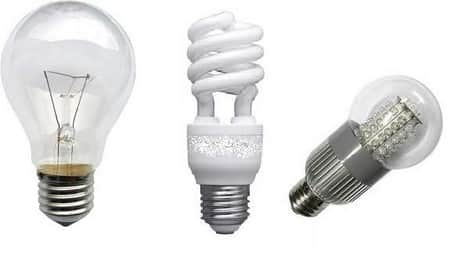
Apr 03, 2019
Have you ever wondered why light bulbs, which are referred to as LAMPS in the National Electrical Code are classified the way they are? With entire aisles in home improvement stores devoted to this humble product, the seemingly endless options can feel overwhelming. What exactly do labels such as A19, G25, and T12 mean? The system for identifying bulbs is actually simple, straightforward and consistent. Once you learn a few basics, you’ll be able to see bulbs in a whole new light!

Apr 03, 2019
210.52(C) of the 2017 NEC lays out the requirements for kitchen countertops and the receptacles that are required to serve them. The countertop space located directly behind a range, counter-mounted cooking unit (such as a cooktop), or sink may or may not be counted as part of this measurable countertop surface when determining receptacle requirements and receptacle spacing for the countertop. It all depends on the depth of countertop surface behind that component.
Mar 05, 2019
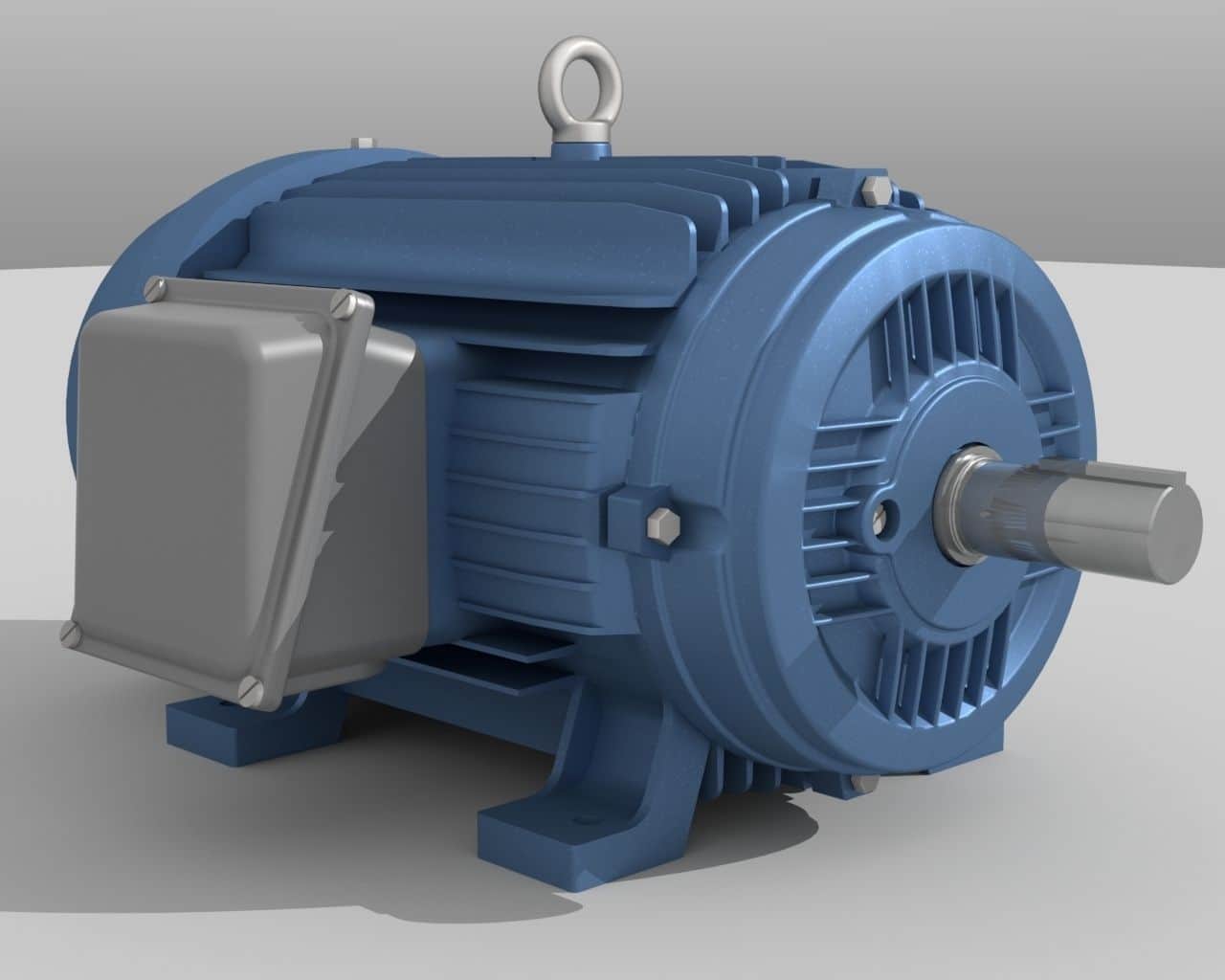
Inrush current, also referred to as “locked rotor current,” is the excessive current flow experienced within a motor and its conductors during the first few moments following the energizing (switching on) of the motor. This current draw is sometimes referred to as “locked rotor current” because the current necessary at...
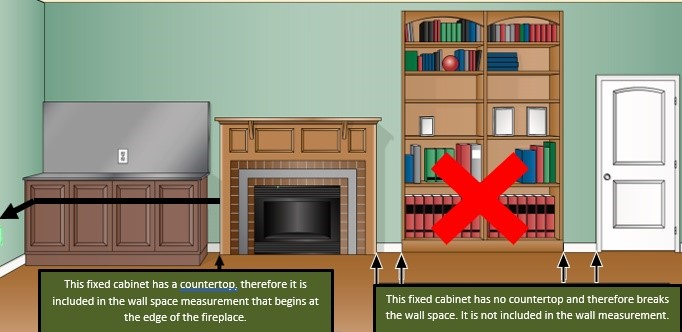
Mar 05, 2019
The NEC underwent some big changes in 2017, including the redefinition of wall space, when it comes to fixed cabinets installed along a wall space. Prior to 2017, a cabinet affixed to a wall in a bedroom, den, library, etc. simply broke that wall space into two separate wall spaces. The measurement along the wall ended once you reached the fixed cabinet, and a new measurement began at the other end of the cabinet – but not anymore!

Feb 05, 2019
For our typical AC electrical system, the purpose of the "Main Bonding Jumper" is to connectthe equipment grounding conductors (E.G.C.) contained in each branch-circuit andthe metal (conductive) service-disconnect enclosure to the Neutral Conductor of the electrical service. The reason for thisis: a driven or buried earth ground (e.g. Ground Rod)...

Feb 05, 2019
A “COMBINATION” Arc-Fault Circuit Breaker is NOT equivalent to a “DUAL-FUNCTION” Circuit Breaker. With ever changing electrical Code requirements, a circuit breaker with the ability to provide both Arc-Fault protection as well as Ground Fault (GFCI) protection was long overdue. But beware, the “combination” function that is identified on recently...
Jan 09, 2019
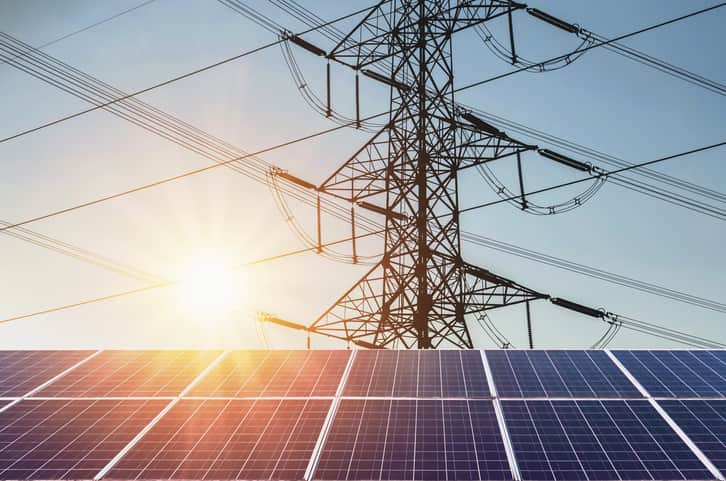
As 2019 begins, the electrical industry is in a state of change with proposed changes to the 2017 NEC. As technologies have changed so have the needs to keep electrical safety current to these changes.
Dec 10, 2018
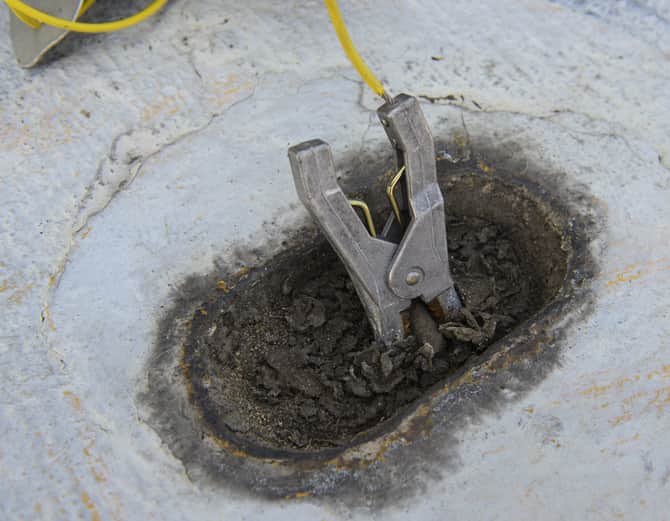
Why are you permitted to go no larger than #6 cu for the GEC attached to a driven rod or driven pipe that is being used as a grounding electrode, but you have to use Table 250.66, and all of the proposed size increases in it when using a metal water piping system in the earth, as my grounding electrode conductor?
Nov 12, 2018
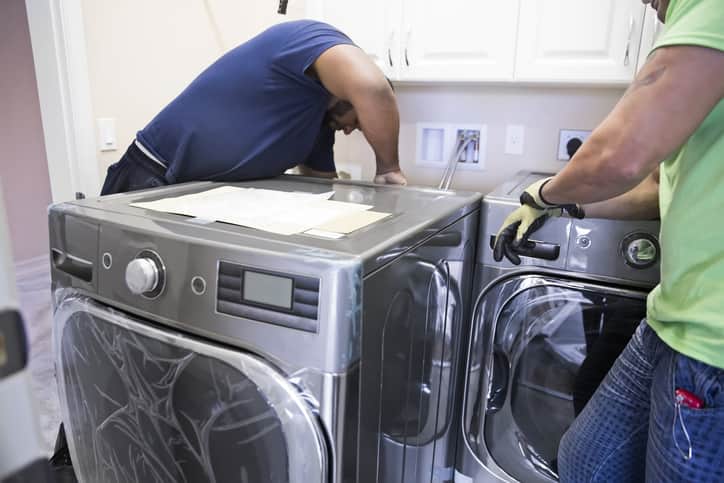
This article takes a look at the NEC 2017, Section 210.8. We'll answer questions about GFCI and AFCI protection as it relates to residential washing machines.
Nov 06, 2018
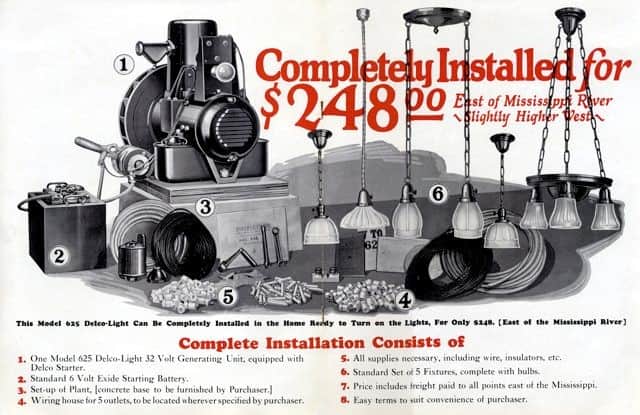
The times are changing and LVDC is here to stay. Learn some important information about LVDC- Low Voltage Direct Current.
Oct 26, 2018
Get 4 hours of electrical continuing education for Iowa - Join us from the comfort of your own home for a continuing education webinar covering 2017 NEC Changes.
Oct 24, 2018
Arc Fault Circuit Interrupters (AFCIs) are an important electrical fire prevention and safety requirement of the National Electrical Code. With the changes to the NEC in 2017 there still seems to be questions regarding the use of AFCIs. This primer will address these questions.
Oct 05, 2018
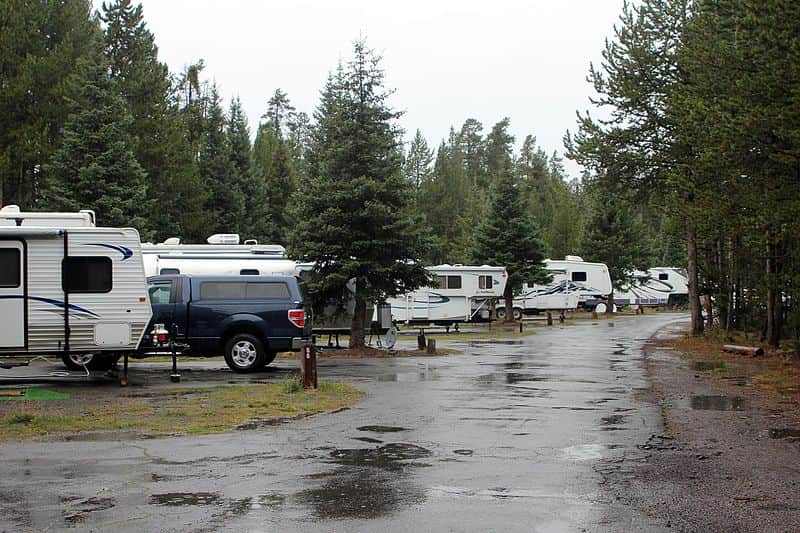
The Electrical Service supplying an entire RV park must be sized to accommodate the electrical demands of multiple modern recreational vehicles drawing power simultaneously from the individual park sites.
Sep 18, 2018
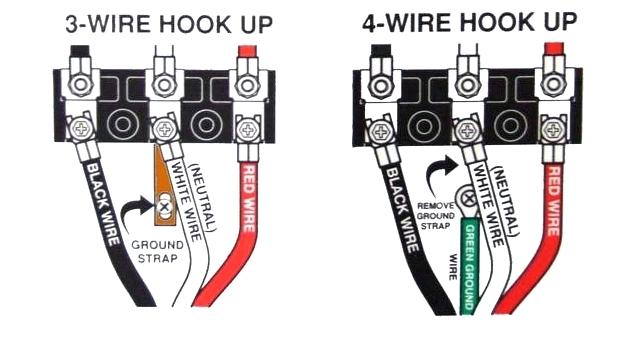
Modern clothes dryers often have a bonding strap in place that connects the metal housing of the dryer to the neutral lug of the cord attachment terminals, in case the installer is using the 3-wire cord method.
Sep 07, 2018
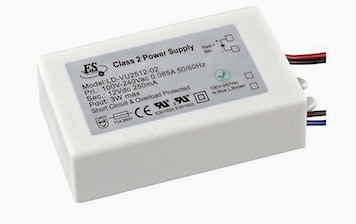
NEC Article 725 is dedicated to specialized circuitry, different from standard power and lighting circuits. The limited power and voltage of these circuits is what makes them a separate and specialized wiring method.

Aug 28, 2018
Let's take a look at what is happening on the other end of that equipment grounding conductor, and what it is that enables this conductor to effectively carry current at such a rate that it will instantaneously trip a circuit-breaker or fuse, in the event of a ground-fault. It is normal to assume that a conductor will carry current, but in the matter of fault-current it is important to know why an equipment grounding conductor is able to do its job.

Aug 14, 2018
Branch-Circuit Short-Circuit and Ground-Fault Overcurrent Protection is the final article of a four part series. The series is titled “Motor Calculations” and covers the Code and calculations for single general motor applications.
Jul 31, 2018
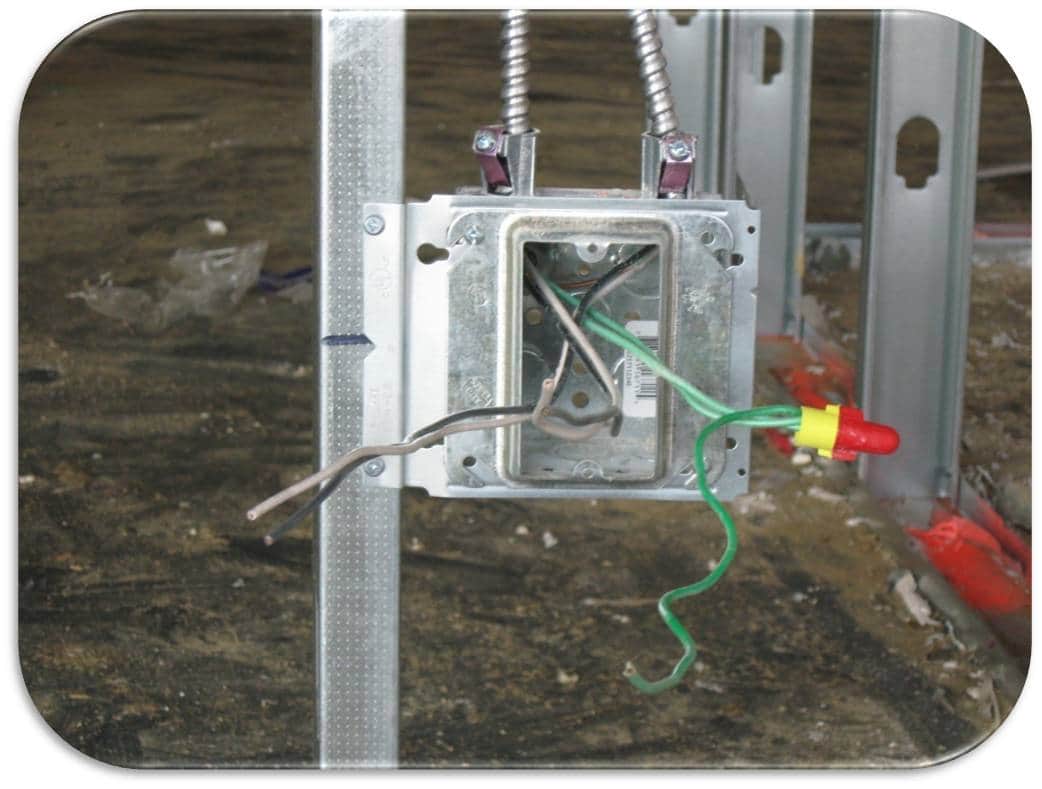
Reader question about "Grounding VS Bonding Part 1" article
Jul 17, 2018
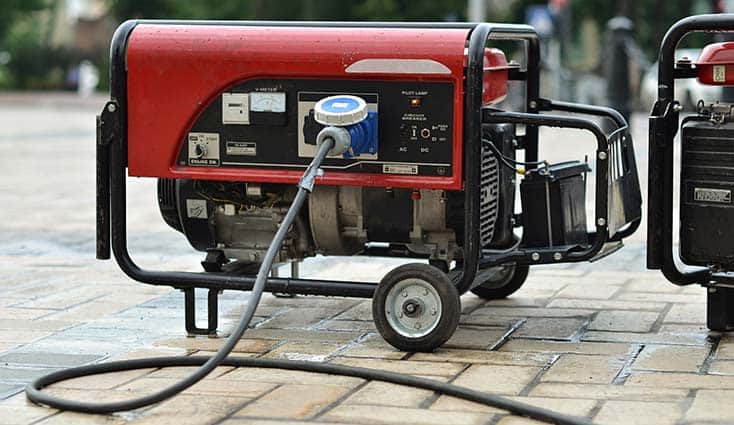
Portable generators are useful for when temporary or remote power is needed. Knowing when to ground a generator is critical for operator safety.
Jul 02, 2018
This is the third part of a series designed to help explain how to properly calculate motor circuits.
Jun 15, 2018
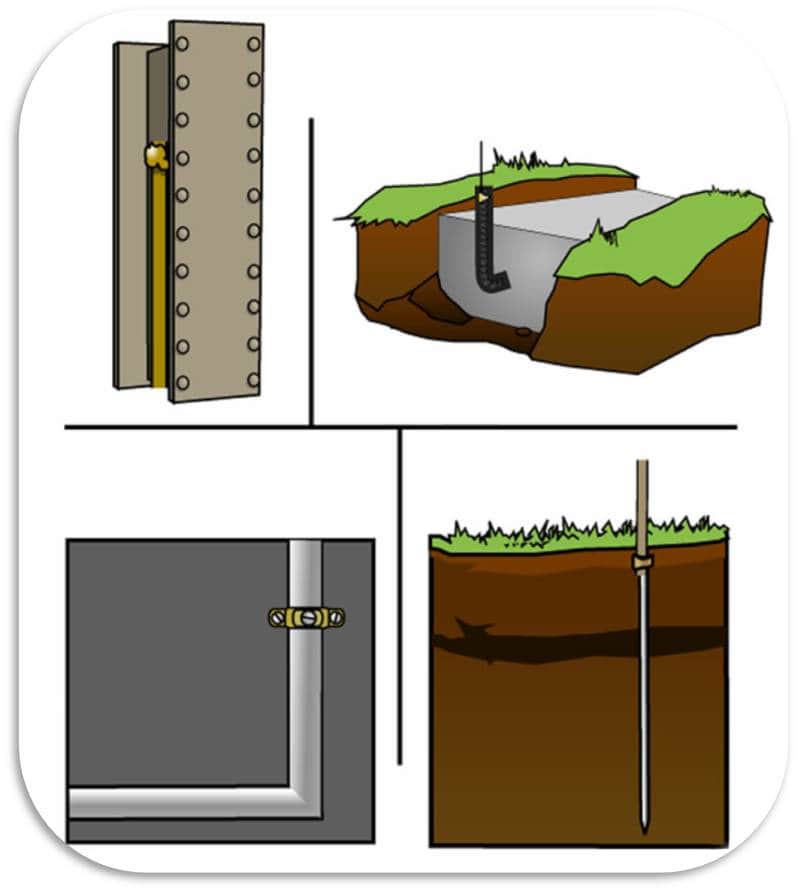
The terms Grounding and Bonding are found throughout the NEC text, and while they are seemingly interchangeable terms, they are actually two distinct procedures when it comes to the National Electrical Code, as well as the installation of electrical equipment.
May 21, 2018
We considered how to properly size a typical motor branch circuit using the motor load as determined with the appropriate table and then multiplying that number by 1.25, reference 430.22.

Apr 23, 2018
The wire of choice for feeders and branch circuits in residential locations is Type NM, non-metallic sheathed cable. It is inexpensive, quick and easy to use, and requires a minimum of tools. But its use is prohibited in sensitive locations, so for industrial, commercial, and even some residential locations, electrical...
Apr 09, 2018
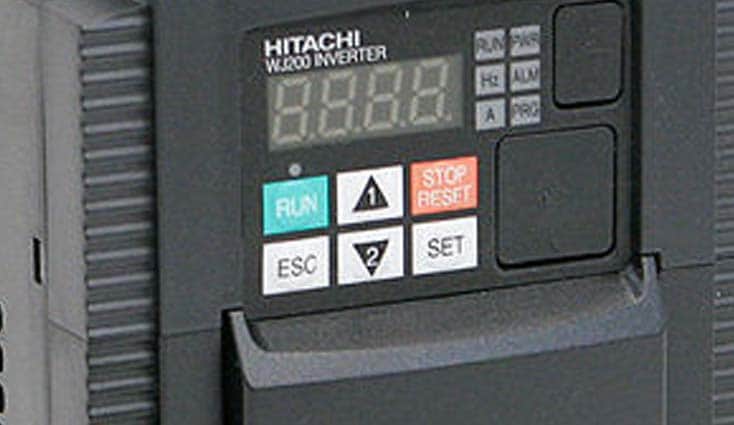
Variable Frequency Drives (VFD’s), also referred to as Adjustable Speed Drives, are prominent in today’s workplace. They are used in elevator, water pump, high-volume air compressor applications and material-handling systems wherever speed and torque characteristics of AC motors are regulated. In Thomas Edison’s time, the DC motor was...
Mar 20, 2018
We demonstrated how to determine the motor load for general motor applications using 430.6(A)(1) which states that table values shall be used to determine the ampacity of conductors… instead of the actual current rating marked on the motor nameplate.
Feb 12, 2018
I have been an electrical instructor for a local community college for more than 15 years. I encourage every student to become familiar with the language we use in the electrical trade because let’s face it… we have our own language. Some of it is trade slang passed...
Feb 01, 2018
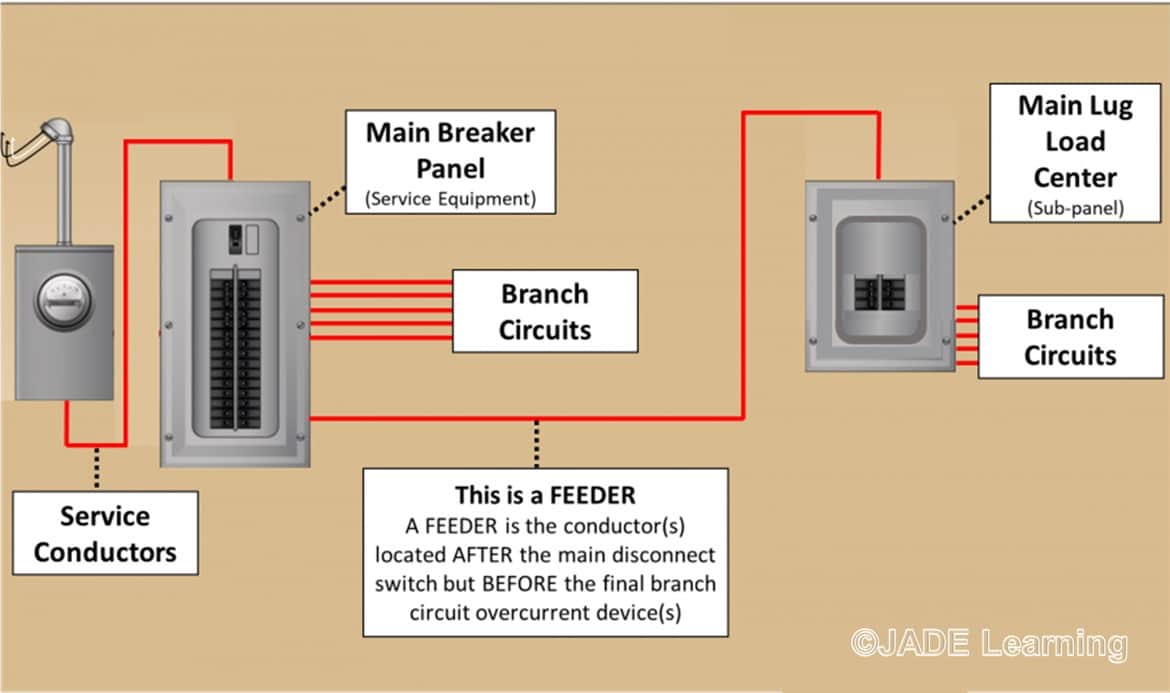
In order to understand what a feeder is, it is best to start with what a feeder is not. The conductors between the utility service point and the service disconnecting means are service conductors, not feeder conductors. Special service conductor rules apply because these conductors do not have short-circuit or ground-fault...

Mar 23, 2017
When reading a book, how often do we skip past the introduction and start with the chapters that interest us? That happens to those of us that use the NEC as well, but understanding the introduction to the code in Article 90 is key to properly applying the technical requirements...
Jan 24, 2017
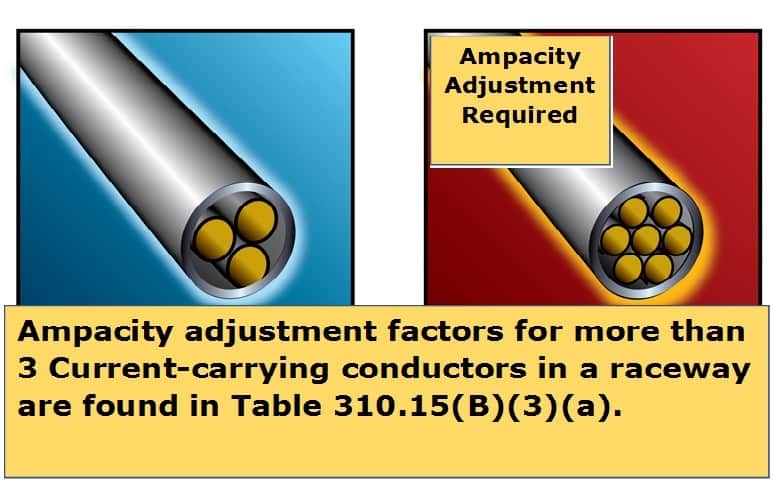
The conditions of use must be considered when determining the minimum size of a feeder conductor. A continuous load, such as the lighting load in a store building, generates heat in the feeder conductor that must be compensated for. Ambient temperatures above 86oF or more than...
Dec 06, 2016
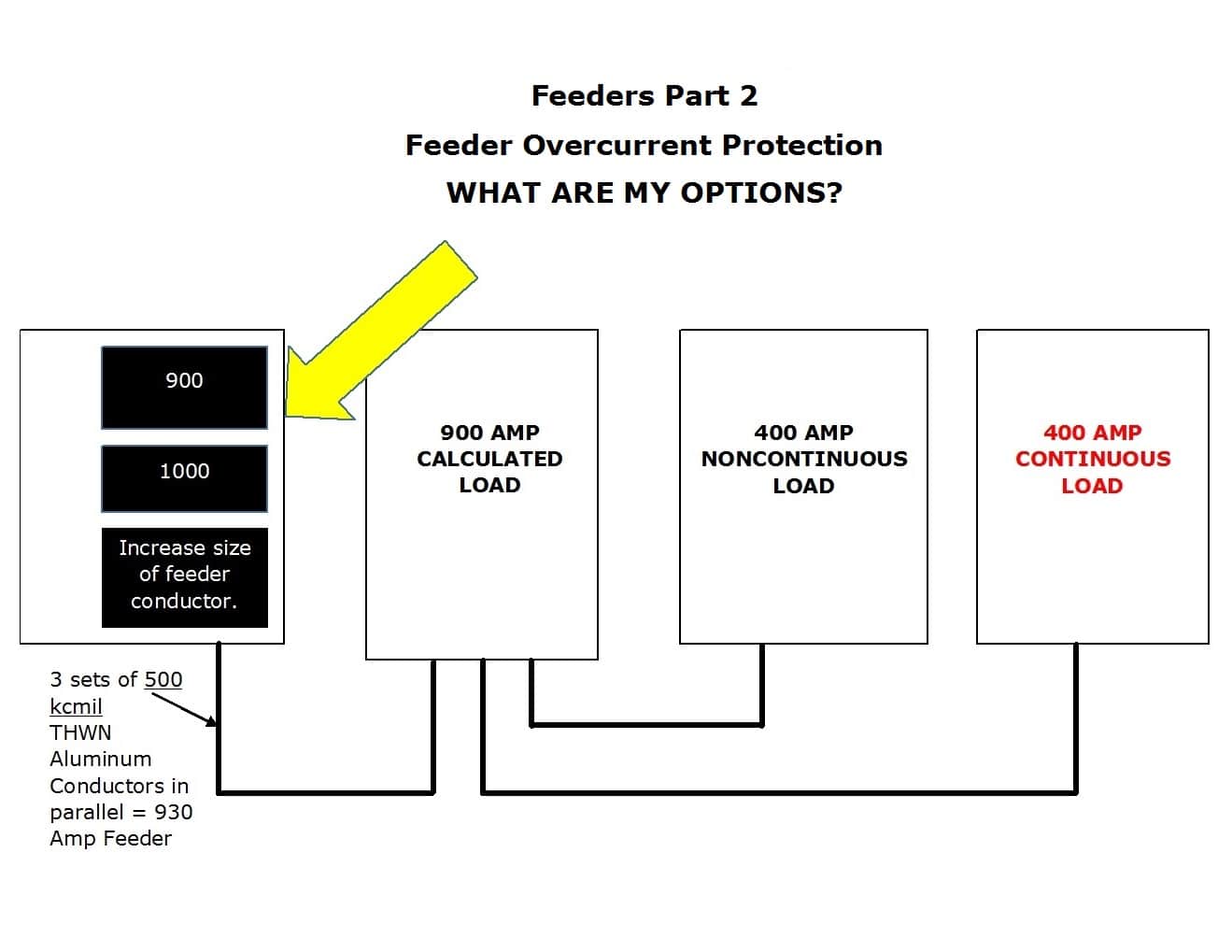
The general rule in 215.3 is that a feeder overcurrent device shall have a rating not less than the noncontinuous load plus 125% of any continuous loads supplied by the feeder. Unless permitted for specific applications, such as motor circuits, the rating of the feeder overcurrent device is selected as...
Sep 26, 2016
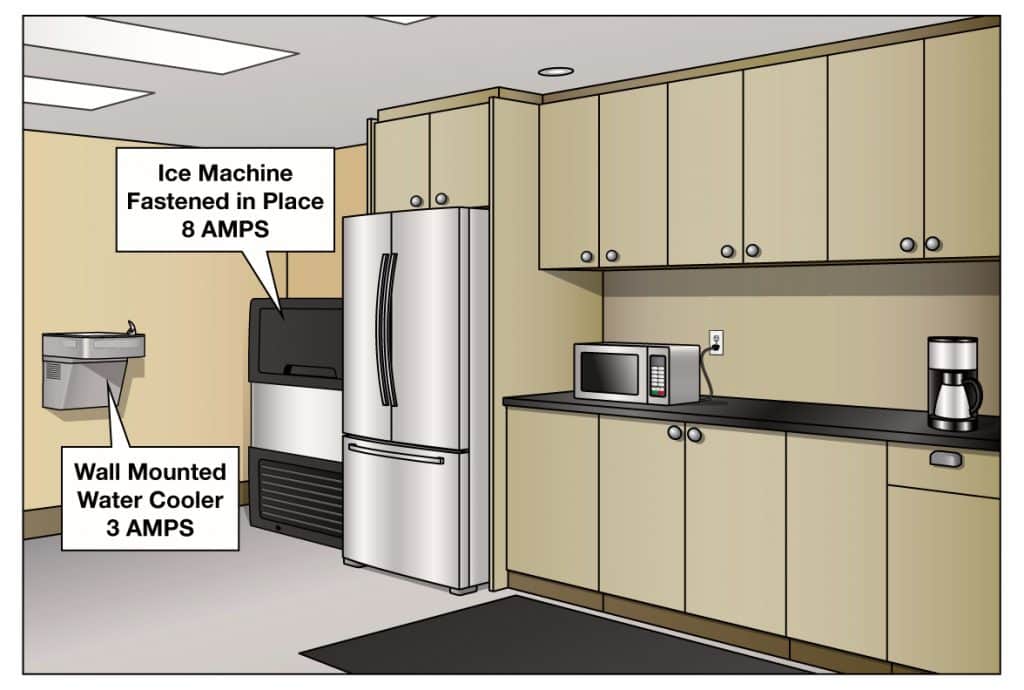
A multiple-outlet branch circuit is a branch circuit that supplies two or more outlets. With the exception of the required small appliance, laundry, and bathroom receptacle circuits in dwelling units, those outlets may be a combination of lighting outlets for luminaires, receptacle outlets for cord and plug connected utilization equipment...
Jul 18, 2016
If you are preparing to take an electrical licensing exam, you will need to know how to calculate the feeder or service load for a single family dwelling. Refer to section 220.82(A)&(B) in the 2014 National Electrical Code (NEC). Here is a sample problem. Use the optional calculation to find...
Jun 21, 2016
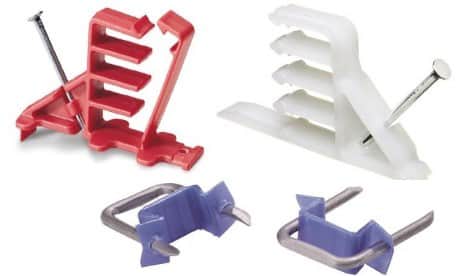
The requirements for securing and supporting are similar in intent, but there are differences. Securing is done by installing a mechanical means of attachment to the cable and attaching it to a stationary structural member so the cable does not move. This will prevent the cable or conduit from becoming loose and pulling away from a box or fitting. Support requires a mechanical means to prevent the cable from sagging or drooping which may cause damage to the cable and create a hazard. A cable may remain loose while its support is maintained.
May 20, 2016
The 2014 NEC is clear about how cables and raceways must be supported. The general rule in 300.11(A) is that raceways, cable assemblies, boxes, cabinets and fittings shall be securely fastened in place. Cables cannot be used as a means of support for other cables, raceways, or nonelectrical equipment, per 300.11(C)...
Apr 20, 2016
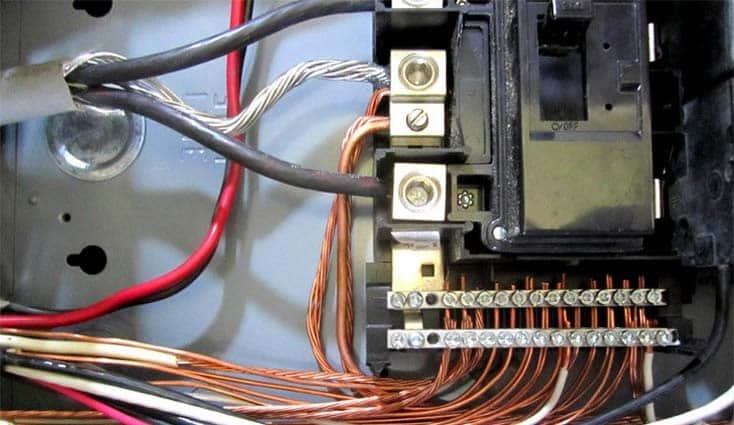
Supply-Side grounded and bonding conductors are sized from Table 250.102(C)(1) in the 2014 NEC. In earlier Codes, all these conductors, as well as the Grounding Electrode Conductor, were selected from Table 250.66. Table 250.102(C)(1) from the 2014 NEC. It is very helpful to have a separate Table for selecting the size of...
Feb 25, 2016
Properly sizing an SE cable installed in thermal insulation requires a careful examination of the Code. Section 338.10(B)(4)(a) is all about interior installations of SE cables and states: Where installed in thermal insulation the ampacity shall be in accordance with the 60°C (140°F) conductor temperature rating. The maximum conductor temperature...
Jan 28, 2016
Upgrading wiring in older homes usually includes replacing old two-wire, non-grounding type receptacles. Replacing a two-wire receptacle with a grounding-type receptacle and not providing an equipment ground or GFCI protection is a serious NEC violation. Extending a two-wire circuit without an equipment ground is also prohibited, even if protected by...
Nov 18, 2015
Most exam tables at the dentist or doctor’s office are not “patient sleeping beds”. A patient sleeping bed is usually found in a health care facility’s patient room rather than in an exam room. Typically, these beds have sheets and pillows, rather than paper covering over vinyl. In an exam...
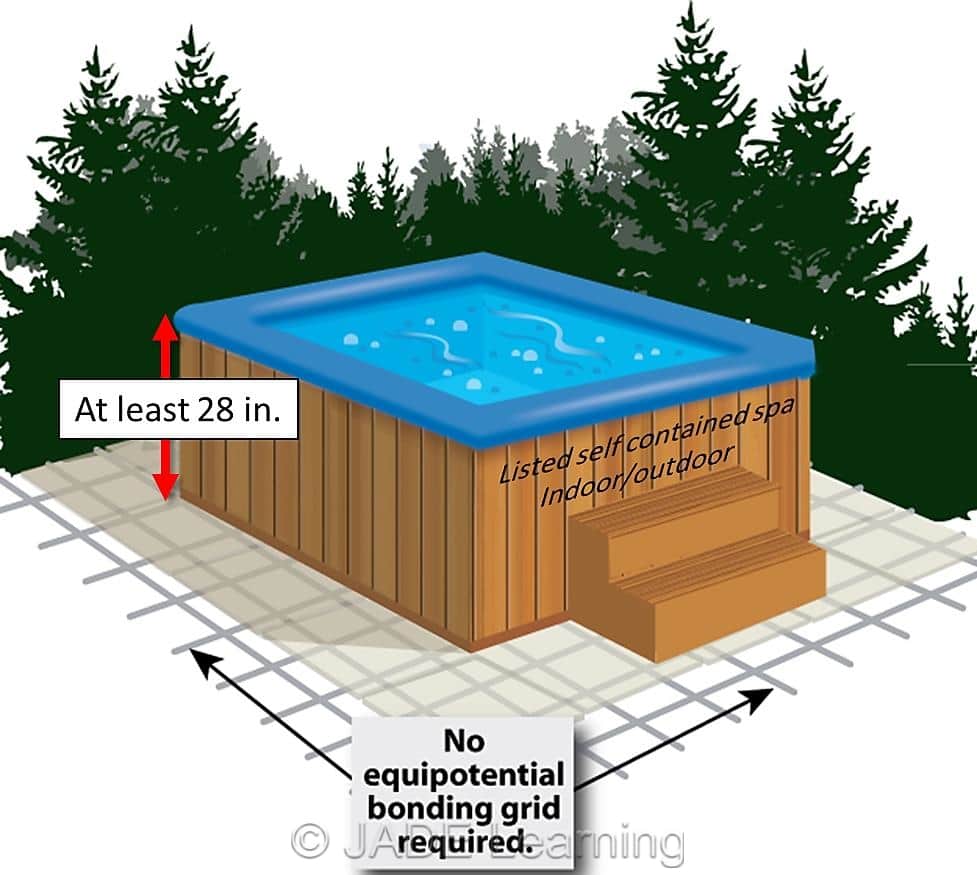
Aug 26, 2015
Here is a list of the most common electrical mistakes made when installing a hot tub outdoors
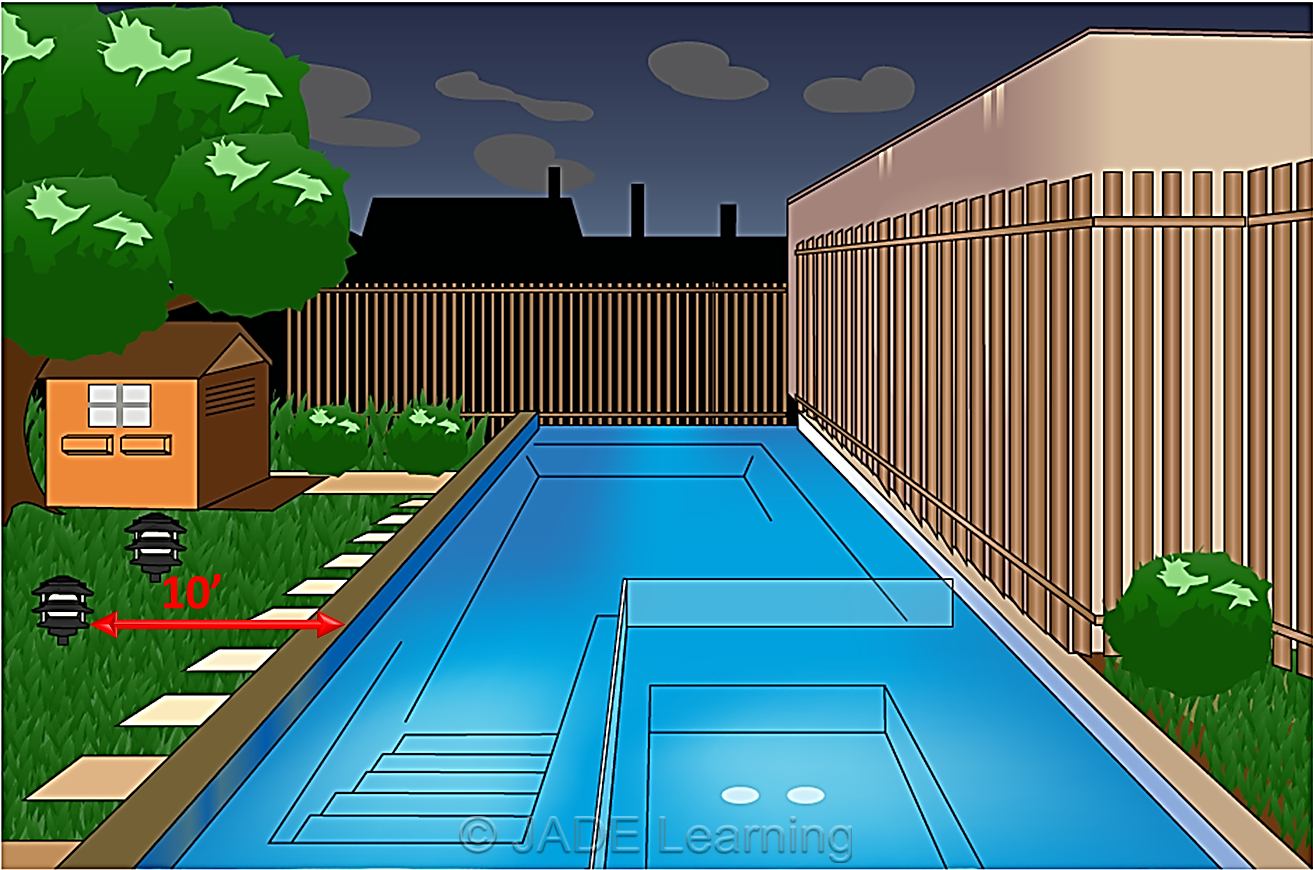
Jul 20, 2015
Here are some common items that can cause the electrical inspection to fail at swimming pools.
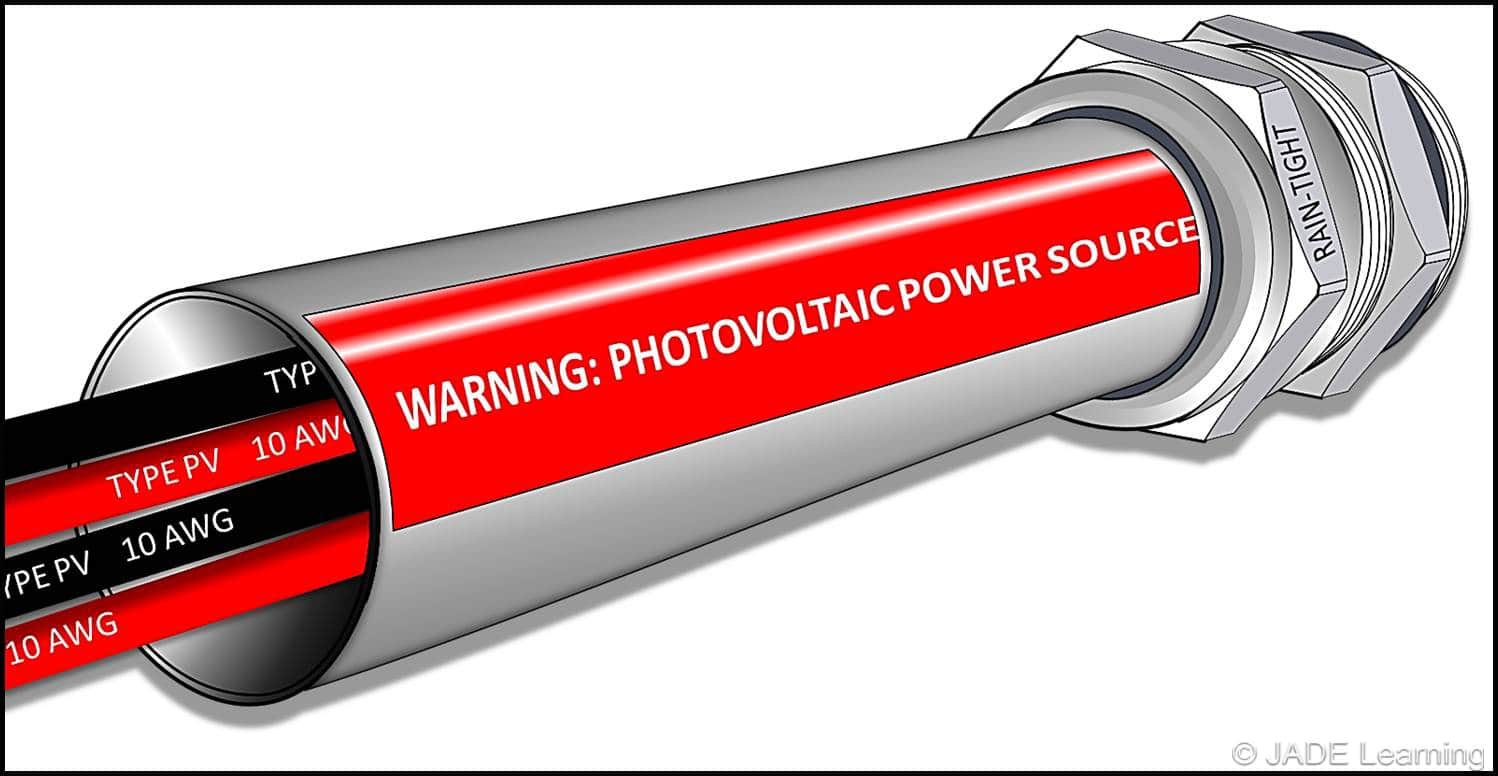
Jul 06, 2015
There are many PV system marking and labeling requirements in the NEC. Some markings will be factory applied as required by the product listing and others must be field applied by the installer
May 29, 2015
A PV system is useless until it gets connected into the premises wiring system. NEC section 690.64 states that the point of connection for a PV system shall be in accordance with section 705.12. Article 705 provides the rules on how an electric power production source, such as a PV...
Apr 29, 2015
In the past few blog posts we have discussed some of the more important issues related to the PV system including PV modules, PV source circuits, PV output circuits, and inverters. Now let’s talk about PV grounding. Equipment GroundingIn most PV installations, the PV modules are fastened to a metal rack-type...
Mar 31, 2015
An inverter takes the DC current produced by the PV modules and converts it to AC current for connection to the utility grid.
Mar 10, 2015
When wiring PV modules in series (to create a series string of modules), voltage is additive while current remains the same. Series = Adds Voltage. When wiring several strings in parallel, the result is the opposite; voltage remains the same while current is additive.
Jan 30, 2015
Section 110.21(B) states that if caution, warning, danger signs or labels are required by the NEC, the labels shall “adequately” warn of the hazard using effective words and/or colors and/or symbols.
Dec 29, 2014
Here are the 6 most common violations that inspectors see in an above-grid ceiling inspection:
Nov 26, 2014
The fact that the table was removed is neither here nor there. More importantly is how to apply the 83% and when the Code section allows us to use it. Applying 310.15(B)(7) to one-family dwellings or the individual dwelling units of two-family and multi-family dwellings, has always been dependent on a few important factors:
Oct 21, 2014
Here are the top 5 most common problems that arise and how they relate to the NEC:
Sep 26, 2014
If the point of interconnection will be made at a feeder, other than the opposite end of the primary overcurrent protective device (OCPD), then there are two options and both apply only to the portion of feeder on the load side of the inverter output connection.
Aug 22, 2014
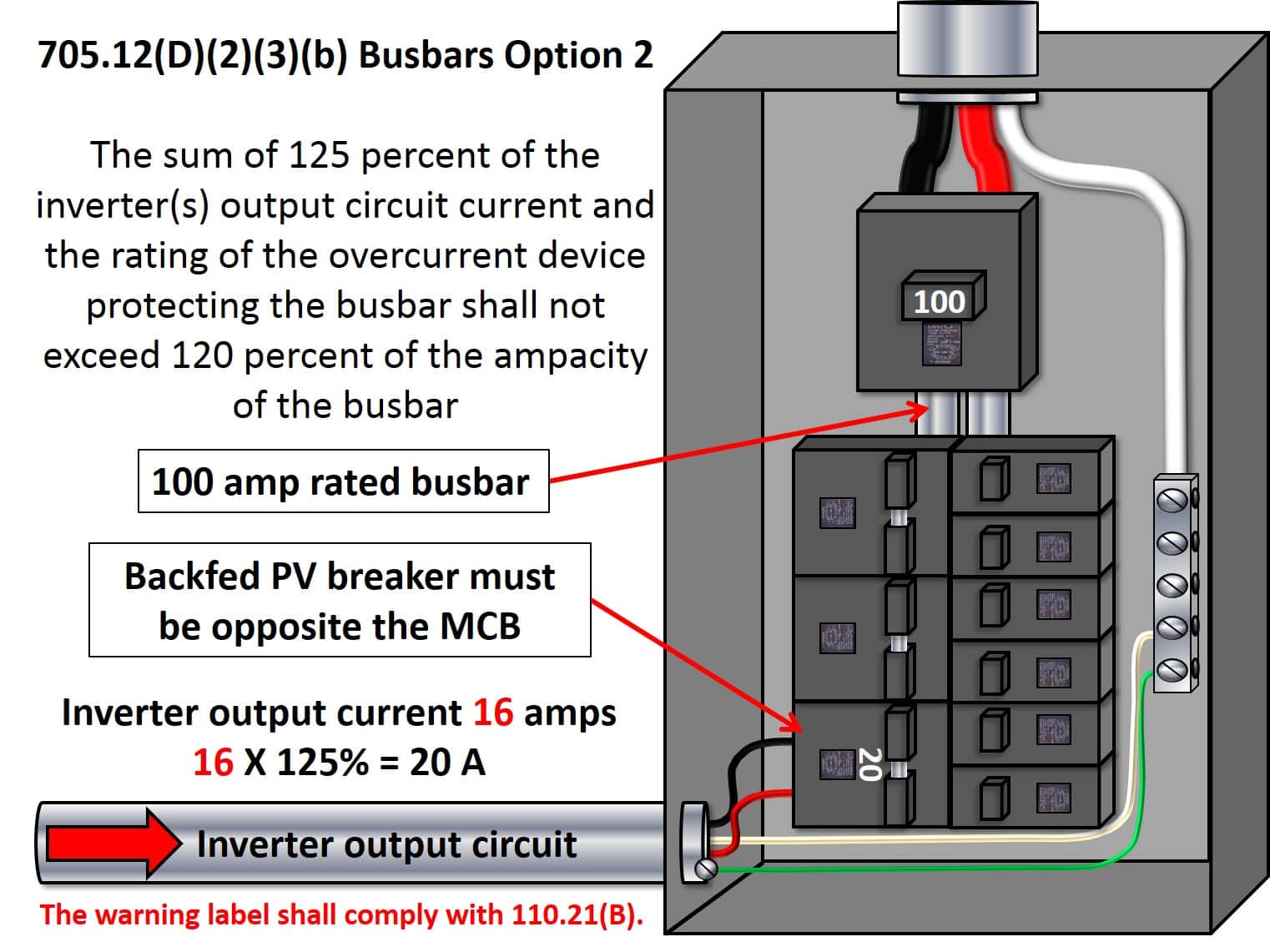
Let’s start out with the first basic requirement in 705.12(D)(2): 125% of the inverter output circuit current must be used for the ampacity calculations for most of the interconnection methods used. Whether interconnecting the Inverter Output Circuit through a breaker at the service panel or directly to a feeder, it is important to first know the inverter output circuit current.
Jul 15, 2014
In the Summer Newsletter article, we discussed marking our service equipment with the maximum Available Fault Current (AFC) as well as the date the fault current calculation was performed to comply with NEC 110.24(A). We selected circuit breakers with an AIC rating equal to or greater than the AFC. So...
Oct 15, 2013
Register for our 2014 NEC Changes free webinar on November 12, 2013. Also, stay tuned to The Junction Box Blog for more information on the 2014 NEC changes. AFCI protection is one of the most talked about additions to the National Electrical Code over the years. Watch this quick video on...
Oct 10, 2013
One theme in the new edition of the Code is new technologies and requirements for their safe installation and modification. Today we are going to start with four new articles that were added in the 2014 edition of the National Electrical Code to accommodate these emerging technologies.
Jun 12, 2013
Today John Hauck and David Burtt discuss the identification of equipment grounding conductors according to the 2011 National Electrical Code. This is part 3 of a 3 part series on identifying conductors. How are equipment grounding conductors identified?250.119. Equipment grounding conductors can be bare, covered or insulated. If insulated...
May 16, 2013
Today John Hauck and David Burtt discuss the identification of ungrounded conductors according to the 2011 National Electrical Code. This is part 1 of a 3 part series on identifying conductors. Does the National Electrical Code have a required color code? No. The National Electrical Code does not have a...
Apr 04, 2013
Corrugated stainless steel tubing (CSST), is used to convey flammable gas inside or outside of a building. It is not mentioned in the 2011 NEC by name, but Informational Note No. 2 to 250.104(B) cites NFPA 54, the National Fuel Gas Code, as a source for additional information for gas...
Mar 08, 2013
A common application of multiwire branch circuits as described in section 210.4 is for a 120/240-volt, single-phase system where three wires do the work of four, the two ungrounded conductors sharing a single neutral. In a 20 amp multiwire branch circuit if the two ungrounded conductors each carry 15 amps, some people think the neutral carries 30 amps, or the combined total of the current on each ungrounded conductor.
Jan 03, 2013
Marking the maximum available current and the calculation date on the service equipment makes it much easier to confirm the interrupting rating of the equipment.