Mar 03, 2022
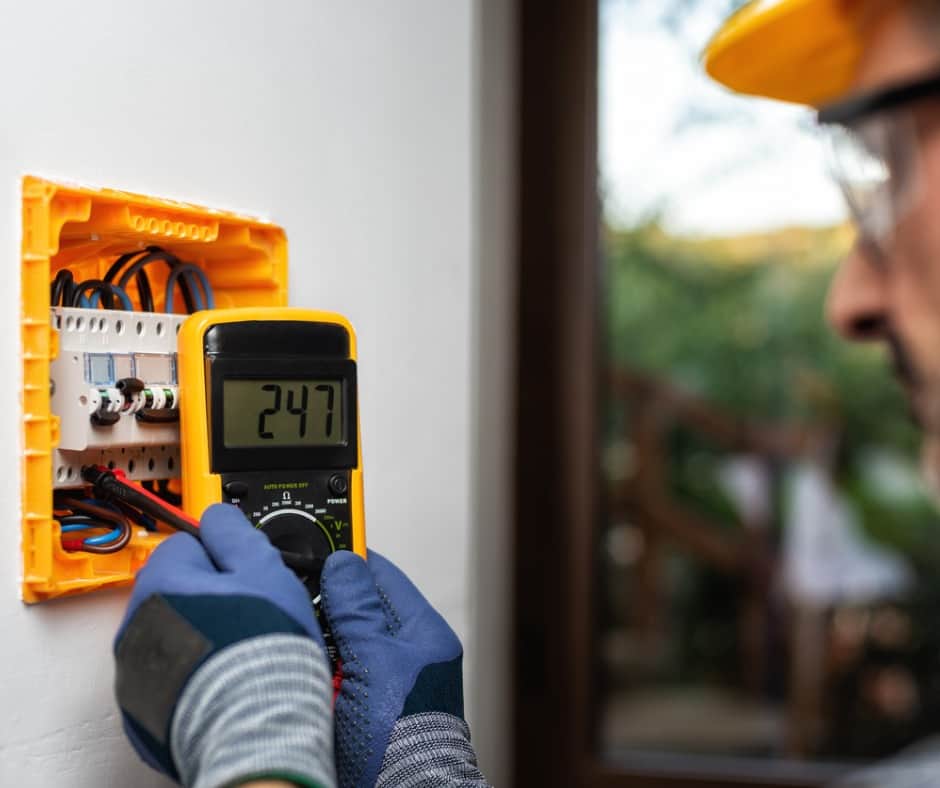
How do we know if our single ground rod has the proper earth resistance? We don’t know unless we have a ground resistance tester and know how to use it. So let’s look at how we perform this test.
Feb 10, 2022
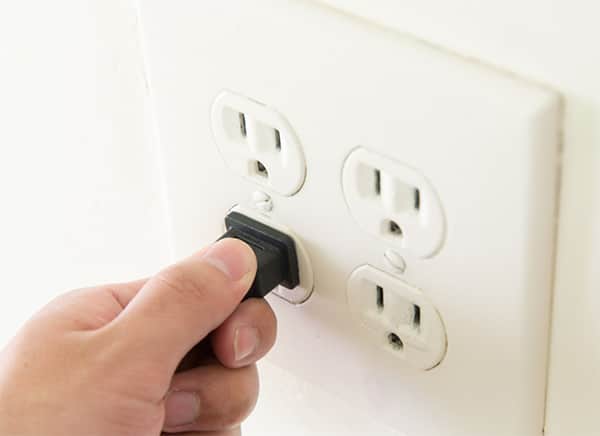
Not too many times, when speaking about the National Electrical Code, do we hear the phrase “as many as you want” or “unlimited.” However, when talking about a 15-amp 120-volt convenience outlet branch circuit in a dwelling, we can say those phrases, because it is true! We can install an...
May 05, 2021
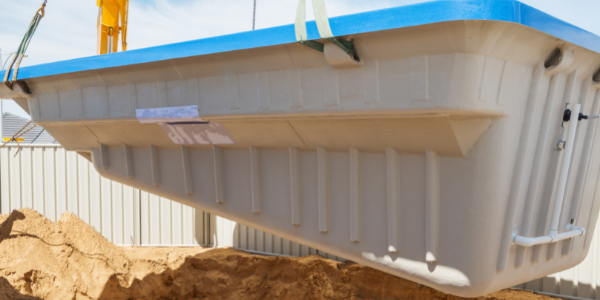
The average consumer does not understand the potential dangers related to electricity and pools, so they rely on you, the electrical professional, to do it right. There have been 98 verifiable water deaths from electricity since 1986, but that is likely just the tip of a very large iceberg. A small amount of current can cause muscular paralysis and drowning. We have put together a basic checklist for electrical safety-related to pools. This list is not exhaustive. We will focus our attention on three important areas: grounding and equipotential bonding, GFCI protection, and corrosive environments.
Aug 05, 2020
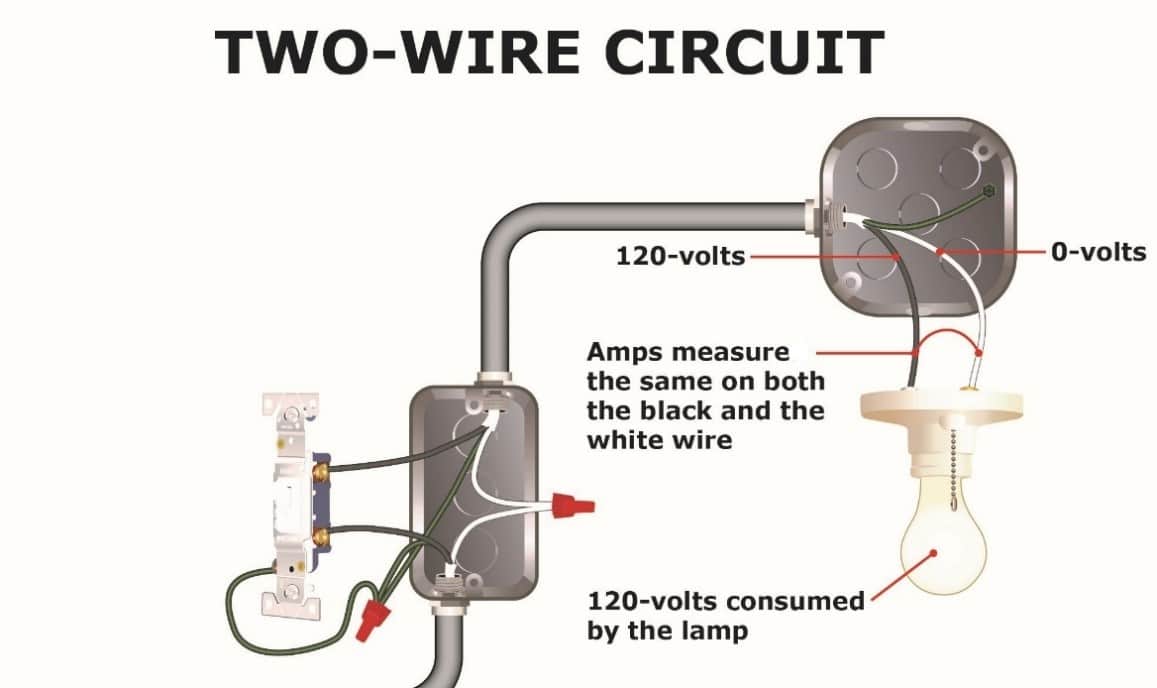
If you ask a seasoned electrician how many No. 12 AWG conductors will fit into a 3/4" EMT conduit system, you may get a response such as “one more!” While this is amusing (and typically true), there are precautions that must be taken according to the NEC whenever conductors are bundled together in a raceway, cable, or even in a ditch in the earth.
Sep 26, 2019
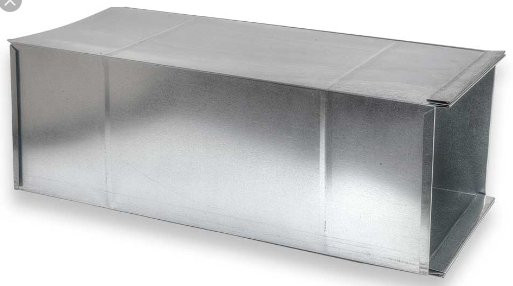
When homeowners receive quotes from HVAC contractors, they typically are given two duct replacement options, sheet metal or fiberglass duct board. There is a third option, phenolic duct, that is made of plastic foam with a foil liner on the inside and exterior. It hasn’t been on the market long enough to weigh in on its merits and shortcomings and will not be included in this comparison. Homeowners usually go for the product their HVAC contractor recommends; however, all systems have their strengths and weaknesses. Here are the advantages and disadvantages of two of these materials when installed in the typical residence.
Sep 26, 2019
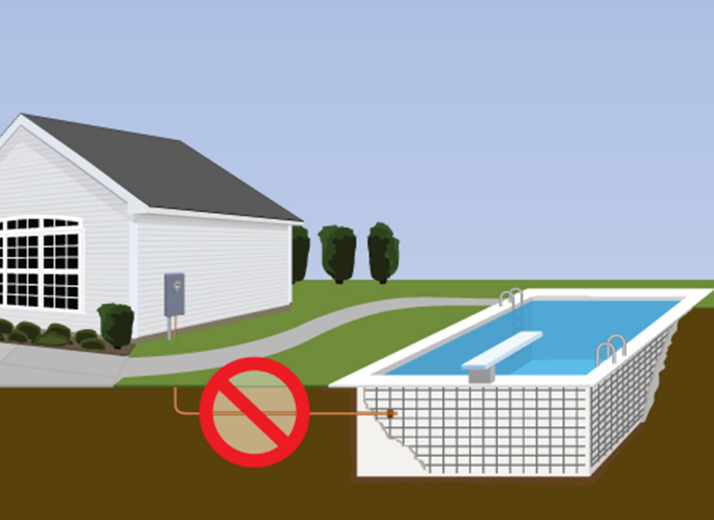
Prior to 2017, only two items were prohibited for use as grounding electrodes, underground gas piping and aluminum. For 2017, another item has been added to the list of prohibited items. For the 2017 code cycle, the structures as well as steel reinforcement materials that pertain to swimming pools have been added to the list found in 250.52(B)(3) of components that are prohibited from being used as grounding electrodes for an electrical system.
Sep 25, 2019
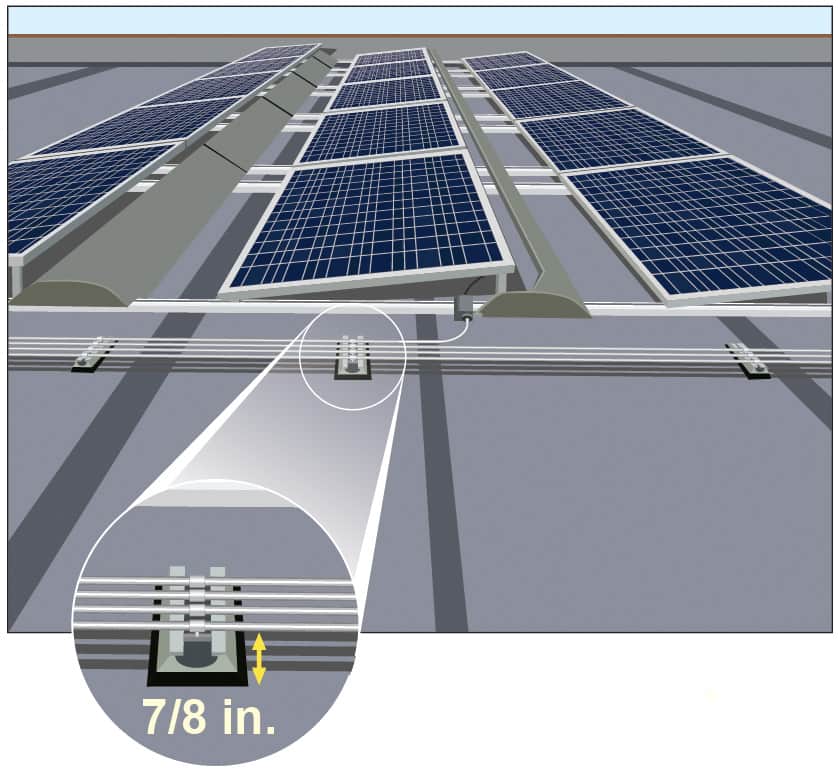
Anyone who has been on top of a roof on a hot summer day knows what it’s like to stand in the middle of an oven. Extreme temperatures from the sun can bake everything in sight, from shingles to appliances, and even electrical conductors and conduit. Conductor insulation is meant to provide long lasting protection from expected heat due to the flow of electricity and normal environmental factors. However, excessive heat from solar radiation can damage conductors and cause premature failures.

Jun 05, 2019
The 2017 NEC now requires meeting rooms measuring 1,000 square feet or less to be equipped with 125-volt 15 or 20 ampere receptacles. This new requirement will help serve today’s trend that requires we travel with a myriad of electronic devices to meet our daily personal and business needs. This new Code-reference, 210.71 Meeting Rooms, is found in Article 210 Branch Circuits, Part III. Required Outlets, and is only applicable to meeting rooms or areas measuring 1,000 square feet or less. The qualifying room or area is to be determined by measuring wall-to-wall space, as well as space created using movable partitions.

May 01, 2019
Fire alarm systems are at least an order of magnitude more challenging to understand than homeowner-type smoke alarms, even if individual smoke alarms within the home are wired together to work in concert. Fire alarm work must not be taken for granted because if a system...
Dec 10, 2018
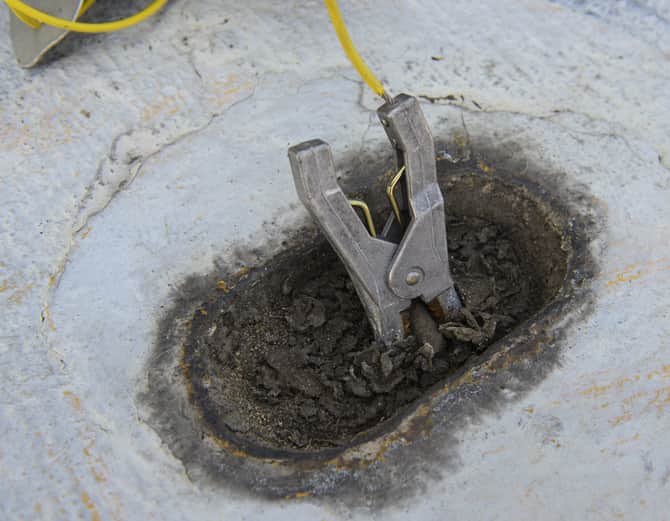
Why are you permitted to go no larger than #6 cu for the GEC attached to a driven rod or driven pipe that is being used as a grounding electrode, but you have to use Table 250.66, and all of the proposed size increases in it when using a metal water piping system in the earth, as my grounding electrode conductor?

Oct 05, 2018
The Electrical Service supplying an entire RV park must be sized to accommodate the electrical demands of multiple modern recreational vehicles drawing power simultaneously from the individual park sites.
Sep 18, 2018
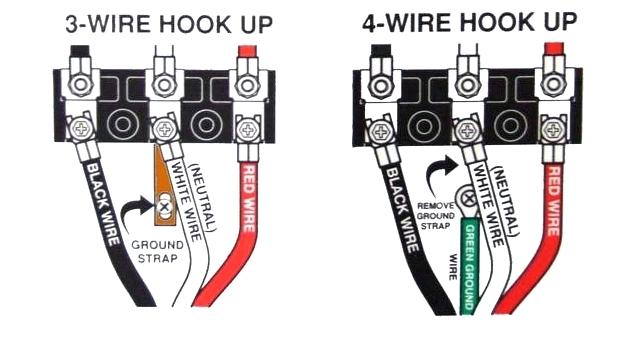
Modern clothes dryers often have a bonding strap in place that connects the metal housing of the dryer to the neutral lug of the cord attachment terminals, in case the installer is using the 3-wire cord method.
Sep 07, 2018
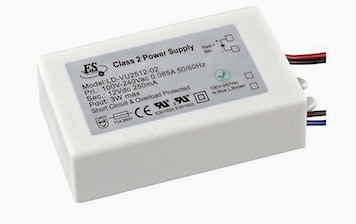
NEC Article 725 is dedicated to specialized circuitry, different from standard power and lighting circuits. The limited power and voltage of these circuits is what makes them a separate and specialized wiring method.

Aug 28, 2018
Let's take a look at what is happening on the other end of that equipment grounding conductor, and what it is that enables this conductor to effectively carry current at such a rate that it will instantaneously trip a circuit-breaker or fuse, in the event of a ground-fault. It is normal to assume that a conductor will carry current, but in the matter of fault-current it is important to know why an equipment grounding conductor is able to do its job.

Aug 14, 2018
Branch-Circuit Short-Circuit and Ground-Fault Overcurrent Protection is the final article of a four part series. The series is titled “Motor Calculations” and covers the Code and calculations for single general motor applications.
Jul 31, 2018
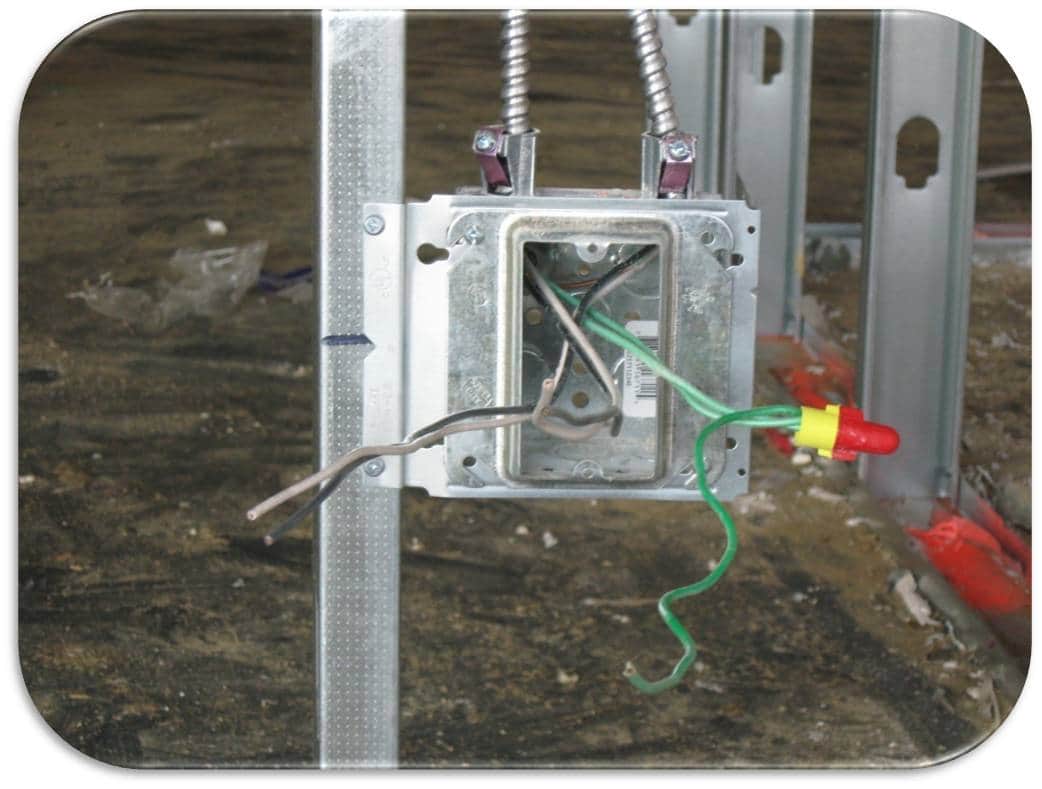
Reader question about "Grounding VS Bonding Part 1" article
Jul 17, 2018
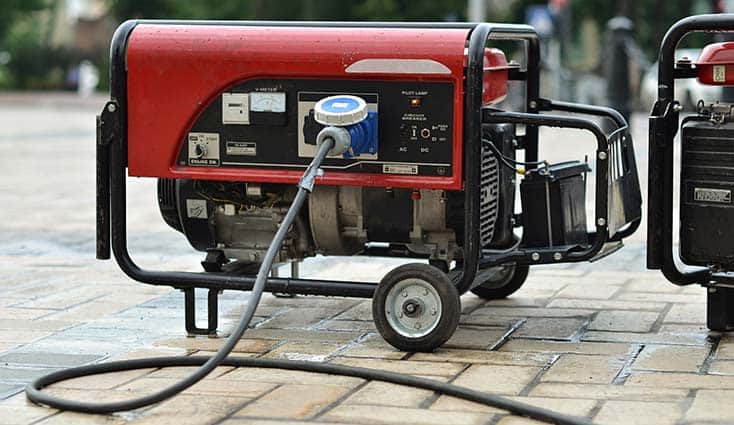
Portable generators are useful for when temporary or remote power is needed. Knowing when to ground a generator is critical for operator safety.
Jul 02, 2018
This is the third part of a series designed to help explain how to properly calculate motor circuits.
Jun 15, 2018
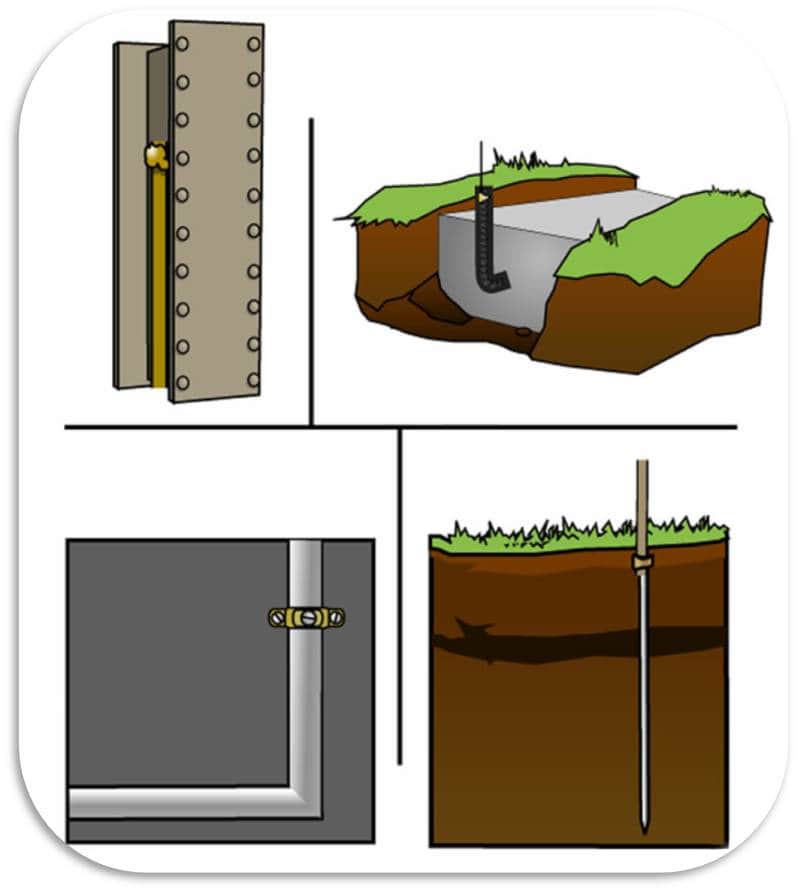
The terms Grounding and Bonding are found throughout the NEC text, and while they are seemingly interchangeable terms, they are actually two distinct procedures when it comes to the National Electrical Code, as well as the installation of electrical equipment.
May 21, 2018
We considered how to properly size a typical motor branch circuit using the motor load as determined with the appropriate table and then multiplying that number by 1.25, reference 430.22.

Apr 23, 2018
The wire of choice for feeders and branch circuits in residential locations is Type NM, non-metallic sheathed cable. It is inexpensive, quick and easy to use, and requires a minimum of tools. But its use is prohibited in sensitive locations, so for industrial, commercial, and even some residential locations, electrical...
Apr 09, 2018
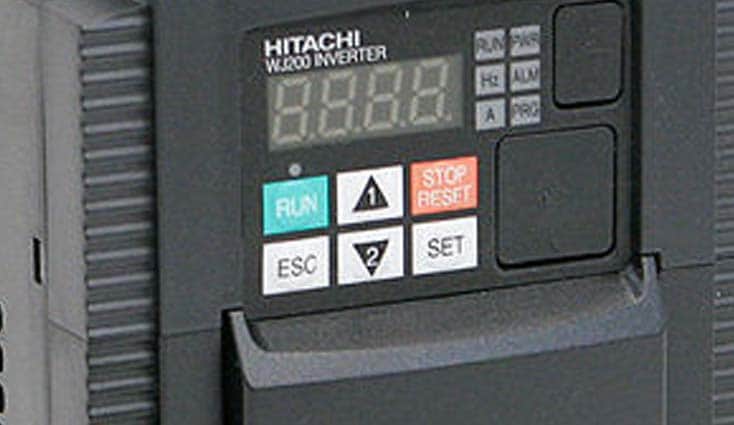
Variable Frequency Drives (VFD’s), also referred to as Adjustable Speed Drives, are prominent in today’s workplace. They are used in elevator, water pump, high-volume air compressor applications and material-handling systems wherever speed and torque characteristics of AC motors are regulated. In Thomas Edison’s time, the DC motor was...
Mar 20, 2018
We demonstrated how to determine the motor load for general motor applications using 430.6(A)(1) which states that table values shall be used to determine the ampacity of conductors… instead of the actual current rating marked on the motor nameplate.
Feb 01, 2018
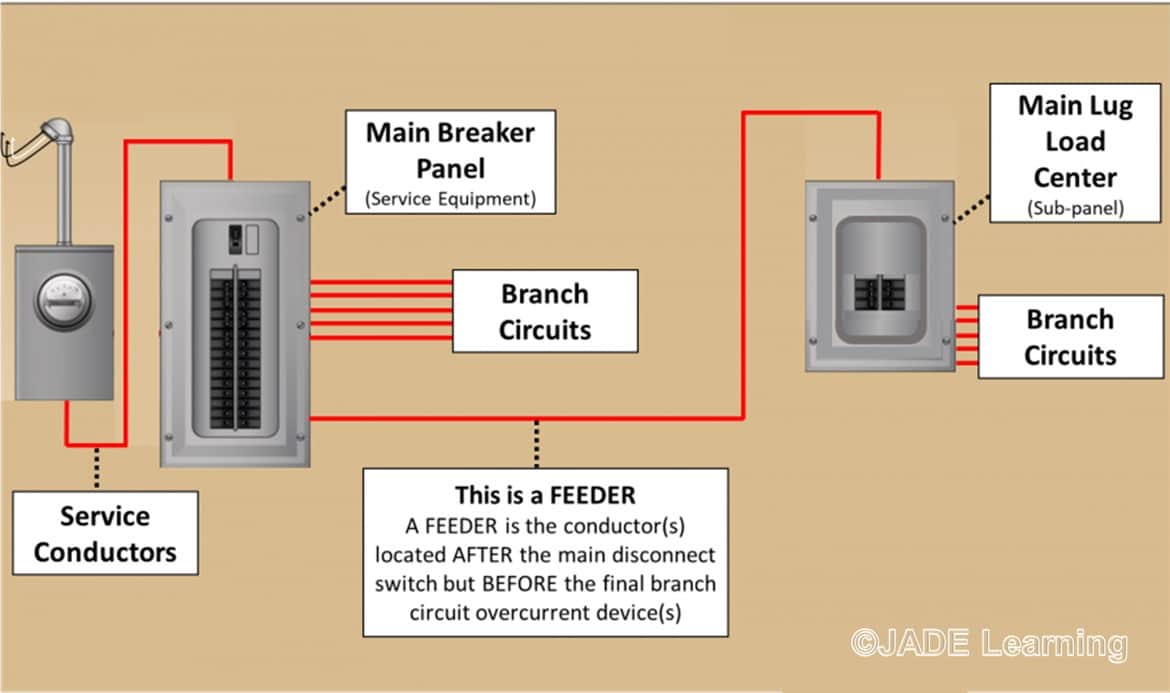
In order to understand what a feeder is, it is best to start with what a feeder is not. The conductors between the utility service point and the service disconnecting means are service conductors, not feeder conductors. Special service conductor rules apply because these conductors do not have short-circuit or ground-fault...
Oct 05, 2017
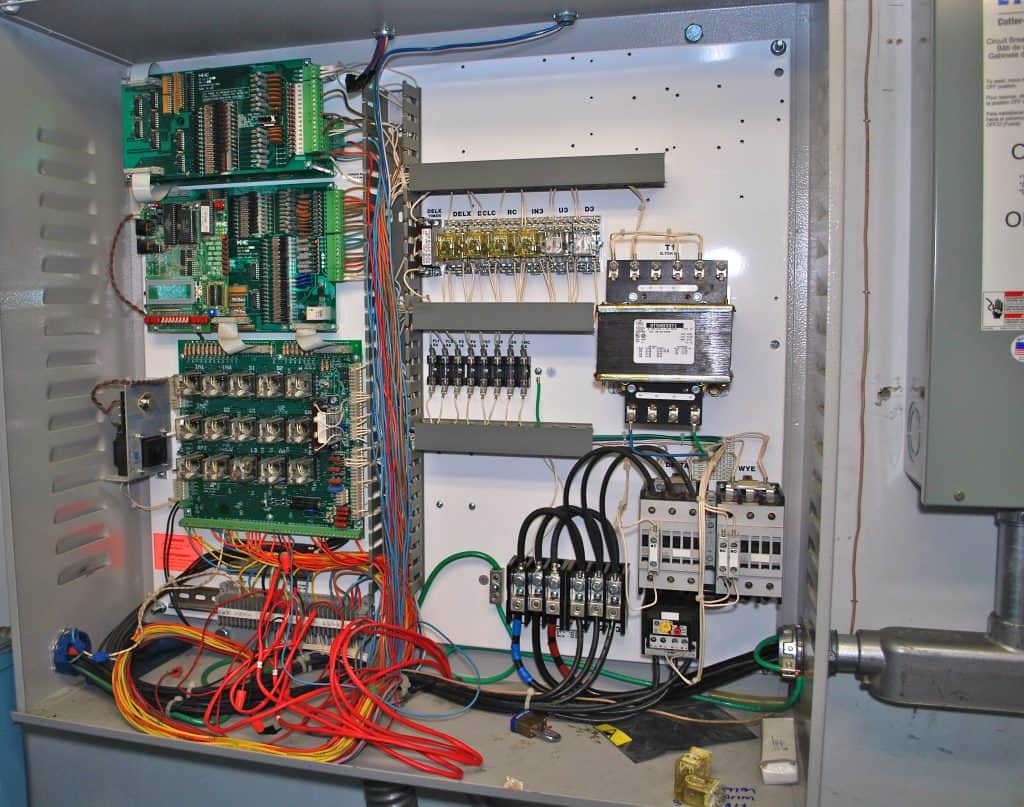
Elevators have become an essential feature of most multistory buildings and are no longer limited only to tall buildings. Elevators provide an accessible and easy means of egress for employees and customers. In certain types of buildings elevators are required by the model building codes or Federal law
Jan 24, 2017
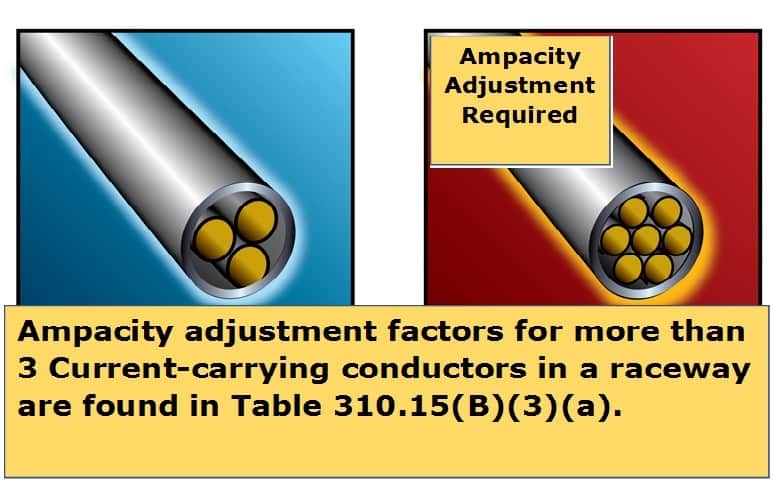
The conditions of use must be considered when determining the minimum size of a feeder conductor. A continuous load, such as the lighting load in a store building, generates heat in the feeder conductor that must be compensated for. Ambient temperatures above 86oF or more than...
Dec 06, 2016
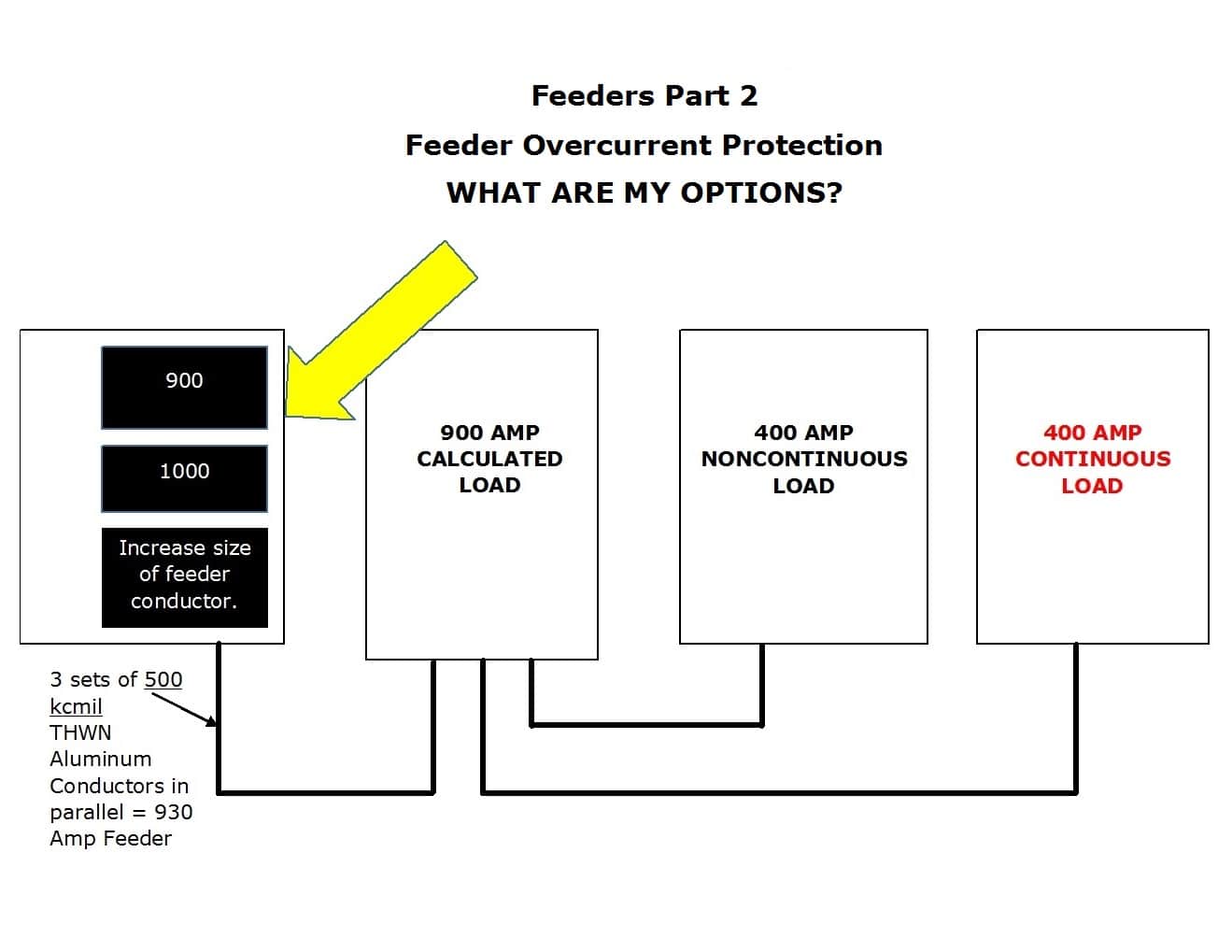
The general rule in 215.3 is that a feeder overcurrent device shall have a rating not less than the noncontinuous load plus 125% of any continuous loads supplied by the feeder. Unless permitted for specific applications, such as motor circuits, the rating of the feeder overcurrent device is selected as...
Sep 26, 2016
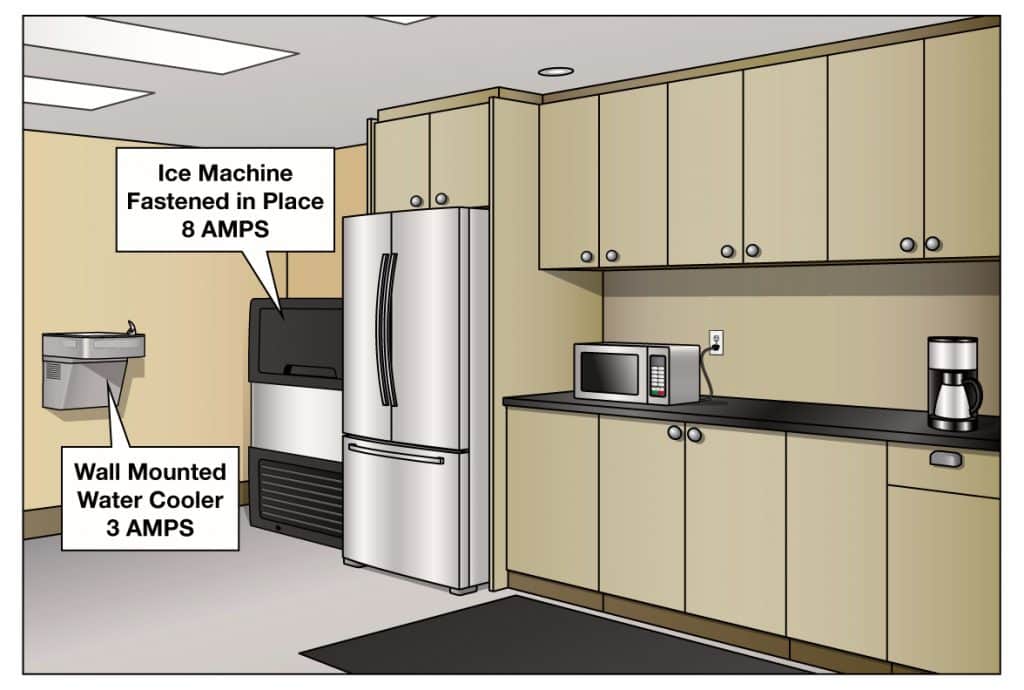
A multiple-outlet branch circuit is a branch circuit that supplies two or more outlets. With the exception of the required small appliance, laundry, and bathroom receptacle circuits in dwelling units, those outlets may be a combination of lighting outlets for luminaires, receptacle outlets for cord and plug connected utilization equipment...
Jul 18, 2016
If you are preparing to take an electrical licensing exam, you will need to know how to calculate the feeder or service load for a single family dwelling. Refer to section 220.82(A)&(B) in the 2014 National Electrical Code (NEC). Here is a sample problem. Use the optional calculation to find...
Jun 21, 2016
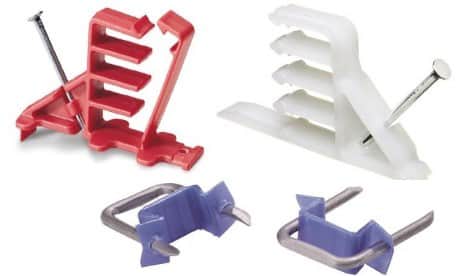
The requirements for securing and supporting are similar in intent, but there are differences. Securing is done by installing a mechanical means of attachment to the cable and attaching it to a stationary structural member so the cable does not move. This will prevent the cable or conduit from becoming loose and pulling away from a box or fitting. Support requires a mechanical means to prevent the cable from sagging or drooping which may cause damage to the cable and create a hazard. A cable may remain loose while its support is maintained.
May 20, 2016
The 2014 NEC is clear about how cables and raceways must be supported. The general rule in 300.11(A) is that raceways, cable assemblies, boxes, cabinets and fittings shall be securely fastened in place. Cables cannot be used as a means of support for other cables, raceways, or nonelectrical equipment, per 300.11(C)...
Apr 20, 2016
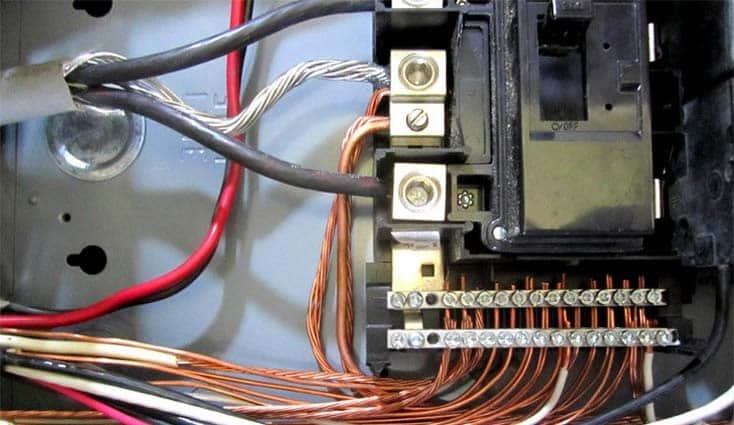
Supply-Side grounded and bonding conductors are sized from Table 250.102(C)(1) in the 2014 NEC. In earlier Codes, all these conductors, as well as the Grounding Electrode Conductor, were selected from Table 250.66. Table 250.102(C)(1) from the 2014 NEC. It is very helpful to have a separate Table for selecting the size of...
Feb 25, 2016
Properly sizing an SE cable installed in thermal insulation requires a careful examination of the Code. Section 338.10(B)(4)(a) is all about interior installations of SE cables and states: Where installed in thermal insulation the ampacity shall be in accordance with the 60°C (140°F) conductor temperature rating. The maximum conductor temperature...
Jan 28, 2016
Upgrading wiring in older homes usually includes replacing old two-wire, non-grounding type receptacles. Replacing a two-wire receptacle with a grounding-type receptacle and not providing an equipment ground or GFCI protection is a serious NEC violation. Extending a two-wire circuit without an equipment ground is also prohibited, even if protected by...
Nov 18, 2015
Most exam tables at the dentist or doctor’s office are not “patient sleeping beds”. A patient sleeping bed is usually found in a health care facility’s patient room rather than in an exam room. Typically, these beds have sheets and pillows, rather than paper covering over vinyl. In an exam...
Aug 26, 2015
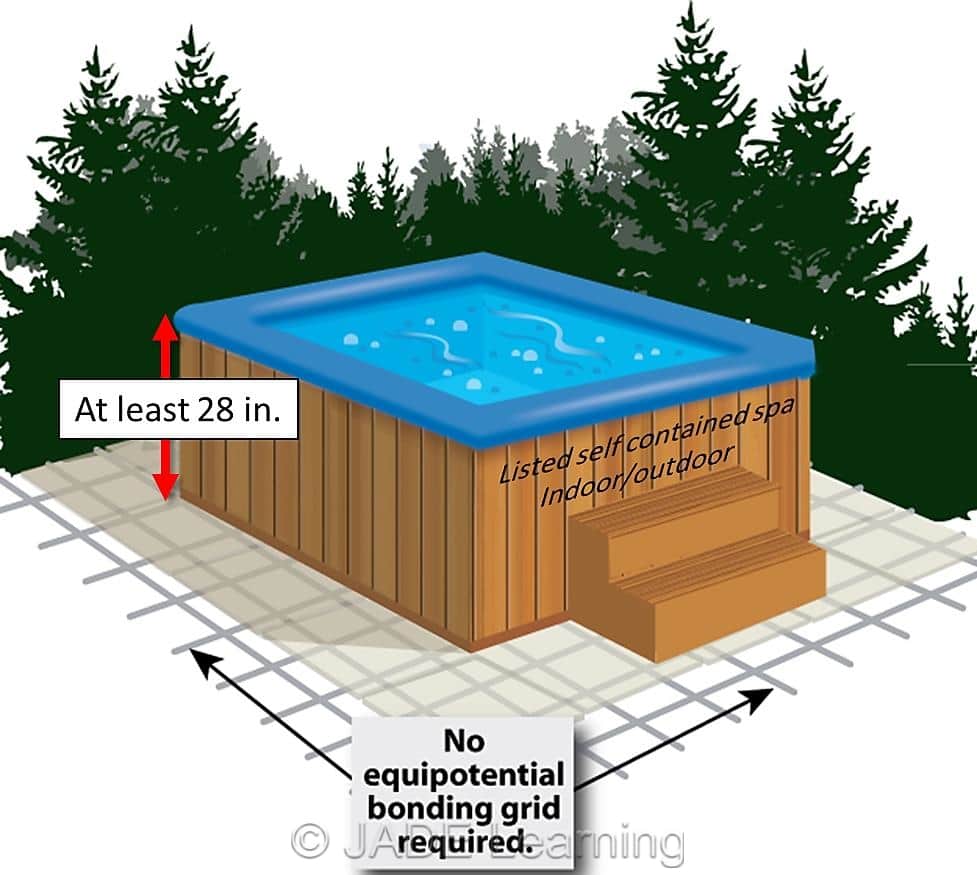
Here is a list of the most common electrical mistakes made when installing a hot tub outdoors
Jul 20, 2015
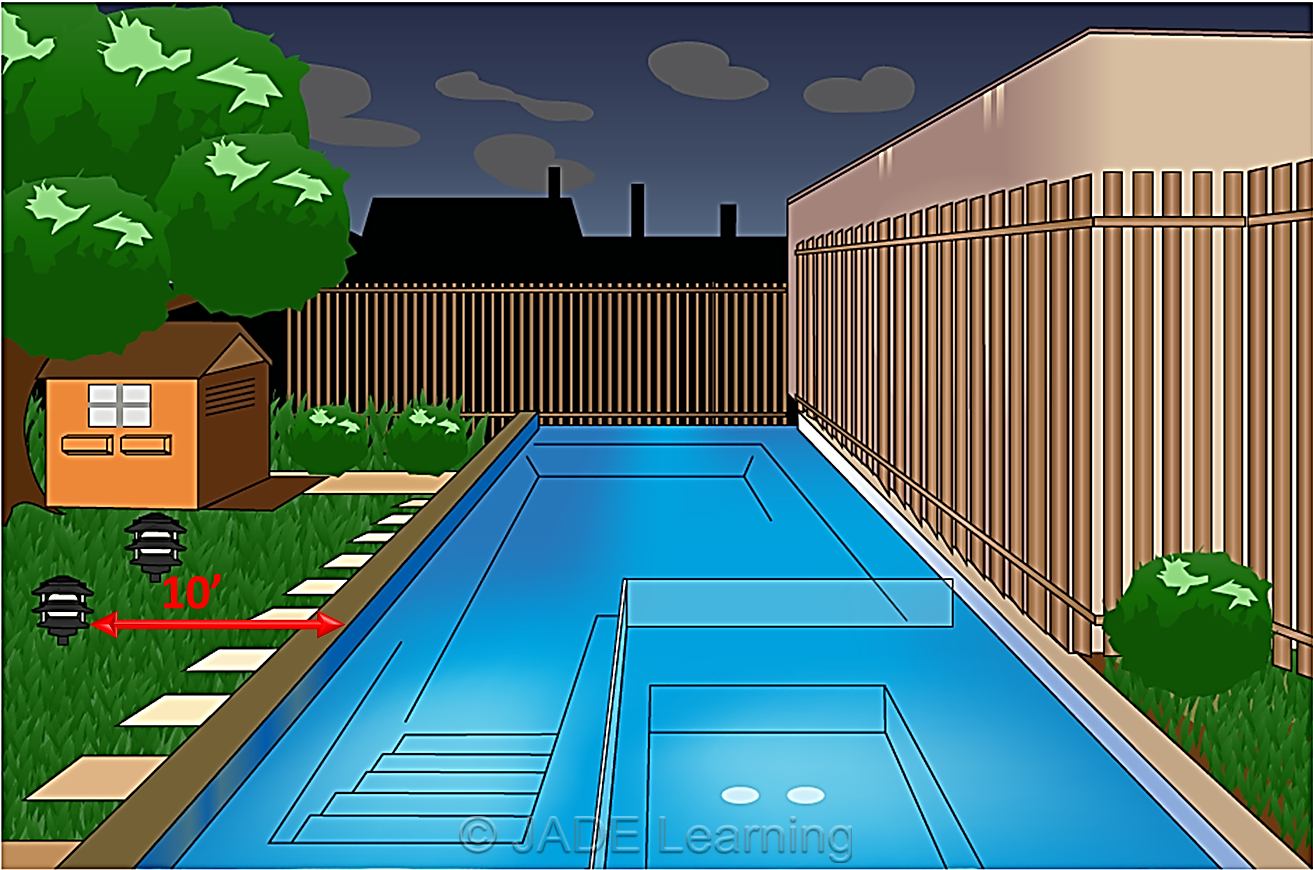
Here are some common items that can cause the electrical inspection to fail at swimming pools.
Jul 06, 2015
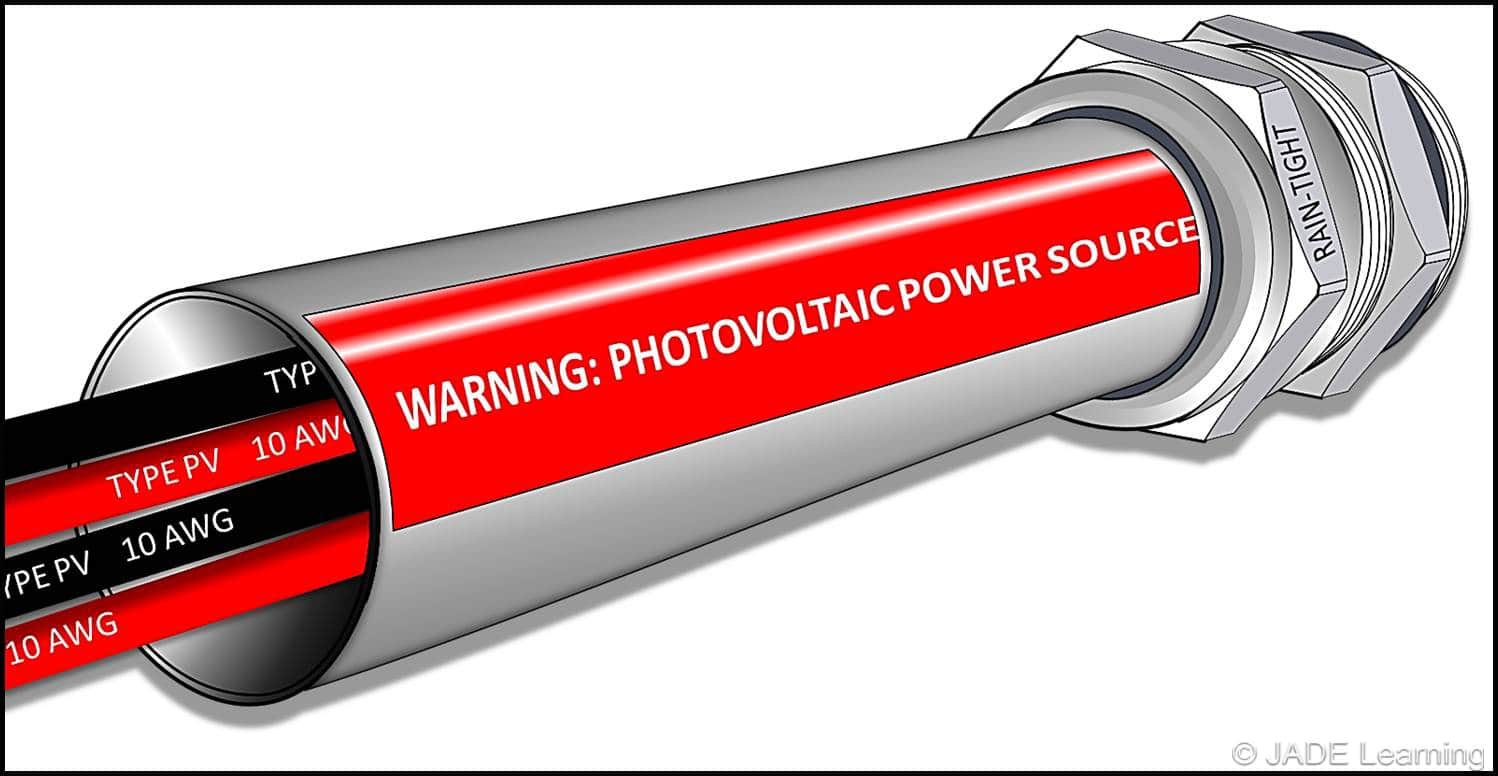
There are many PV system marking and labeling requirements in the NEC. Some markings will be factory applied as required by the product listing and others must be field applied by the installer
May 29, 2015
A PV system is useless until it gets connected into the premises wiring system. NEC section 690.64 states that the point of connection for a PV system shall be in accordance with section 705.12. Article 705 provides the rules on how an electric power production source, such as a PV...
Apr 29, 2015
In the past few blog posts we have discussed some of the more important issues related to the PV system including PV modules, PV source circuits, PV output circuits, and inverters. Now let’s talk about PV grounding. Equipment GroundingIn most PV installations, the PV modules are fastened to a metal rack-type...
Mar 31, 2015
An inverter takes the DC current produced by the PV modules and converts it to AC current for connection to the utility grid.
Mar 10, 2015
When wiring PV modules in series (to create a series string of modules), voltage is additive while current remains the same. Series = Adds Voltage. When wiring several strings in parallel, the result is the opposite; voltage remains the same while current is additive.
Dec 29, 2014
Here are the 6 most common violations that inspectors see in an above-grid ceiling inspection:
Sep 26, 2014
If the point of interconnection will be made at a feeder, other than the opposite end of the primary overcurrent protective device (OCPD), then there are two options and both apply only to the portion of feeder on the load side of the inverter output connection.
Aug 22, 2014
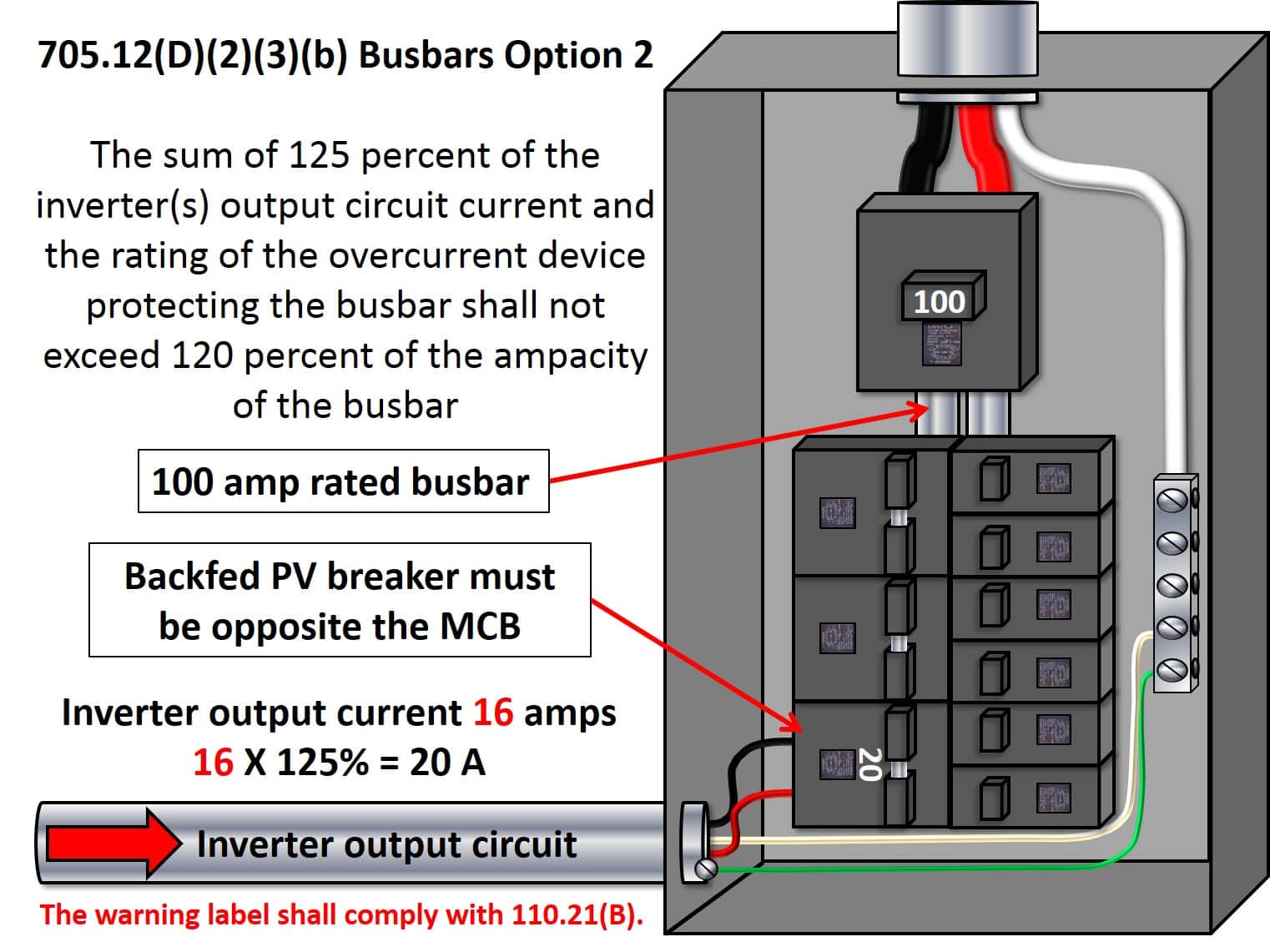
Let’s start out with the first basic requirement in 705.12(D)(2): 125% of the inverter output circuit current must be used for the ampacity calculations for most of the interconnection methods used. Whether interconnecting the Inverter Output Circuit through a breaker at the service panel or directly to a feeder, it is important to first know the inverter output circuit current.
Jul 15, 2014
In the Summer Newsletter article, we discussed marking our service equipment with the maximum Available Fault Current (AFC) as well as the date the fault current calculation was performed to comply with NEC 110.24(A). We selected circuit breakers with an AIC rating equal to or greater than the AFC. So...
Jun 12, 2013
Today John Hauck and David Burtt discuss the identification of equipment grounding conductors according to the 2011 National Electrical Code. This is part 3 of a 3 part series on identifying conductors. How are equipment grounding conductors identified?250.119. Equipment grounding conductors can be bare, covered or insulated. If insulated...
May 23, 2013
Today John Hauck and David Burtt discuss the identification of grounded conductors according to the 2011 National Electrical Code. This is part 2 of a 3 part series on identifying conductors. How are grounded conductors required to be identified?200.6(A). In sizes No. 6 AWG and smaller, an insulated grounded...
May 16, 2013
Today John Hauck and David Burtt discuss the identification of ungrounded conductors according to the 2011 National Electrical Code. This is part 1 of a 3 part series on identifying conductors. Does the National Electrical Code have a required color code? No. The National Electrical Code does not have a...
Apr 04, 2013
Corrugated stainless steel tubing (CSST), is used to convey flammable gas inside or outside of a building. It is not mentioned in the 2011 NEC by name, but Informational Note No. 2 to 250.104(B) cites NFPA 54, the National Fuel Gas Code, as a source for additional information for gas...
Mar 08, 2013
A common application of multiwire branch circuits as described in section 210.4 is for a 120/240-volt, single-phase system where three wires do the work of four, the two ungrounded conductors sharing a single neutral. In a 20 amp multiwire branch circuit if the two ungrounded conductors each carry 15 amps, some people think the neutral carries 30 amps, or the combined total of the current on each ungrounded conductor.
Jan 03, 2013
Marking the maximum available current and the calculation date on the service equipment makes it much easier to confirm the interrupting rating of the equipment.