Aug 30, 2022
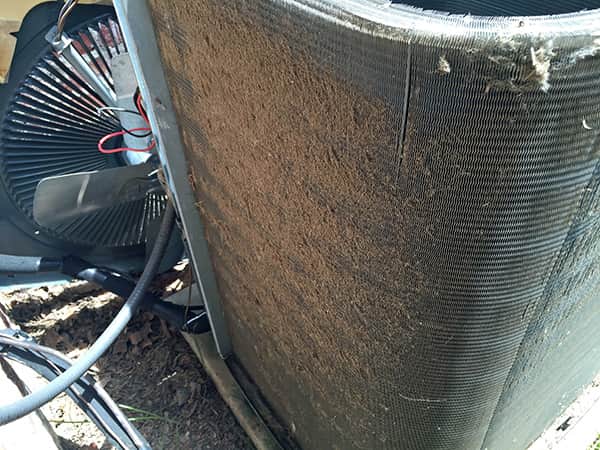
To transfer heat efficiently, air conditioning coil surfaces need to be kept clean, as dirt and debris not only inhibit air flow across the coil, but they also decrease the thermal conductivity of the surface area. Here are some important things to remember when performing summer air conditioning maintenance programs.
Jul 26, 2022
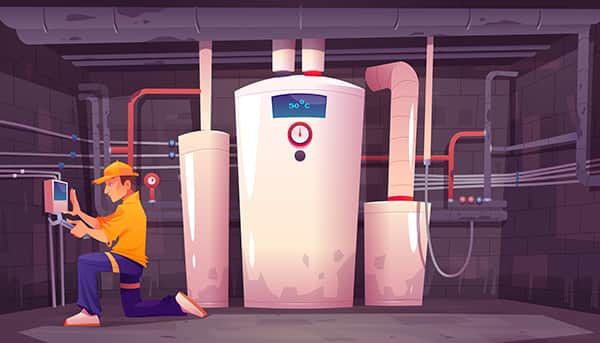
Summer is the perfect time to inspect your boiler and ensure it works properly during the winter months. Here are some fireside and waterside inspection tips!

Jul 06, 2022
New air source heat pump technology has come a long way, but there's still a lot of work to be done to increase efficiency in northern climates!

Jun 01, 2022
Troubleshooting of HVACR systems and equipment can often become a time-consuming, frustrating process. Here are some fundamental concepts that can help anyone become a more proficient troubleshooter.
May 06, 2022
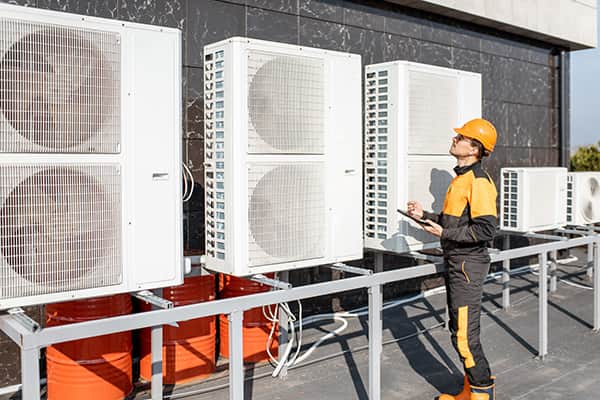
In this blog, Gary explains SEER ratings, including the upcoming 2023 changes, as well as the overall impact of efficiency metrics on the HVACR industry.
Apr 06, 2022
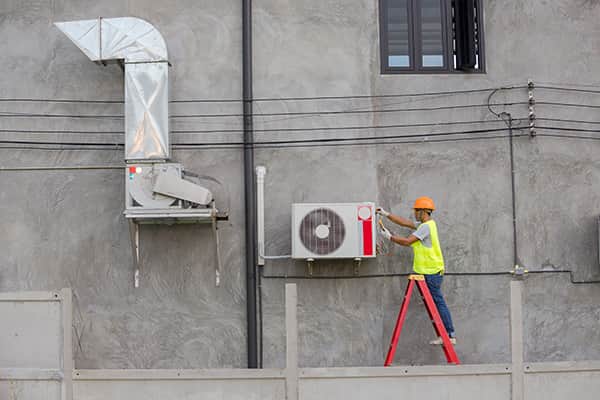
To ensure refrigerants cause as little environmental damage as possible, manufacturers and HVAC-R technicians need to train and work together as changes develop.
Mar 03, 2022
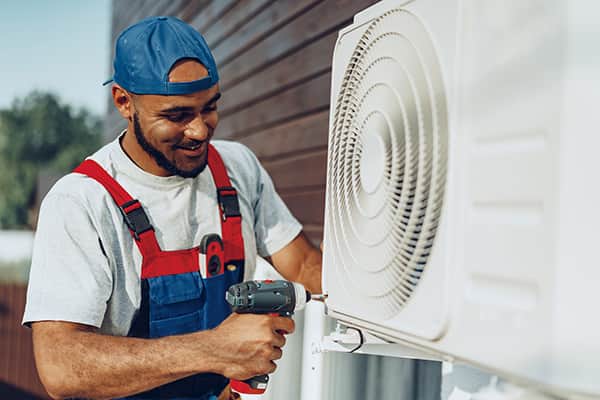
Follow these five steps to set up a routine service program with your customer that will be beneficial to the equipment owner and the service company.
Feb 08, 2022
Our children are our future, the next generation of Americans to serve as responsible, educated adults. And yet, we send them off to school every day, or at least we always used to, with little regard for the condition of the buildings where they hopefully receive a decent education. Students...

Jan 05, 2022
The pandemic known as COVID-19 is all around us, never more than a miniscule moment away from our conscious thought. There is little doubt that particles within the air can carry disease. The transmission of germs from one human to another through the air we breathe is now readily recognized...
Dec 06, 2021
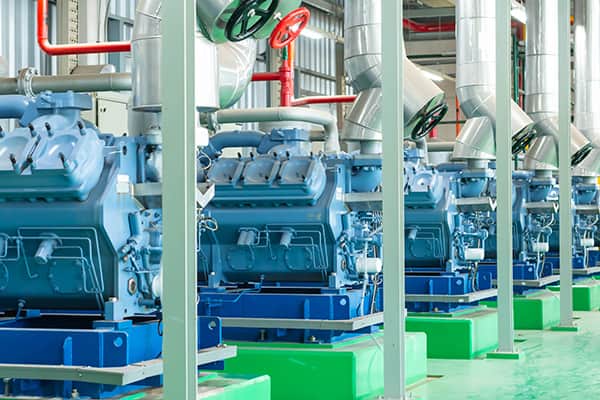
News outlets run stories on climate change, global warming, and greenhouse gases daily. Cars are becoming electrified, cities are moving away from fossil fuels, and power plants are phasing out coal. Refrigerants are not left out of this climate conversation, and even though a major change was made in the...
Nov 03, 2021
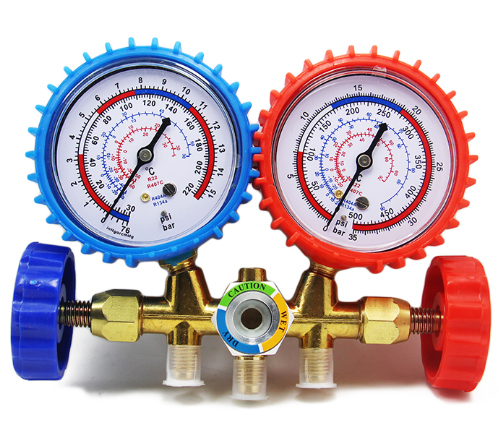
The HVAC industry felt the same impact of COVID-19 that many manufacturers in our national economy have experienced. Shortages in copper, aluminum, plastics, and microchips make it difficult for manufacturers to keep up with demand. Add in the pressure from a robust residential housing market and you get the perfect...
Oct 11, 2021
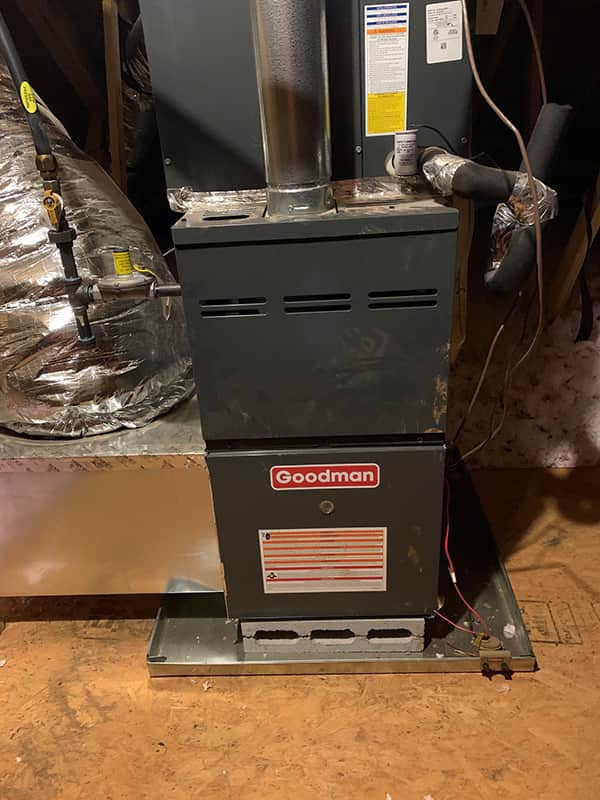
Career opportunities in HVAC and refrigeration are more diverse than many other trade-oriented professions. It is rarely impacted by bumps in the economy and as a result, many lucrative HVAC jobs exist that make rewarding careers. Beginning at the most entry-level position and working our way up, we discuss some of the HVAC career options in our blog.

Sep 02, 2021
Recently there has been a lot of news from the U.S. Department of Energy (DOE) about smart HVAC diagnostic tools. The DOE and several partners are collaborating to implement a program called The Residential HVAC Smart Diagnostic Tools Campaign. The goal is to promote tools that monitor equipment and give...

Aug 04, 2021
The purpose of the GFCI is to prevent deadly electrical shocks. GFCI’s monitor the balance of electrical current moving through a circuit.
Jun 07, 2021
In this article, we will discuss changes that will impact application, installation, and energy efficiency of mechanical equipment and appliances. Let’s look at five additional changes in the 2021 IMC Code that are significantly different from the past version. Condensate Discharge Whenever condensate drains or lines are connected directly to a plumbing system, serious health hazards can occur. For instance, sewer gas could permeate from the drains and fill the entire space of a structure. To alleviate sewer gas build-up and other health-related issues, the IMC has adopted new language regarding the use of condensate lines. In the new language, except where discharging to grade, condensate lines can be located only in floor sinks, floor drains, trench drains, mop sinks, hub drains, standpipes, utility sinks, or laundry sinks. Direct connections to the sewer system are no longer permitted. Mechanical Ventilation in Apartments Improved language regarding ventilation in apartments (R2 dwellings) can be found in Chapter 4, Ventilation. These dwelling units are required to meet the appropriate air leakage requirements in the International Energy Conservation Code, resulting in minimal air infiltration. Therefore, all dwelling units, such as apartments, must be mechanically ventilated. Openable windows and doors, which typically count as natural ventilation, cannot be the sole source of changing air in the dwelling.

May 05, 2021
In large commercial occupancies such as grocery stores, refrigeration is a necessary part of the business model. Coolers, refrigerators, and freezers line several isles containing produce, frozen food, meat, and dairy products. Connecting these indoor components to compressor and condenser units requires several hundred feet of refrigerant lines. These lines are typically field-installed copper pipe with many brazed joints. Pressure testing connections before beginning equipment startup is essential. The cost of refrigerant, malfunctioning equipment, environmental hazards, and the safety of occupants are good reasons to ensure leakproof refrigeration systems. Additionally, most mechanical codes and the Environmental Protection Agency (EPA) require pressure tests for new piping installations.
Mar 31, 2021
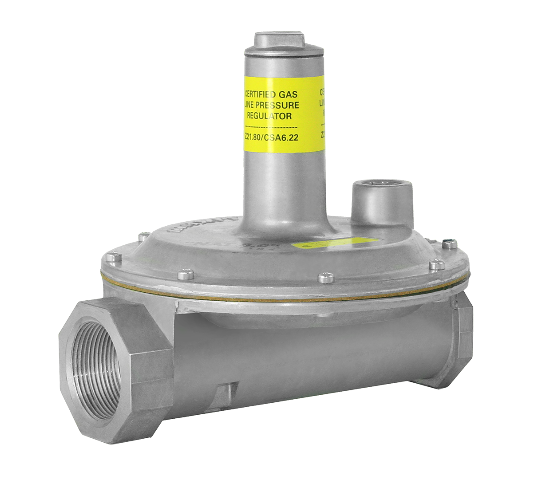
When properly installed, fuel gas is a safe energy source for cooking, heating, clothes drying, and exterior lighting. It is available to serve residential and commercial buildings in the form of natural and liquified petroleum gas. Although these two fuel gases have different characteristics and work under slightly different manifold pressures, appliances can be converted to use either type. Adequately sizing the gas delivery piping is mandatory for safe operation. The piping cannot leak and must provide enough fuel for combustion to each appliance burner.
Mar 02, 2021
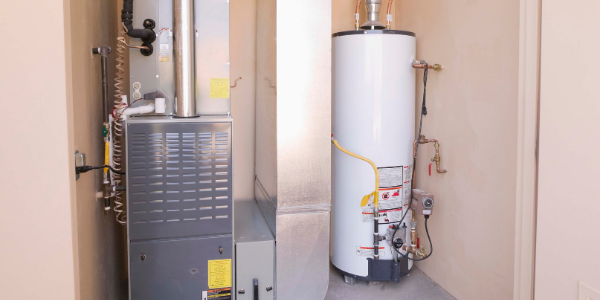
A vent is defined as a pipe or conduit that contains a passageway for conveying combustion products and air to the atmosphere. Products of combustion contain carbon dioxide, water, and sometimes carbon monoxide. Therefore, it is important to safely vent a gas furnace. Modern gas furnaces are available with efficiencies that range from 80% to 98% Annual Fuel Utilization Efficiency (AFUE) ratio. Furnaces that are 90 to 98% AFUE are considered very efficient and utilize a category 4 vent system. This means that the flue gases operate under a positive vent stack pressure with a low vent gas temperature, causing the gases to condense before discharging from the vent. Venting materials used for category 4 furnaces are those recognized by the furnace’s installation instructions such as stainless steel, PVC, and ABS. Furnaces one tier lower in efficiency use more traditional venting methods than the 90+% units. Even though these systems are associated with conventional chimneys and vents, special attention must be given to their installation.
Feb 01, 2021
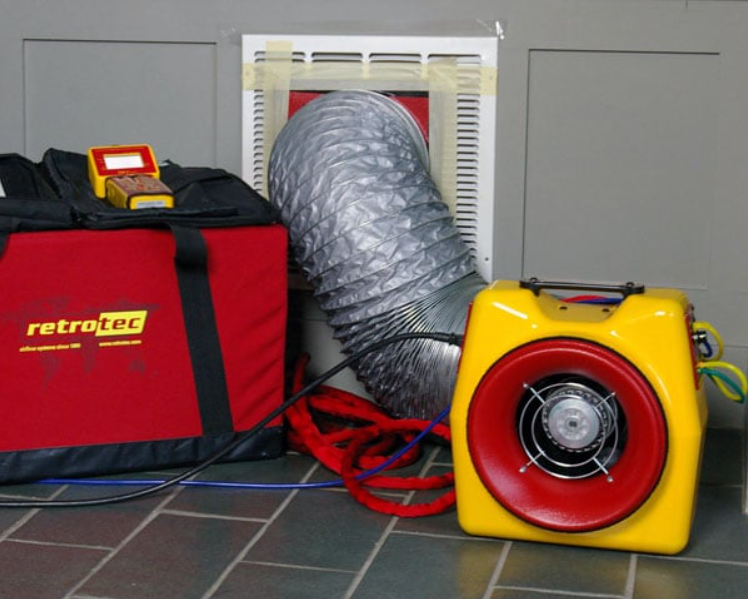
The International Code Commission (ICC) mandated HVAC duct leakage testing for the first time in the 2009 International Energy Conservation Code (IECC). Since the first leakage test requirement was rolled out, extensive testing procedures and equipment have remained in the Code. Obviously, the scope of the IECC is to conserve energy. Leaking conditioned air to unconditioned spaces is wasteful and unnecessary. There are many duct sealing systems available that will fill most of the small openings around duct fittings. To seal ducts and conduct a leakage test, a HVAC contractor, engineer, or HERS rater use these specialized tools and metho

Jan 06, 2021
Phenolic insulation is an alternative to galvanized sheet metal. Many HVAC professionals have turned to this option when installing or replacing duct systems. Learn about some of the pros and cons of phenolic duct systems to determine if it might be right for your project.
Dec 03, 2020
Refrigerants do an efficient job at cooling air inside an HVAC system that is then distributed throughout a home or building. But refrigerants can also do a number on the climate by releasing pollutants and contributing to the depletion of the ozone layer.
Nov 04, 2020
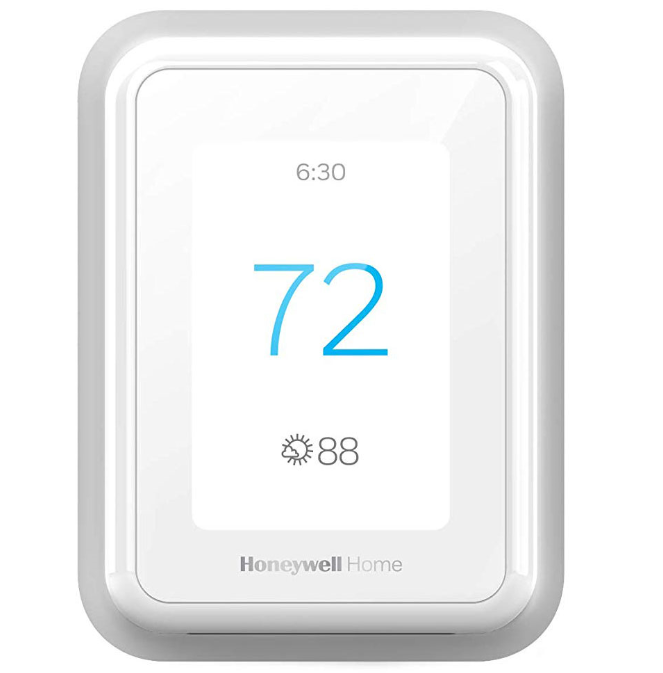
Thermostats have changed a whole lot in the last 20 years. Gone are the mercury bulbs and long levers. Even first-generation programmable thermostats are second class to the newest variety. Thermostats such as Google Nest, Honeywell T9, and Ecobee lead the way with the latest features for home comfort and energy savings. Smart thermostats make it easy to get comfortable. These devices can be controlled remotely with a phone, tablet, or computer, and even utilize their own intelligence to keep a home’s temperature right where the owner wants it. How about a thermostat that you can talk to? It’s available with some of the smart thermostats. Because these thermostats are WIFI enabled, programming them to work with the different “talking” services can be easy. You can tell the thermostat you are leaving, which would reduce the system run time while you were away. You could tell the thermostat you were going on a vacation. This command indicates the home is unoccupied and will not need the same comfort conditions, thereby saving energy. Or, you could just say “Alexa, set the temperature to 77 degrees.”
Sep 30, 2020
The world continues to move in the direction of sustainable energy, and HVAC systems are no exception. Three types of systems in particular — DeVap, Solar, and Geothermal — are serving on the front lines of the HVAC fight against nonrenewable energy. Learn the basics of each type of system and how they promote a more comfortable environment inside and a more sustainable one outside.

Sep 10, 2020
Sometimes it takes a dramatic event to institute real change. In the case of the COVID-19 pandemic, building ventilation systems could potentially be forever changed. Here, we attempt to predict how ventilation systems might evolve in the aftermath of the coronavirus and what those changes will mean for HVAC professionals. What...
Sep 09, 2020
Sometimes it takes a dramatic event to institute real change. In the case of the COVID-19 pandemic, building ventilation systems could potentially be forever changed. Here, we attempt to predict how ventilation systems might evolve in the aftermath of the coronavirus and what those changes will mean for HVAC professionals.

Aug 05, 2020
If you have a newfound interest in Heating and Air-Conditioning, whether as a hobbyist, a DIY homeowner, or as a career-minded technician, here is some information that can help you become more familiar with basic HVAC concepts and components.
Jun 30, 2020
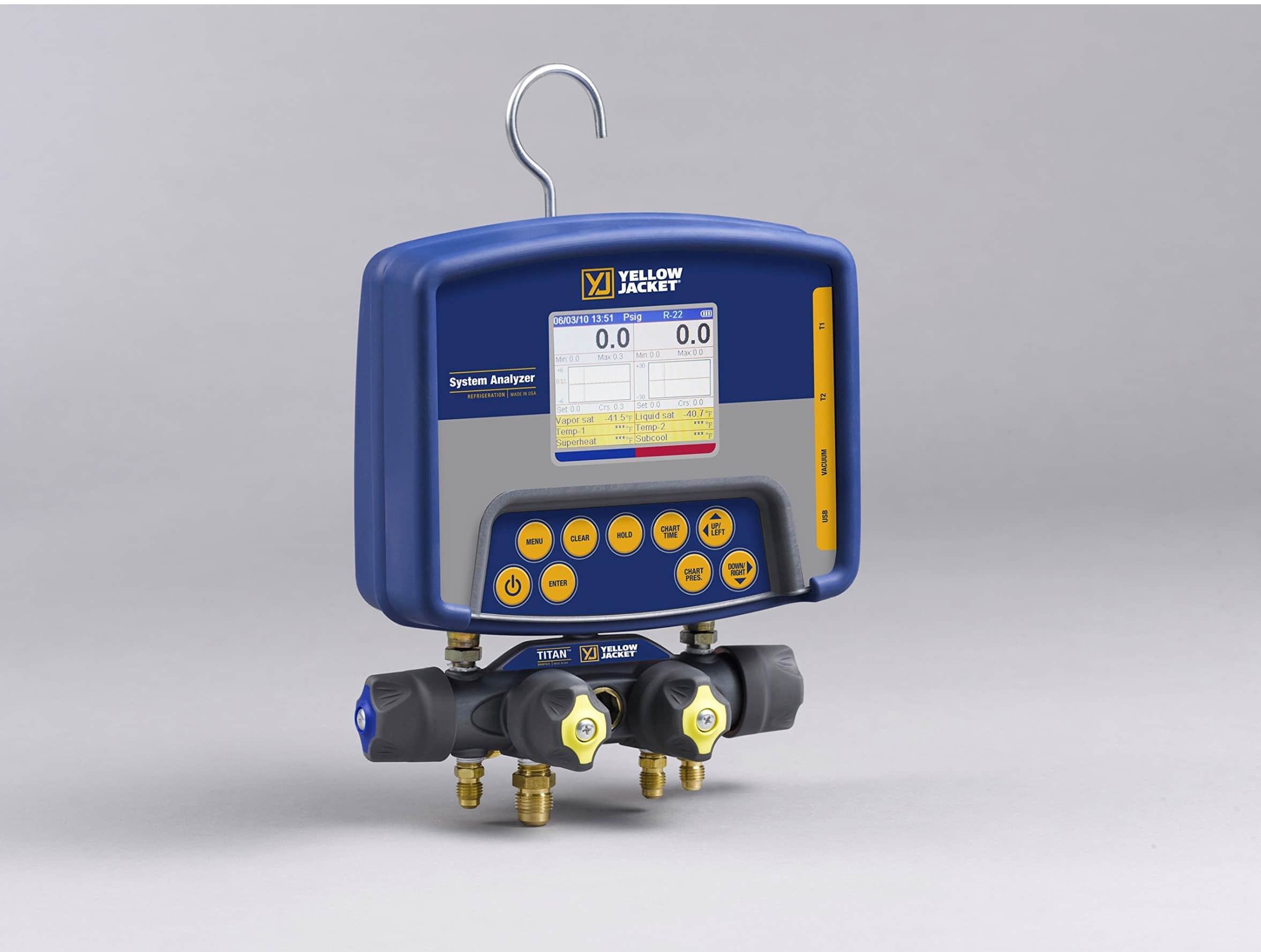
Just as a doctor needs diagnostic tools for the human body’s electrical and hydraulic systems, the HVAC technician requires tools to “look” inside air conditioning and refrigeration circuits. When large HVAC commercial systems are down, the technician feels the pressure to get systems back online. It takes a well-trained professional to properly repair big commercial refrigeration and air conditioning installations. Having high quality diagnostic equipment is the technician’s best friend for getting things fixed and working faster. Here are some examples of todays most advanced tools for HVAC troubleshooting.
Jun 03, 2020
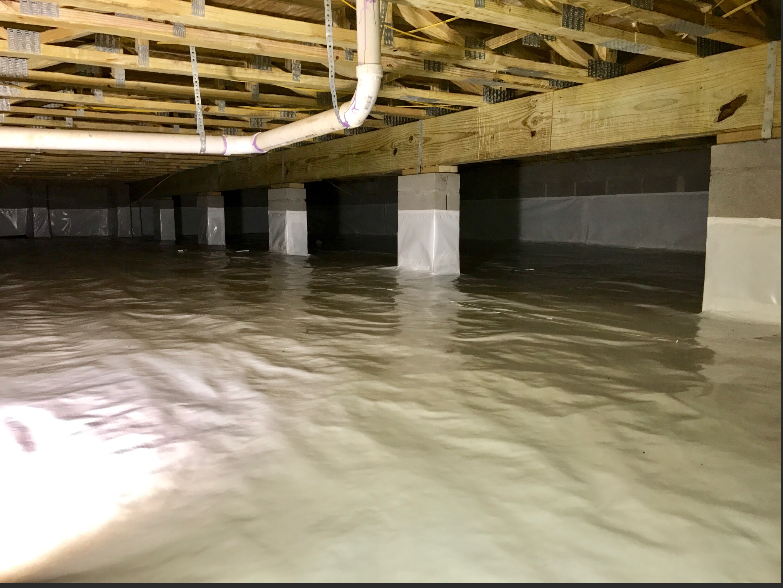
Its 95 degrees on a hot, humid day. A service repairman, working on your HVAC, opens the door to your vented crawlspace. He observes ductwork dripping with water, mold on floor joist, and termite tunnels on the crawlspace walls. He services your air conditioner and recommends you call an exterminator. Why are you having all these issues in your crawlspace? Could it be that the naturally vented crawlspace doesn’t work anymore? Some people would say, it never worked. Why is this?
May 05, 2020
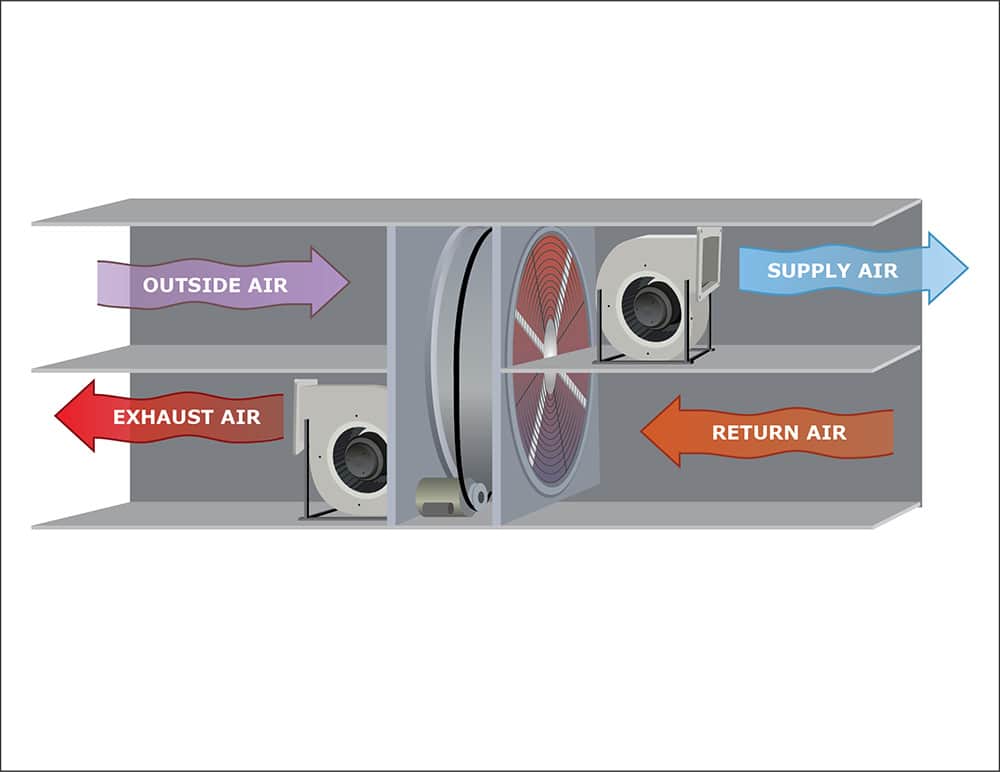
When we see the acronym HVAC, most only think of heating and air conditioning. But the V is for ventilation, an important role when considering the air quality in buildings. Indoor air quality is achieved through ventilating and filtering air in a space. The International Mechanical Code’s definition of ventilation is “The natural or mechanical process of supplying conditioned or unconditioned air to, or removing such air from, a space.” When we supply fresh air to spaces and remove stale air, we improve the breathing air quality for the occupants. When air is “conditioned”, it means several things that include removing or adding heat, cleaning the air, removing moisture, and replacing air.

Apr 06, 2020
In the recent past, a mechanical contractor could install very inefficient appliances and equipment with no thought to energy costs. Energy rates were cheap; therefore, mechanical codes did not address energy usage. Mechanical code emphasis was on installation integrity, clearance to combustibles, and service space requirements. The installed equipment was very heavy and overbuilt. That all changed in the late 20th century due to several economic and environmental factors. These factors created a new buzzword: energy conservation.
Mar 04, 2020
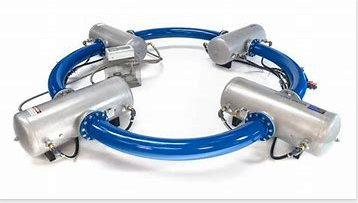
What if a refrigeration system could exist without a mechanical compressor, oil, or the typical blended refrigerant? A totally new design that required much less electricity to operate? Components of the system consist of an inert gas and large pressure vessels connected by pipes. This mechanism would be based on thermoacoustic principles that had very few moving parts. Considering the environmental issues faced today, wouldn’t it be an amazing achievement?
Feb 04, 2020
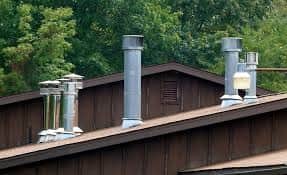
The combining of fuel, air and an ignition source creates combustion. This combustion process is utilized in furnaces and water heaters to heat air or water. Byproducts of combustion are carbon dioxide, water, occasionally carbon monoxide and other gases.
Jan 07, 2020
According to industry experts there are over 100,000 HVAC contractors currently doing business in the U.S. However, statistics show that 50% of small business startups fail within the first year and 95% fail within five years. Therefore, the 100,000 plus contractors successfully doing business have figured a thing or two out. Let’s look at some standard business practices of these HVAC companies that keep them profitable and out of the failure statistics.

Dec 02, 2019
The mini-split heating and cooling system was an idea that evolved from the basic window air conditioner. Window units are simple installations that offer room by room temperature control if enough are installed. However, window units are noisy. To minimize noise, the window unit compressor was moved to a remote location using refrigerant lines to connect to the inside fan-coil. As a result, the mini-split system was born. This product first saw mass appeal in Asian markets. Today these systems are found throughout the world and has become a big player in the domestic HVAC market.
Sep 26, 2019
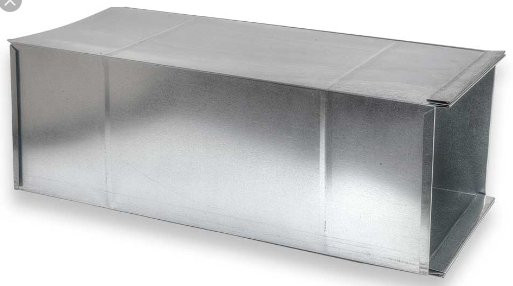
When homeowners receive quotes from HVAC contractors, they typically are given two duct replacement options, sheet metal or fiberglass duct board. There is a third option, phenolic duct, that is made of plastic foam with a foil liner on the inside and exterior. It hasn’t been on the market long enough to weigh in on its merits and shortcomings and will not be included in this comparison. Homeowners usually go for the product their HVAC contractor recommends; however, all systems have their strengths and weaknesses. Here are the advantages and disadvantages of two of these materials when installed in the typical residence.
Aug 29, 2019
The Refrigeration, Heating, Ventilating, and Air Conditioning industries (HVACR) are still growing even though they have been in existence for about 150 years. Hundreds of refrigeration uses including fresh food preservation, air-conditioning, and cryogenics should propel the industry well into the next millennium. That kind of growth sounds like a man power issue doesn’t it? So, lets discuss what it takes to be a HVACR technician.
Aug 07, 2019
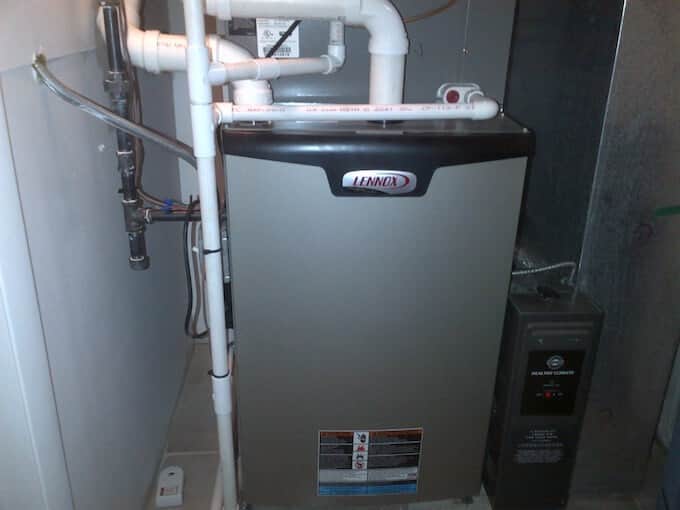
It’s mid-January and 15 degrees outside. A fresh snow has fallen and covered all the roads and yards in your neighborhood. Thanks to your natural gas furnace, your home is a toasty 70 degrees. This is because a properly installed gas furnace has a large temperature rise that heats your home quickly and works very well on high demand days. Could it be possible that a new gas furnace will be unavailable as a home heating appliance in the coming decades? Not only is it possible, it is probable.
Jul 02, 2019
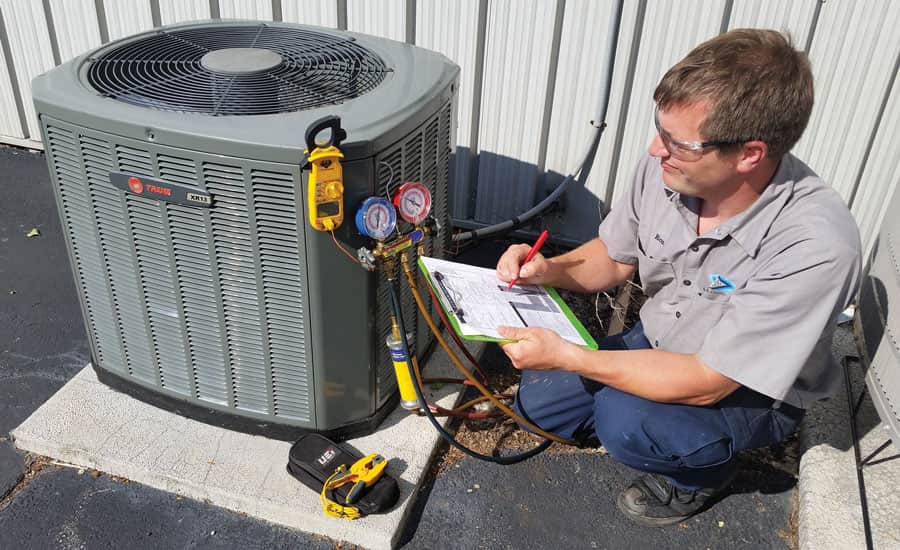
There is an old joke among HVAC contractors. When bidding on a replacement system for a customer, step back 100 feet from the house and hold up your hand. If three fingers will block the view of the house, install a three-ton unit. If it takes four fingers to block the view, then install a four-ton unit. That meager attempt at humor does highlight an issue that has been kicked around since the beginning of the industry. Are load calculations necessary? If so, how do you properly size a heating and air conditioning system for a house or commercial building?
Jun 05, 2019
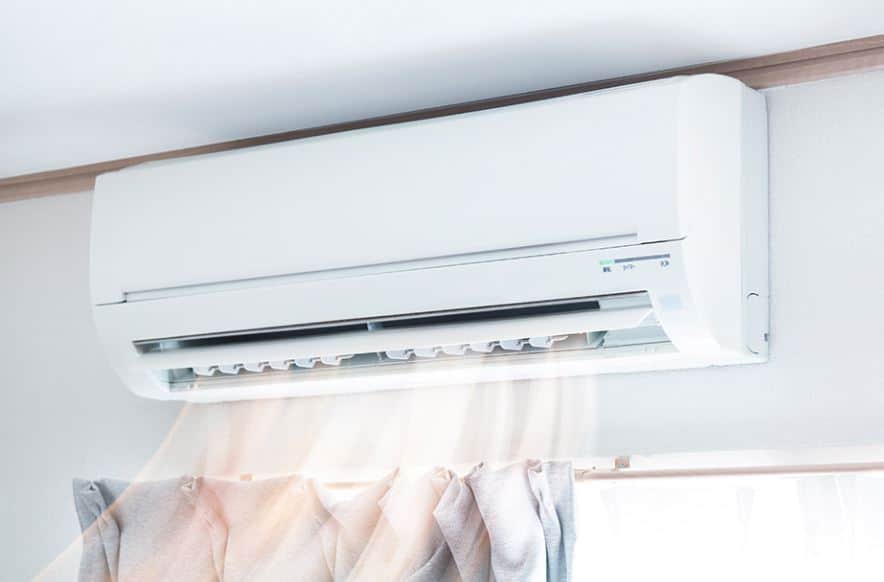
Back in the rural south, around 1940, power companies would mail flyers to their customers at the beginning of summer. These flyers would give tips on how to stay cool during the hottest days ahead. Some of the tips were; grow ample shade around your residence, stay inside during the hottest part of the day, use open windows for increased air circulation, and keep wet towels available to cool your forehead and neck. Homes, in those days, were designed to facilitate air movement. Large porches and arched ceilings in hallways enhanced air currents that moved freely through the structure. These conditions were the norm for homeowners before the availability of affordable air conditioning.
Mar 21, 2019
There are quite a few challenges to hurdle over when installing or upgrading HVAC systems for historic buildings. A major dilemma arises for HVAC technicians when you are charged with the task of providing a system that meets the needs of those occupying the building while also preserving as much...
Mar 01, 2019
Commercial HVACR systems make up a large portion of a building’s energy demands and need regular maintenance to operate at peak efficiency. Even with the best care, your HVACR system can develop problems that impact air and temperature quality, increase energy consumption, or damage system components. Common concerns with commercial...

Aug 22, 2018
The first step to renewing your Alabama HACR license is to determine your expiration date. Alabama Heating, AC, & Refrigeration Contractors are required to complete 4 hours of continuing education every year before December 31st....