May 06, 2022
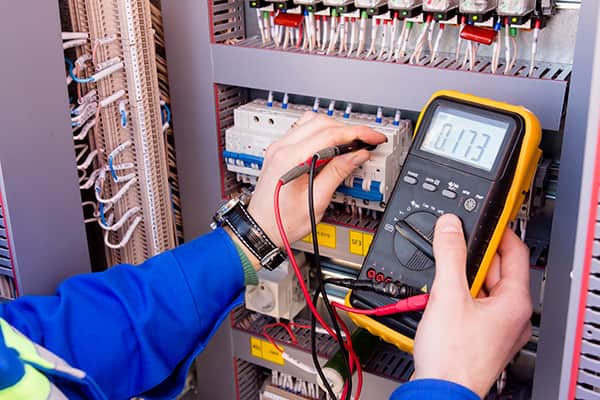
Using a multimeter tool incorrectly can cause severe injury or even death. In this blog we review some common multimeter safety practices!
Mar 03, 2022
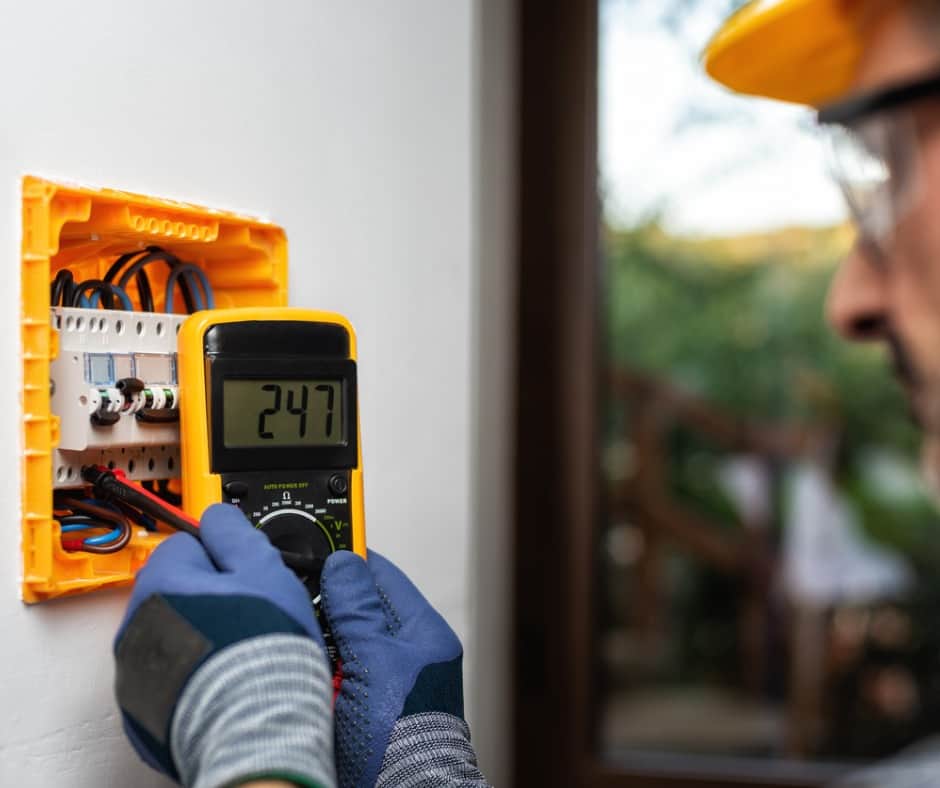
How do we know if our single ground rod has the proper earth resistance? We don’t know unless we have a ground resistance tester and know how to use it. So let’s look at how we perform this test.
Feb 10, 2022
Not too many times, when speaking about the National Electrical Code, do we hear the phrase “as many as you want” or “unlimited.” However, when talking about a 15-amp 120-volt convenience outlet branch circuit in a dwelling, we can say those phrases, because it is true! We can install an...
Nov 03, 2021
By the time the company makes it to the job site, considerable time and money have already been spent on the project. The electrical foreman has many responsibilities and can single-handedly be the cause of a failed project. The foreman needs to be the National Electrical Code guru, assistant to the Project Manager, Human Resources liaison, team coach, and much more. Like other positions in the field, the electrical foreman needs continuous training to keep on top of the game. Here are four easy steps for managing an electrical job site.
Sep 16, 2021
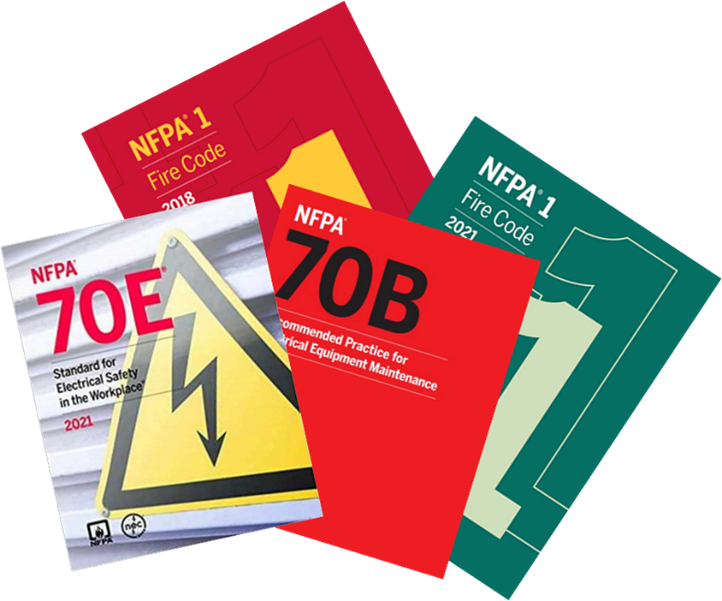
If I were to tell you the new NFPA 70E: Standard for Electrical Safety in the Workplace is available in both digital and hardcopy and includes new requirements for 2021 that are simply the bee’s knees, would you run out and get yourself a copy? Would you phone your friends...
May 05, 2021
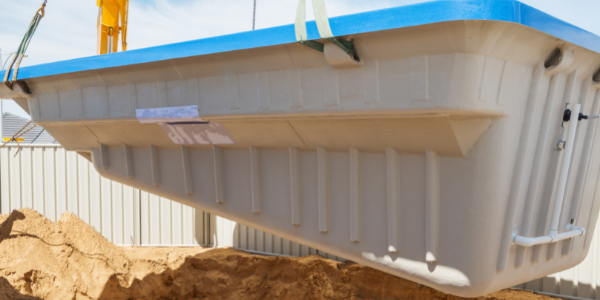
The average consumer does not understand the potential dangers related to electricity and pools, so they rely on you, the electrical professional, to do it right. There have been 98 verifiable water deaths from electricity since 1986, but that is likely just the tip of a very large iceberg. A small amount of current can cause muscular paralysis and drowning. We have put together a basic checklist for electrical safety-related to pools. This list is not exhaustive. We will focus our attention on three important areas: grounding and equipotential bonding, GFCI protection, and corrosive environments.
Oct 05, 2020
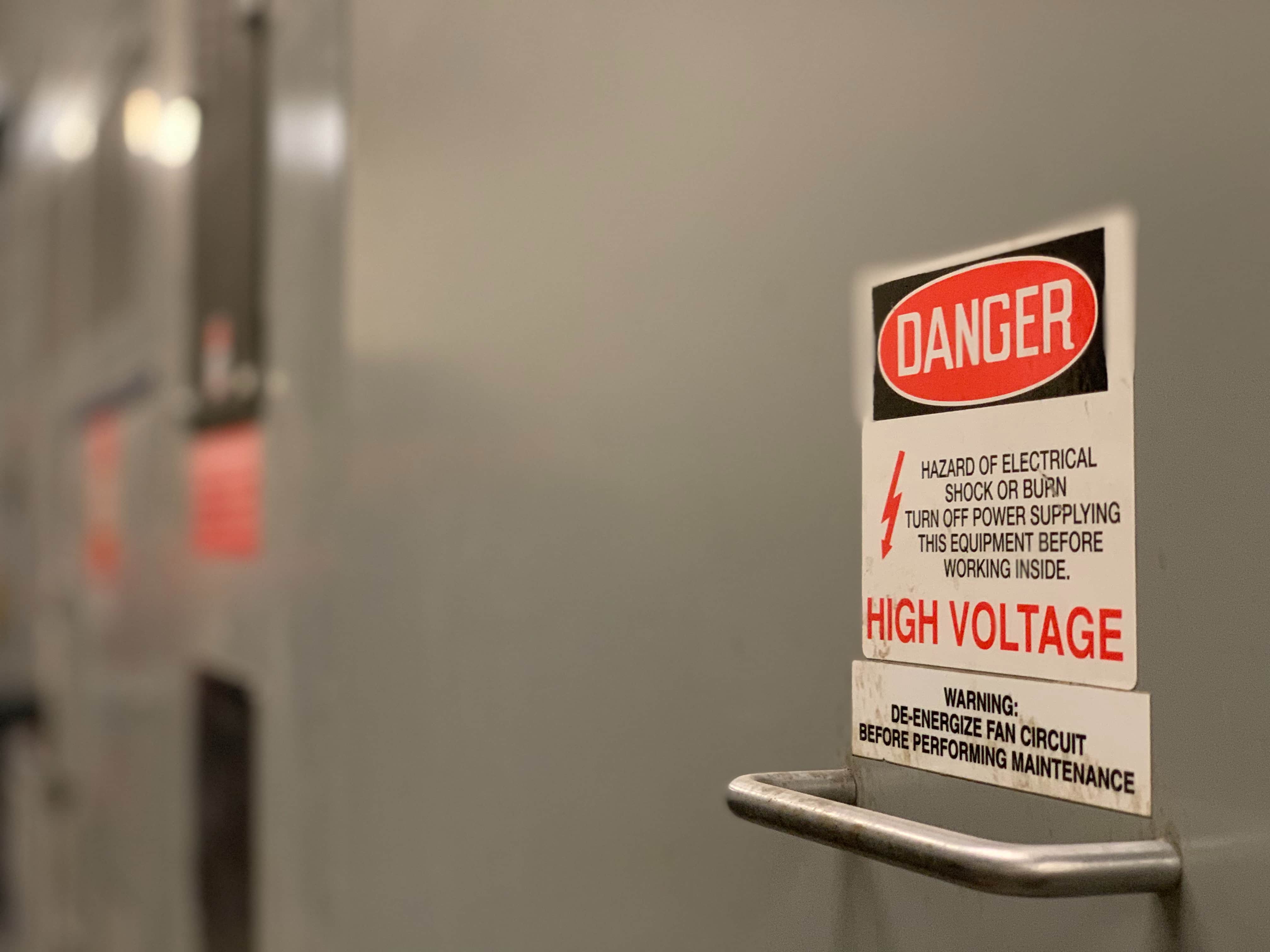
Each morning your average electrical foreman and crew begin their day with a meeting. This Job Hazard Analysis (JHA) meeting is the most important meeting of the day and can mean the difference between life and death. Many of the workers are barely awake and just halfway through their energy drink. Some foremen will choose to rush through or even skip this event so they can get a jump start on the day. The owners of the company, the safety manager, and the elite crew members want to have this meeting and want it to be meaningful. OSHA says you should perform this JHA meeting every workday to keep your workers safe. Let’s look at how we can start the day off right.

Jan 09, 2019
What are your responsibilities concerning meeting the requirements set by the Occupational Safety and Health Administration (OSHA)? The Occupational Safety and Health Act of 1970 was put into law and Congress created the Occupational Safety and Health Administration (OSHA) to assure safe and healthful working conditions for working men and...
Nov 12, 2018
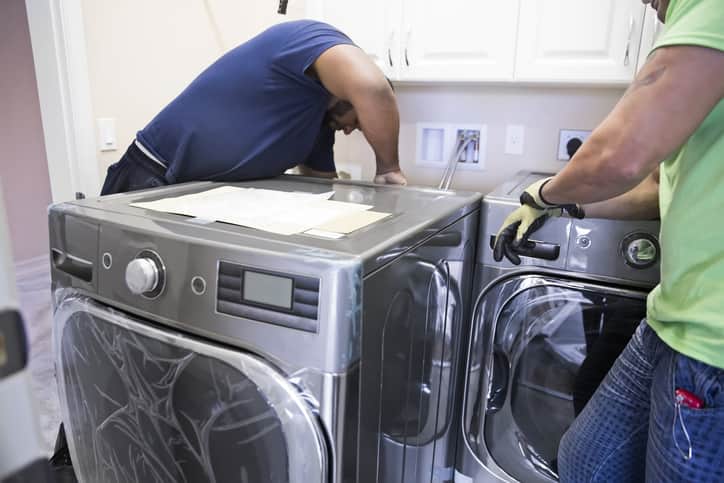
This article takes a look at the NEC 2017, Section 210.8. We'll answer questions about GFCI and AFCI protection as it relates to residential washing machines.
Sep 18, 2018
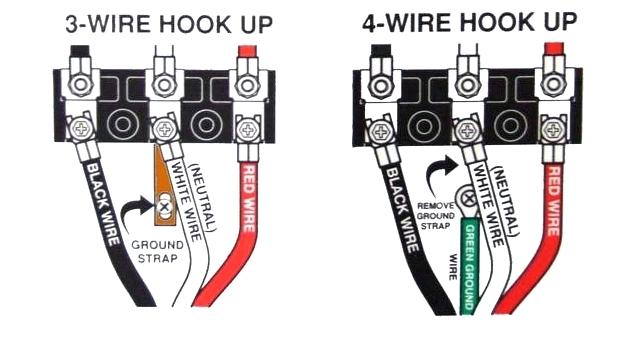
Modern clothes dryers often have a bonding strap in place that connects the metal housing of the dryer to the neutral lug of the cord attachment terminals, in case the installer is using the 3-wire cord method.
Jul 17, 2018
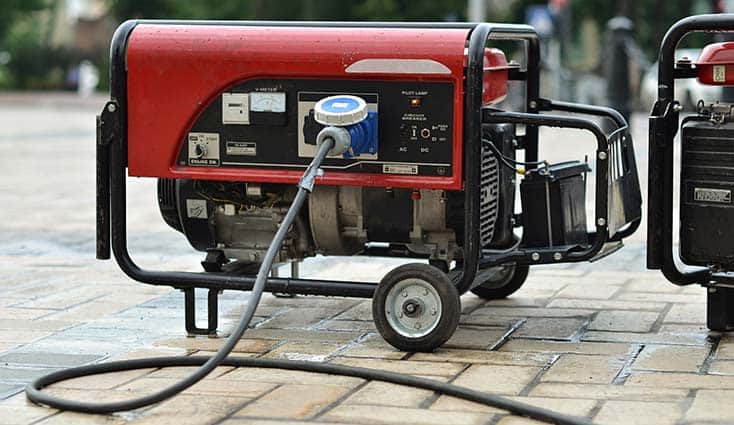
Portable generators are useful for when temporary or remote power is needed. Knowing when to ground a generator is critical for operator safety.
May 07, 2018
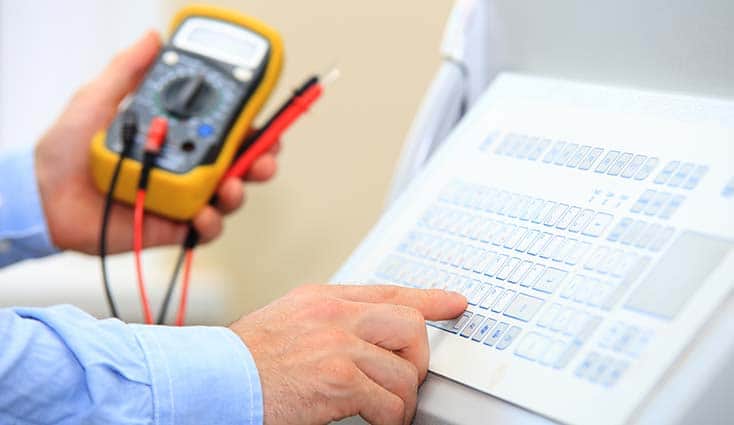
The 2018 edition of NFPA 70E, Standard for Electrical Safety in the Workplace has been extensively revised and significant new requirements have been added. Electricity is the most pervasive energy source present in the workplace and can present an extremely dangerous hazard to those who must work in proximity to energized conductors or energized circuit parts.
Feb 12, 2018
The 2018 edition of NFPA 70E: Standard for Electrical Safety in the Workplace contains many changes, text has been revised, some requirements have been relocated or deleted, and new material has been added. The common point of all changes is to make the standard easier for both employers and employees to understand and apply in the workplace. For example, Section 105.3 has been revised to separate the employer and employee responsibilities into separate paragraphs. The changes make it clear that electrical safety in the workplace is the result of a partnership between employer and employee. Both must do their part.
Oct 05, 2017
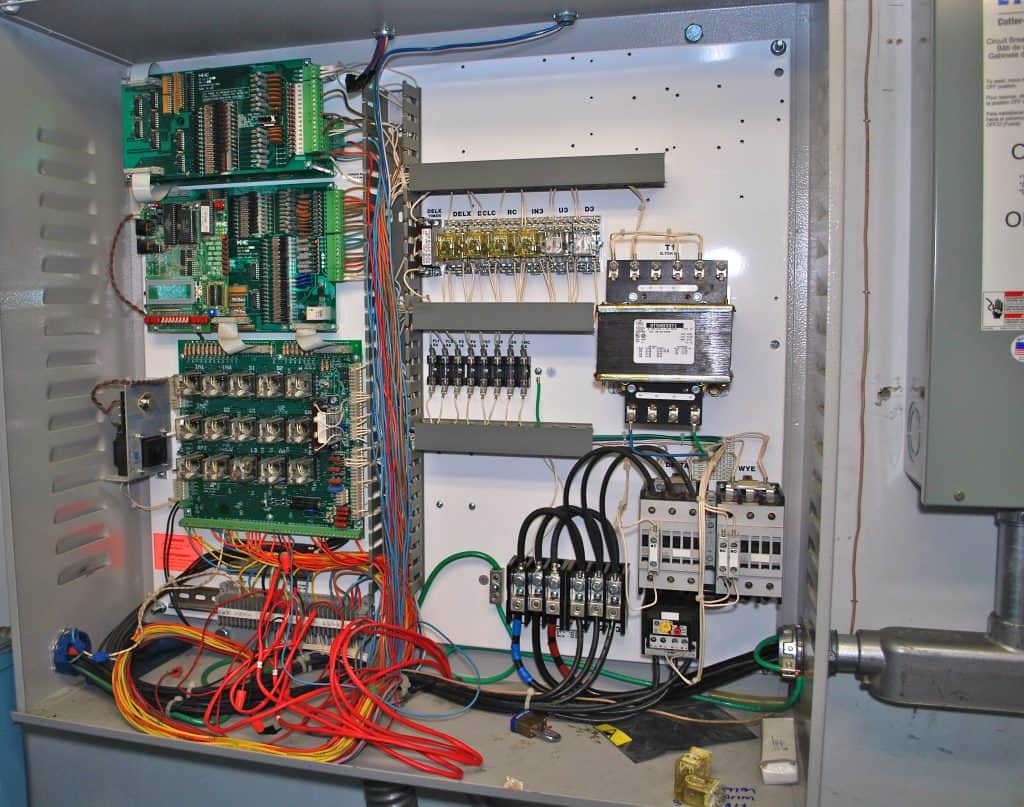
Elevators have become an essential feature of most multistory buildings and are no longer limited only to tall buildings. Elevators provide an accessible and easy means of egress for employees and customers. In certain types of buildings elevators are required by the model building codes or Federal law

May 24, 2017
May is designated as Electrical Safety Month and many organizations and employers take advantage of the focus on electrical safety to emphasize the importance of following safe working practices when working around energized equipment. The month of May is fast passing and the Memorial Day holiday is approaching, but we...
Jul 20, 2015
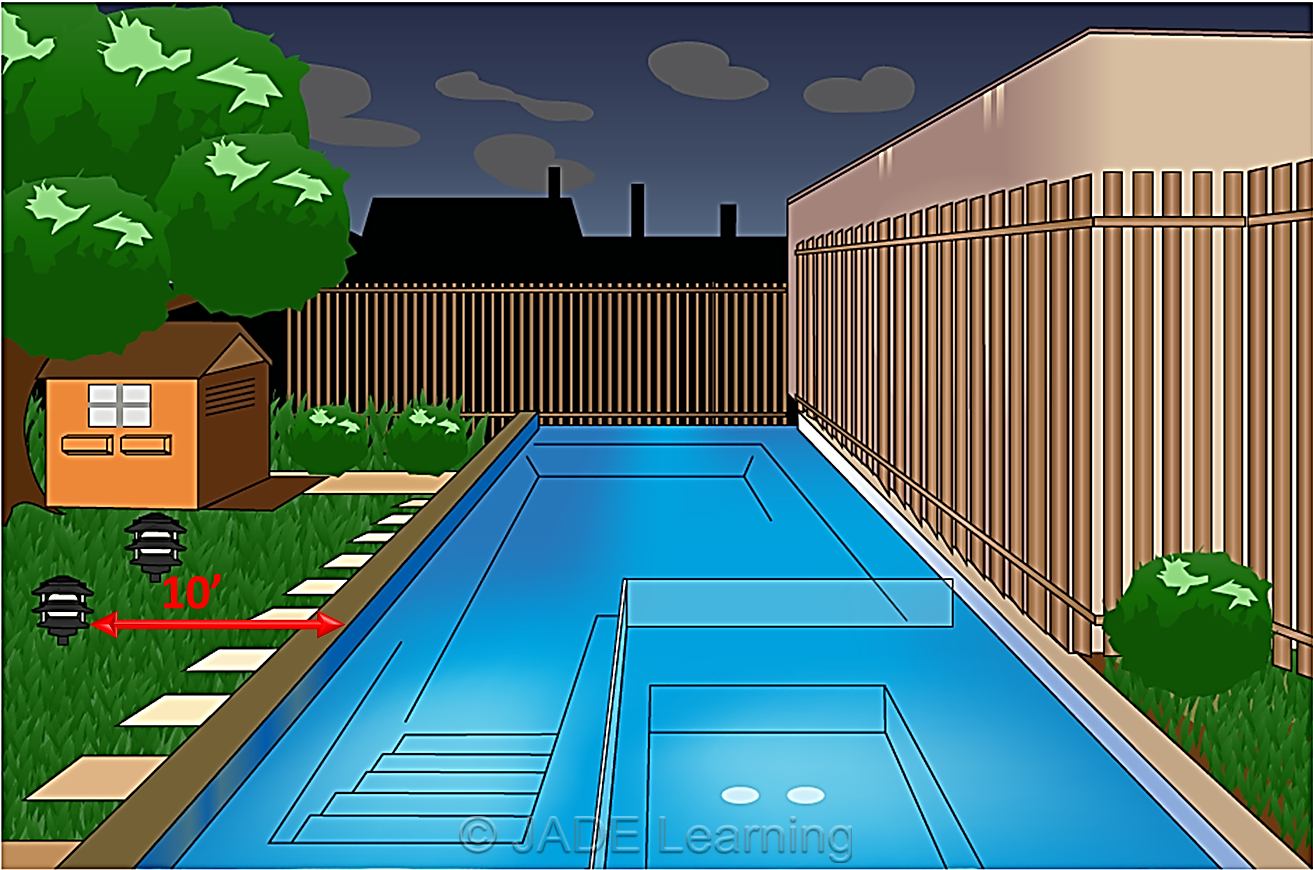
Here are some common items that can cause the electrical inspection to fail at swimming pools.
Jan 30, 2015
Section 110.21(B) states that if caution, warning, danger signs or labels are required by the NEC, the labels shall “adequately” warn of the hazard using effective words and/or colors and/or symbols.
Dec 29, 2014
Here are the 6 most common violations that inspectors see in an above-grid ceiling inspection:
Oct 21, 2014
Here are the top 5 most common problems that arise and how they relate to the NEC:
Jan 04, 2013
Here is a brief look at ten important changes in the 2012 Edition of NFPA 70E.
Jan 03, 2013
Marking the maximum available current and the calculation date on the service equipment makes it much easier to confirm the interrupting rating of the equipment.