May 05, 2021
Our lives have become entwined with the use of plastic products. We are dependent on plastic for clothing, housewares, containers, automobiles, televisions, telephones, cosmetics, and much more. The amount of plastic produced is roughly 300 million metric tons per year. Eventually, these plastic products form large debris fields and are the most prevalent marine debris found in our oceans and great lakes.
May 05, 2021
Preventative maintenance (PM) is a service that offers early warning, brings peace of mind, and allows for revenue generation to security providers. Most Americans, since they began driving a car, know they need to change the oil in a vehicle on a regular basis. Most homeowners perform maintenance on their home on a yearly basis. Americans are used to the concept of PM. Failure to perform PM can be an expensive self-correcting injury; one not to be repeated without suffering. The question is, why would homeowners not want to perform PM of security systems that are entrusted to work at all times? PM and annual testing are generally only offered when required, such as quarterly and for annual fire alarm testing required by an insurance provider. While there are no current PM requirements or annual audit requirements for alarm and/or security systems, this may change in the future.
Apr 13, 2021
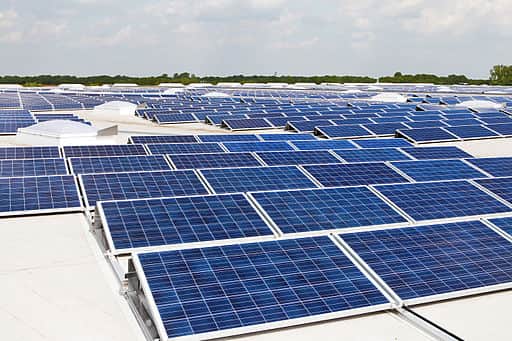
Licensed electricians will be in high demand! It will take licensed electricians to pull the electrical permits and to install all of the solar PV systems.
Apr 06, 2021
The future of the electrical trade is solar PV technology, and the future is upon us.
Mar 31, 2021
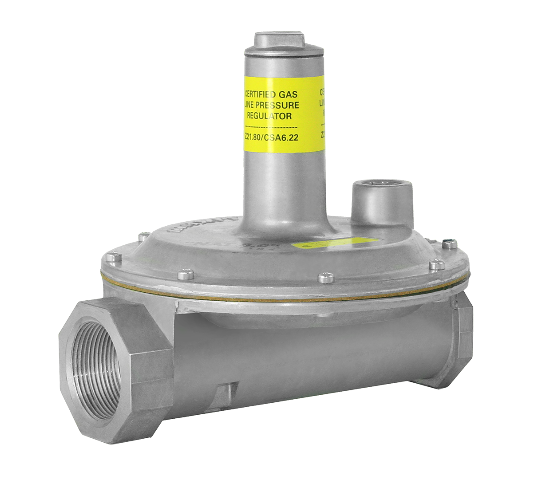
When properly installed, fuel gas is a safe energy source for cooking, heating, clothes drying, and exterior lighting. It is available to serve residential and commercial buildings in the form of natural and liquified petroleum gas. Although these two fuel gases have different characteristics and work under slightly different manifold pressures, appliances can be converted to use either type. Adequately sizing the gas delivery piping is mandatory for safe operation. The piping cannot leak and must provide enough fuel for combustion to each appliance burner.
Mar 31, 2021
One solution to our industry’s dilemma is Solar Photovoltaic (PV) Installations performed by licensed electricians.
Mar 30, 2021
In February 2021, a large winter storm impacted Texas and surrounding states. These areas suffered greatly from the loss of essentials that included food, utilities, and drinking water. Involved states suffered losses in the billions of dollars along with at least 57 storm-related deaths just in Texas. Loss of electricity was central to most suffering and loss of other dependent utilities. In the extreme cold, loss of heat sources for homes and businesses either provided directly by electricity or natural gas left people in danger of succumbing to the cold. Some families died from using their vehicles to warm themselves in closed garages or using their gas stoves to warm their houses.
Mar 25, 2021
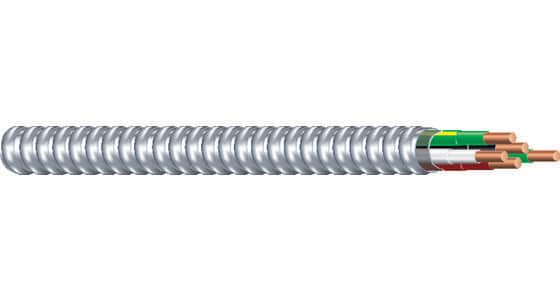
Metal-Clad (MC) Cable is used every day in the electrical industry. The true conduit benders hate it. The value engineering people love it. MC Cable is really a great product, has a wide variety of uses, and can be installed to look good. Let’s take a closer look at this industry workhorse: Metal-Clad Cable. MC Cable Definition MC Cable, by most common definition, is a factory assembly of one or more insulated circuit conductors enclosed in an armor of interlocking metal tape or a smooth or corrugated metal sheath. The smaller cables should be unsheathed by using an armored cutter like the famous “Roto-Split”. The fittings must be listed and identified for use. If the manufacturer provides anti-short bushings, they can be used. The bushings are not an NEC requirement since the listed MC connectors provide the conductor protection from sharp edges.