Feb 01, 2021
There is a looming crisis in the water industry, mainly in plant operating personnel, as the present pool of personnel age out and leave the industry for retirement. Many in the industry are calling it the “Silver Tsunami” as a wave of older personnel leave the industry, taking their knowledge, skills, and certifications with them. It is estimated that over the next ten years between 30% and 50% of these positions will be left vacant. The next ten years will reveal a deficit of operators if something cannot be done to counter the problem. Health and safety issues will arise as the situation continues, due to understaffed facilities with less experienced personnel. The experience and skills gap will get critical sooner rather than later, prompting the need for proactive approaches to the problem now.
Feb 01, 2021
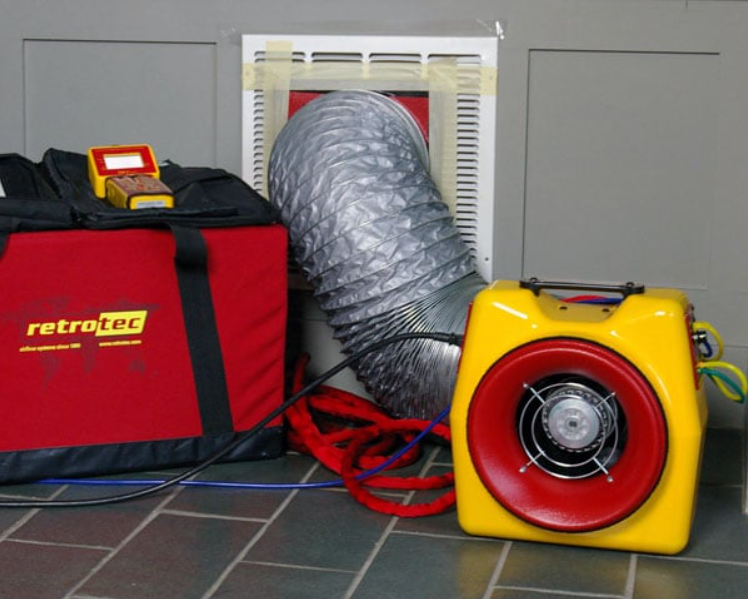
The International Code Commission (ICC) mandated HVAC duct leakage testing for the first time in the 2009 International Energy Conservation Code (IECC). Since the first leakage test requirement was rolled out, extensive testing procedures and equipment have remained in the Code. Obviously, the scope of the IECC is to conserve energy. Leaking conditioned air to unconditioned spaces is wasteful and unnecessary. There are many duct sealing systems available that will fill most of the small openings around duct fittings. To seal ducts and conduct a leakage test, a HVAC contractor, engineer, or HERS rater use these specialized tools and metho
Feb 01, 2021
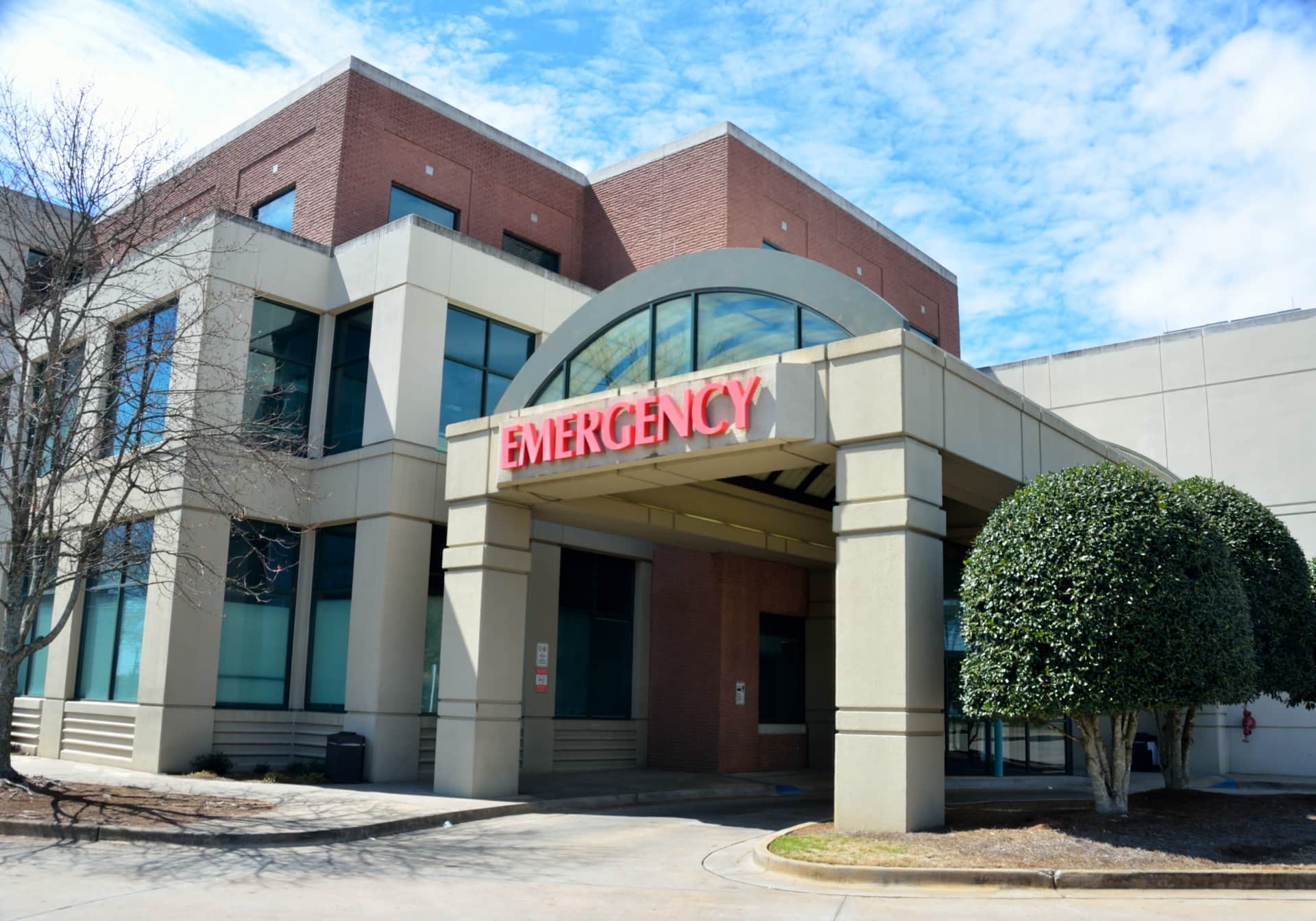
The Healthcare Market is a long sought-after vertical for many Security Integrators. While many facilities are dominated by the national chains, many regional and local security integrators are finding niches that are opening doors into this market. Healthcare brings a constant amount of new business, equipment lifecycle upgrades, and yearly support agreements. It can also bring siloed information, disparate stakeholders, and massive amounts of red tape.
Jan 07, 2021
On a national scale, there are four grades of wastewater treatment plant (WWTP) operator certification; all four grades have different education and experience requirements. These requirements also vary by state. We’ve outlined the general requirements at each grade below. WWTP Experience and Educational Requirements Grade 1 To obtain a Grade...
Jan 07, 2021
We have entered a time where many homeowners are turning their home into a “Smart Home”. Where Kleenex and Band-Aid brand have become the call brand for facial tissue and adhesive bandages; today the “Smart Home” call brands consists of Amazon, Google, and Apple. Today we have doorbells and cameras...
Jan 06, 2021
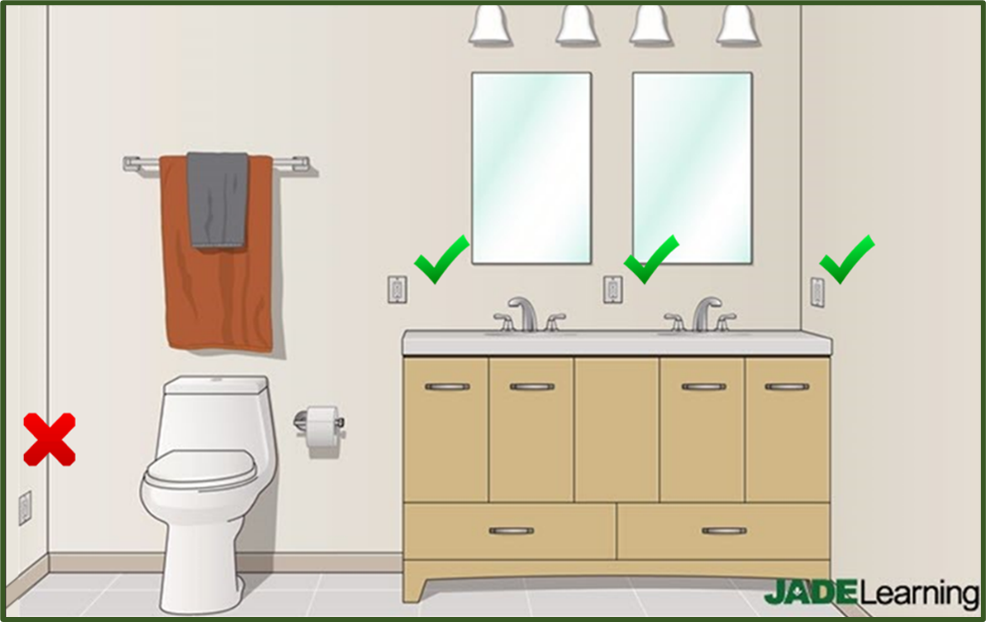
Bathroom branch circuit requirements have changed for the 2020 Code cycle. The one 20-amp branch circuit traditionally required by NEC Section 210.11(C)(3) to feed only receptacles in dwelling unit bathroom(s) is now restricted to feeding only countertop receptacles in those same bathroom(s). The receptacles permitted on this newly defined branch circuit include any countertop receptacles required to be within 3 feet of the bathroom’s sink basin and any other receptacle(s) installed to serve countertops or similar work surfaces in these bathroom(s).
Jan 06, 2021
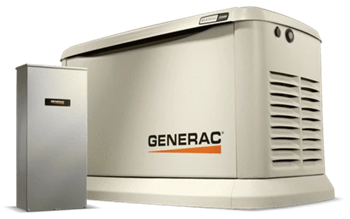
The need for a residential backup generator can vary in different areas of the country. The generator size and installation technique can also vary depending on your level of needed convenience and budget. Let’s take a look at a few different generator installation packages so you can decide what could be the best option for you and your family.
Jan 06, 2021
Phenolic insulation is an alternative to galvanized sheet metal. Many HVAC professionals have turned to this option when installing or replacing duct systems. Learn about some of the pros and cons of phenolic duct systems to determine if it might be right for your project.