Jun 04, 2021
The security industry is continually innovating to meet new and unexpected needs. This is the basis for innovation. One way the security industry has innovated is biometrics. Learn more about the history, legal ramifications, and the future of biometrics in the security industry from our blog.
Jun 02, 2021
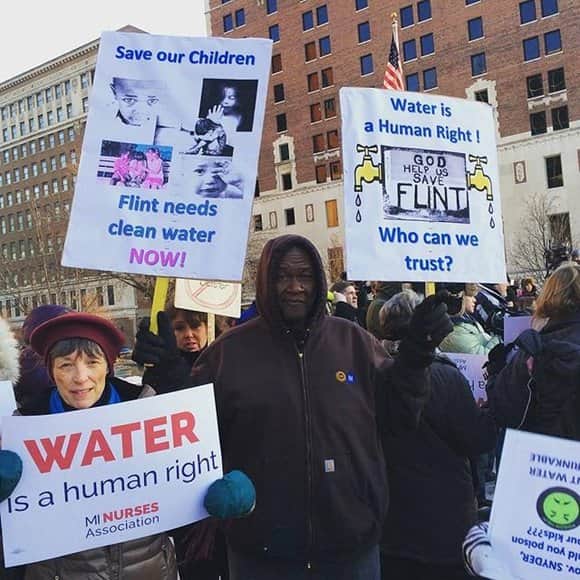
The Flint water crisis began with an overzealous emphasis on the economy. In 2014, declaring a financial emergency, Flint, Michigan Governor Rick Snyder appointed a state of emergency manager to take control of Flint’s finances. The emergency manager was given authority for all things financial. Those outside the water industry may be ignorant to the ramifications of prioritizing the economy over water quality. However, failure to take the necessary actions to ensure acceptable water quality and safety is indefensible.
Jun 02, 2021
Have you thought about where your water comes from? What would do without it? You turn the tap and there is fresh, clean, potable water. The only time it may enter your mind is during the inconvenience of a water shortage, with limited lawn watering and car washing, or the occasional boil water advisory. But what happens if the water is gone, or contaminated? You could use a UV water treatment system to disinfect the water coming into your home, but what if the water never reaches the system? As you're reading through this article, pause and think about life without clean water.
Jun 02, 2021
The World Wildlife Fund (WWF) reports some 1.1 billion people worldwide lack access to water, and a total of 2.7 billion people find water-scarce at least one month of the year. Why are we running out of water? There is an abundance of water, however, the problem is having access to a supply of potable water, or water that is fit for consumption. Even in countries with adequate water resources, water scarcity is still not uncommon. Water shortages can be caused by collapsed infrastructure, failed distribution systems, pollution, poor management, or other economical factors.
Jun 02, 2021
There is no safe level of lead in drinking water, but a zero goal, though laudable, is at present an unattainable goal. The policing of lead in drinking water is generally in the hands of the local utility company until testing reveals lead levels higher than 15 ppb (parts per billion) in 10% of the samples collected in the distribution system. This means the action level for remedial action is 15 ppb. The frequency and number of samples collected is determined by the service population of the utility, history of analysis results, and the success of remedial measures, if they prove to be required. Remedial measures may be avoided by implementing some measures as ongoing treatment regimens, whether there is a problem or not. The chief remedial or preventive actions involve implementing and maintaining a corrosion control program to prevent leaching of regulated metals, such as lead and copper, into the product.
Jun 02, 2021
Electrical contractors come in a wide variety of sizes. Top electrical contractors employ thousands of people and gross hundreds of millions of dollars. Electrical safety is the number one priority, whether you are a large electrical contractor or a six-man shop. Or, is it? Does a two-million-dollar contractor have the same budget and resources as say, a twenty-million-dollar contractor? There are vast differences in electrical safety procedures based on company sizes. Remember, safety starts with you! Whether your employer is big or small, you need to be proactive about safety. Here are some tips on how to stay safe.
Jun 02, 2021
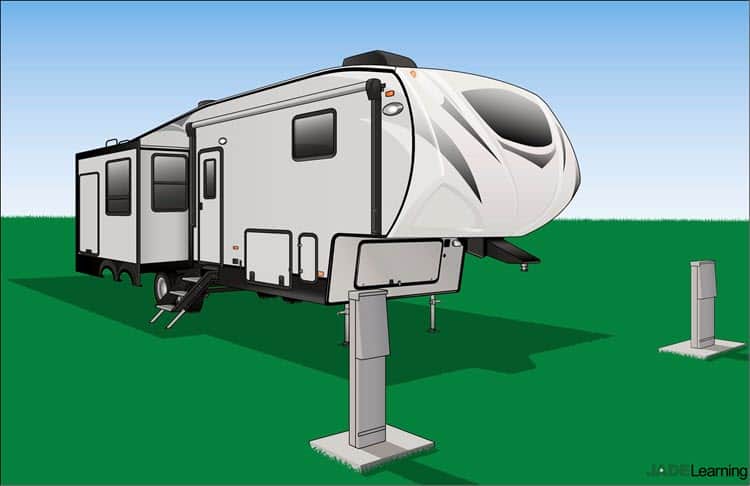
We are going to examine a TIA issued for the 2020 NEC regarding GFCI protection for recreational vehicle (RV) parks, covered in Article 551 of the NEC. The popularity of RVs continues to increase, especially during the pandemic. We also know that GFCI protection continues to be expanded with each successive code cycle. This TIA was published to clarify where protection is required in an RV park. Read more from our blog!
Jun 02, 2021
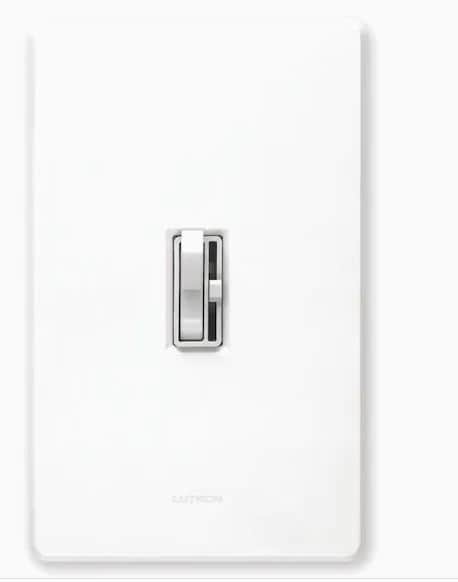
To reduce power consumption and keep the electric bill in check, many people install lighting dimmers. Let’s look into the difference in savings using dimmers in the past versus using dimmers today and then decide if they are still a money saver. Read more from our blog!