Nov 03, 2021
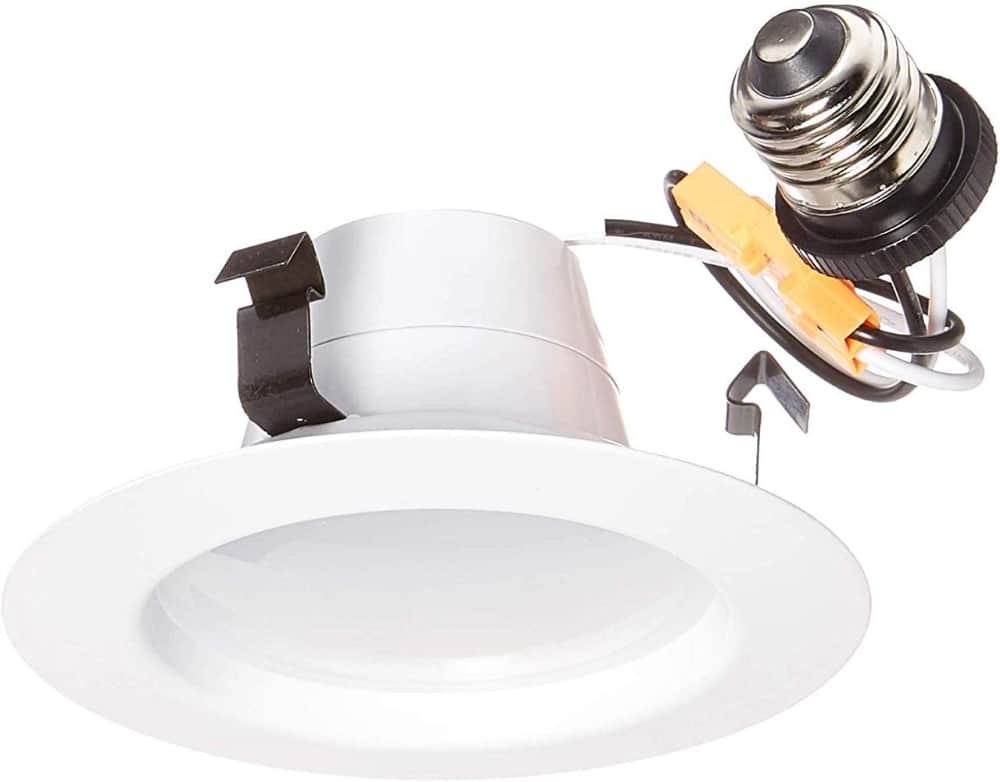
Lighting retrofit kits are immensely popular, due to the availability of high-efficiency lighting options that can reduce power consumption quite drastically. The 2020 edition of the National Electrical Code (NEC) has added a new Section to help us deal with these kits, Section 600.35. What are the important things for...
Oct 11, 2021
Per- and polyfluoroalkyl substances (PFAS) refers to a group of synthetic chemicals. There are over 4,700 compounds in this classification, and they are extensively used in the manufacturing of consumer goods due to their non-stick, water-repellant, fire-retardant, and fat-resistance qualities. Many of these substances are used in firefighting and in...
Oct 11, 2021
America’s water and wastewater infrastructure is old. Many of these systems have been in the ground close to 100 years. This infrastructure has provided reliable service for decades, so much so, that maintenance and replacement were rarely considered. Now, with systems beginning to fail, it’s apparent that these systems need...
Oct 11, 2021
During the pandemic, many alarm monitoring employees discovered they were essential workers because of the need to monitor countless alarm systems across the country. Like the rest of the world, alarm monitoring companies had to quickly shift to a new strategy, and many were able to successfully do so. Read more from our blog.
Oct 11, 2021
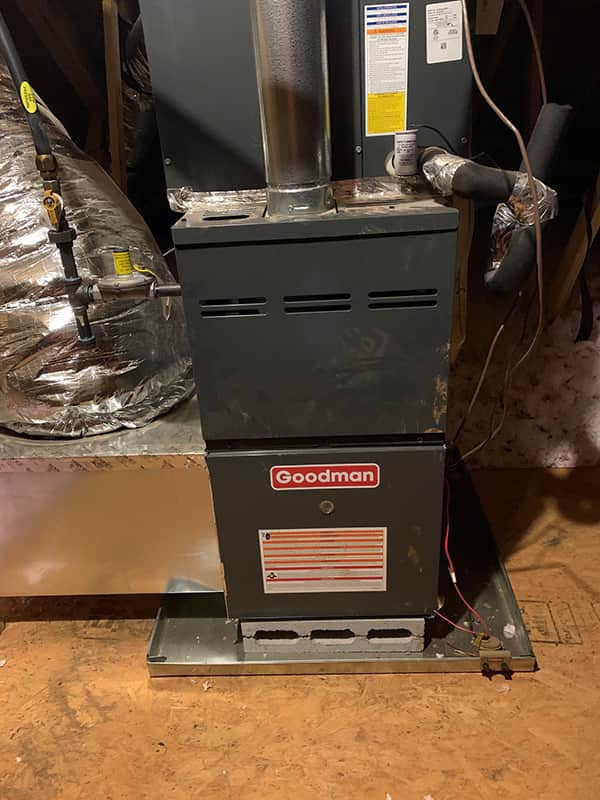
Career opportunities in HVAC and refrigeration are more diverse than many other trade-oriented professions. It is rarely impacted by bumps in the economy and as a result, many lucrative HVAC jobs exist that make rewarding careers. Beginning at the most entry-level position and working our way up, we discuss some of the HVAC career options in our blog.
Sep 16, 2021
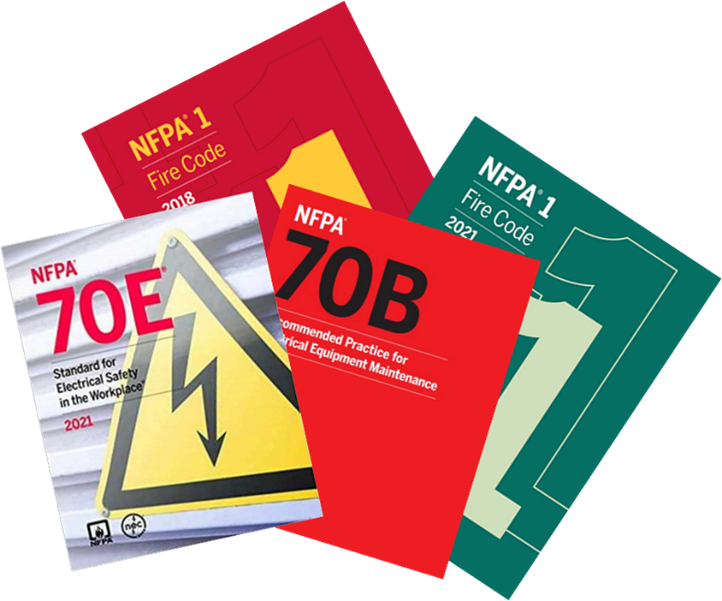
If I were to tell you the new NFPA 70E: Standard for Electrical Safety in the Workplace is available in both digital and hardcopy and includes new requirements for 2021 that are simply the bee’s knees, would you run out and get yourself a copy? Would you phone your friends...
Sep 02, 2021
Recently there has been a lot of news from the U.S. Department of Energy (DOE) about smart HVAC diagnostic tools. The DOE and several partners are collaborating to implement a program called The Residential HVAC Smart Diagnostic Tools Campaign. The goal is to promote tools that monitor equipment and give...
Aug 11, 2021
No matter how you look at it, licensing exams are hard. This is especially true of electrical licensing exams. During fiscal year 2020, only 28.7% of Texas electrical exam takers passed their exam.