Feb 04, 2020
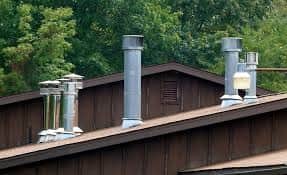
The combining of fuel, air and an ignition source creates combustion. This combustion process is utilized in furnaces and water heaters to heat air or water. Byproducts of combustion are carbon dioxide, water, occasionally carbon monoxide and other gases.
Feb 04, 2020
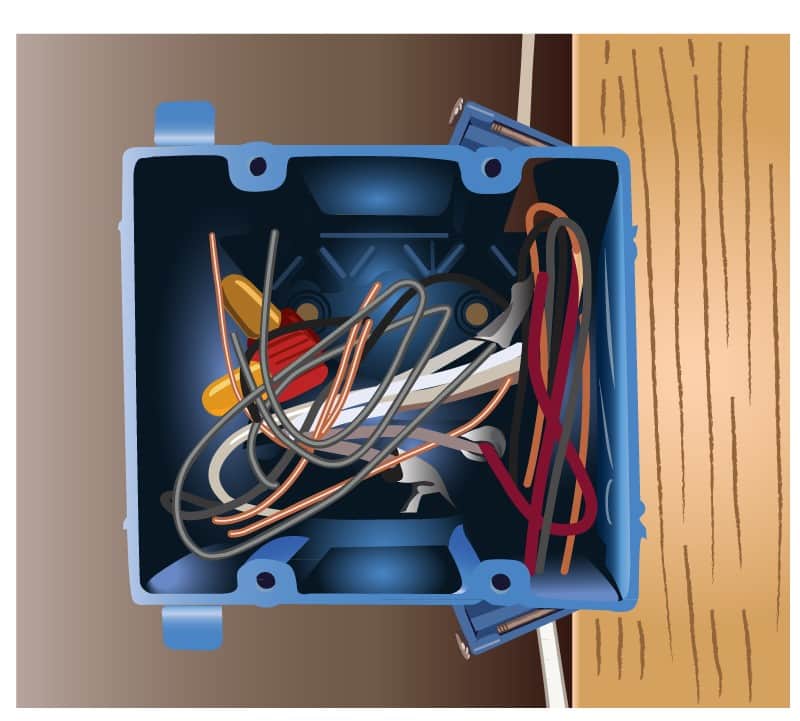
Can you do a box fill calculation at the jobsite? This is an important skill for installers and inspectors alike, since a box that is overfilled can cause a fault, arcing, or even a fire. But how do we determine if a box is overfilled in a real-world situation?
Feb 04, 2020
Recently while working as an electrical foreman I was able to pass fifty – yes, fifty!- electrical inspections in a row. I was a rock star to my crew, the GC and my employer. The crew respected me. I was keeping the project schedule on track. I was saving the company money in permitting fees and labor. I didn’t have to work an enormous amount of overtime, and I didn’t have to bring in bags of unmarked bills on inspection day. What I did is simply follow this basic procedure.
Feb 01, 2020
In order to work as an electrician in most states, you will need to get your electrical license. Here’s how to become a licensed electrician:
Jan 07, 2020
According to industry experts there are over 100,000 HVAC contractors currently doing business in the U.S. However, statistics show that 50% of small business startups fail within the first year and 95% fail within five years. Therefore, the 100,000 plus contractors successfully doing business have figured a thing or two out. Let’s look at some standard business practices of these HVAC companies that keep them profitable and out of the failure statistics.
Jan 07, 2020
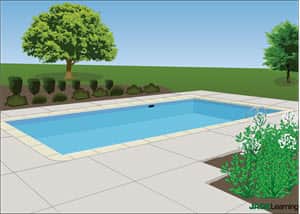
The 2020 Code Making Panel has introduced a new and unprecedented Code section for this 2020 Code cycle that may prove controversial once time allows this directive to play out. This new requirement found in Section 680.4 of the 2020 NEC allows the Authority Having Jurisdiction (AHJ) to return to a home or business for follow-up inspection(s) even after the swimming pool, fountain, or similar has passed final inspection, and the job is complete.
Jan 07, 2020
It seems like we just started using the 2017 National Electrical Code, and now the 2020 version is available. There have been significant changes, accomplished through public comment and hard work by the Code Making Panels and others. What are some of the important changes that will affect installers, electricians, and AHJ’s? We are eager to know what has been changed. Just as importantly, when can we reasonably expect that the new version of the Code will be adopted? Each state must decide when to move to the next edition of the NEC.
Dec 02, 2019
The mini-split heating and cooling system was an idea that evolved from the basic window air conditioner. Window units are simple installations that offer room by room temperature control if enough are installed. However, window units are noisy. To minimize noise, the window unit compressor was moved to a remote location using refrigerant lines to connect to the inside fan-coil. As a result, the mini-split system was born. This product first saw mass appeal in Asian markets. Today these systems are found throughout the world and has become a big player in the domestic HVAC market.