
A Guide to Home Energy Conservation
Published on August 6, 2026 by Staff Writer
Making your home more energy efficient is one of the smartest ways to lower your monthly utility bills and reduce your environmental footprint. For most families managing household expenses, power consumption can feel difficult to control when everyone is constantly using lights, electronics and appliances.
However, meaningful energy conservation doesn't require a total lifestyle overhaul or a massive renovation budget. By making a few targeted adjustments to how you heat, cool and maintain your living space, you can significantly reduce your energy usage while keeping your family perfectly comfortable.
Optimize Your Heating and Cooling
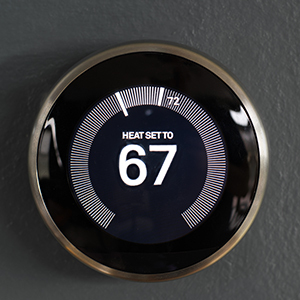
Heating and cooling systems typically account for nearly half of a home's total energy consumption. The easiest way to lower these costs is by managing your thermostat efficiently. During the winter, set your thermostat to 68 degrees when you are awake, and lower it when you sleep or leave the house.
In the summer, keeping your indoor temperature at 78 degrees helps minimize air conditioning costs. You can easily automate this process by installing a programmable or smart thermostat.
Maintenance is equally important for the efficiency of climate control. You should replace your furnace and air conditioning filters every three months to ensure maximum airflow and system performance. A clogged filter forces your HVAC system to work much harder to distribute air, which draws excess power and shortens the lifespan of your equipment.
Improve your Water Heating Efficiency
Water heating is the second largest energy expense for the average family. Most water heaters are set to 140 degrees by default, but lowering the temperature to 120 degrees provides plenty of hot water while preventing accidental scalding and saving significant energy.
You can also conserve hot water by installing low-flow showerheads and aerators on your kitchen and bathroom faucets. When doing laundry, you should wash full loads in cold water whenever possible, as heating the water accounts for the vast majority of a washing machine's energy use.
Upgrade Lighting and Manage Appliances
Switching out old incandescent light bulbs for LED alternatives is a fast and highly cost-effective upgrade. LEDs use a fraction of the electricity and rarely need replacing. You must also pay attention to the electronics in your home that consume power even when they are turned off.
Televisions, computers and gaming consoles constantly draw standby power. Plugging these devices into a smart power strip lets you cut off their power supply with a single switch.
When it's time to replace large household appliances like refrigerators or dishwashers, you should always look for the ENERGY STAR label. These certified appliances meet strict government energy-efficiency guidelines and will cost you much less to operate over their lifespan.
Weatherize Your Living Space
A significant amount of heated or cooled air escapes through tiny gaps around your doors and windows. You can easily stop these drafts by applying weatherstripping to door frames and using caulk to seal cracks around window sills.
Curtains and shades also play a major role in natural temperature control. Keep your blinds closed during hot summer afternoons to block out the harsh sun. During the winter, open the curtains on south-facing windows during the day to let natural sunlight warm your home, then close them at night to trap the heat inside.
The Broader Impact of Energy Conservation
While household habits make a big difference for families, energy efficiency is also a massive priority across major industries. The techniques used to minimize waste at home are mirrored on a much larger scale in the professional world. For example, comprehensive energy and utilities training equips power sector workers with the skills necessary to maintain a more efficient and reliable electrical grid.
Similar sustainability efforts are driven by industrial services training, which helps facility managers optimize heavy machinery maintenance and reduce hazardous waste. We also see large-scale fuel conservation resulting from modern transportation and logistics training as shipping companies work to optimize delivery routes and cut emissions.
Even local school districts are prioritizing conservation as modern education training programs focus on maintaining energy-efficient campuses for the next generation of students.
Fun Facts
- "Vampire power" from plugged-in but unused electronics accounts for up to 10% of an average household's monthly electricity bill
- LED light bulbs consume up to 90% less energy and last roughly 25 times longer than traditional incandescent bulbs
- Lowering your thermostat by just seven to ten degrees for eight hours a day can save you up to 10% on your annual heating and cooling costs
- Ceiling fans cool people rather than rooms, so leaving a fan running in an empty space wastes electricity without lowering the actual temperature
- Washing your clothes in cold water can save you over $60 a year in water heating costs alone
Resources to Learn More
- Department of Energy: Energy Saver Guide
- Saving Electricity on Appliances and Electronics
- EPA: Energy and the Environment
- ENERGY STAR: Ways to Save Energy at Home
- EIA: Energy Use in Homes
- USA: Home weatherization and energy efficiency assistance
- Texas State University: Energy Conservation tips and tricks
- Using Water Efficiently
- ETA: Energy and economic impacts of U.S. federal energy and water conservation standards
- IRS: Energy Efficient Home Improvement Credit
- Department of Transportation: Coordinating DOE Home Energy Rebates with Energy-Efficient Home Improvement Tax Credits
- Simple tips to save energy and money
- FTC: How To Save Money on Heating and Cooling Your Home
- Pump Up Your Savings with Heat Pumps
- Home Energy Checklist